Austin bat lovers!! Buy a coffee, save a bat!
How can enjoying a lavender vanilla latte help our local Austin bats? Hankering for a chai almond milk latte or a double espresso and a cinnamon muffin? Revival Coffee on E 7th supports three local charities every quarter. When you purchase anything at the counter from a coffee drink to a beer to a pastry, they give you a little ticket. You then can choose a charity jar to which you can add your ticket. This quarter Austin Bat Refuge is offered as one of the local charities. At the end of the quarter, the charity with the most tickets receives a percentage donation from Revival coffee. What an awesome way to advocate for Austin’s many organizations and what an easy way for you to go down, grab a delicious drink and support Austin’s bats and the amazing people that dedicate themselves to educating the community about how incredible and important bats are to the world!
Sometimes it is the simplest things that can help bats in your community!
Revival Coffee, 1405 E 7th
https://www.revivaltexas.com/
Fear As a Crutch – Is This How We Solve Wildlife Problems?
So something scared you as a child. Do you hold on to that fear and use it throughout your life, “as a barier to knowing and feeling; as an all-purpose defense against claims on conscience”?
Or say an undesirable animal is is on your property; maybe it recently appeared, maybe you inadvertantly invited it and it’s friends to move in, maybe it was there all along for generations. How do you handle it? Do you decide to “defend your family” and resort to fear-based cruelty to kill them off?
Are wildlife around your home a threat that needs to be terminated immediately to protect your livestock and family?
Or is wildlife on your property (city or country) a reminder that we are a part of the natural world, not the owners of it?
Can we re-learn the forgotten art of co-existence?
If there’s not enough space to coexist, shouldn’t we simply (and more safely for all) just move them on to another location where their presence is not problematic?
Is it our ancient inbred fight or flight response that prevents us from seeing wildlife as the wonderous product of millions of years of evolution?
Is killing to assert our property rights the best response, and is it really necessary in this day and age?
Do “property rights” automatically include the right to kill any animal that is encountered on that property? Or do “life rights” have any weight in preventing needless killing based only on cruelty and fear?
Is an overly dramatic reaction to exagerated wildlife fears an valid reason to put up that barier to knowing and feeling; an all-purpose defense against claims on conscience?
We see this dramatic reaction in almost every bat presentation, and many of the audience never allow themselves to overcome it.
We struggle to find ways to reach the perpetrators of this fear-based cruelty.
The quoted text in the first line is from Leonard Pitts, a columnist for the Miami Herald, in his editorial titled “Reduced to Punchlines – The Last Great Death of a Culture”, in which he describes Manifest Destiny’s solution to the “Indian Problem”, and the tragedy of The Trail of Tears. The death of an entire people and culture is an uspeakable tragedy. Manifest Destiny always included the slaughter of wildlife, either to solve the “problem” of native Americans who depended on it to survive, or to make N. America safe for livestock and families. Will it be the basis of destroying the world’s wildlife as well?
This policy will become our legacy as we head toward the Sixth Great Extinction.
Cypress Creek Bridge
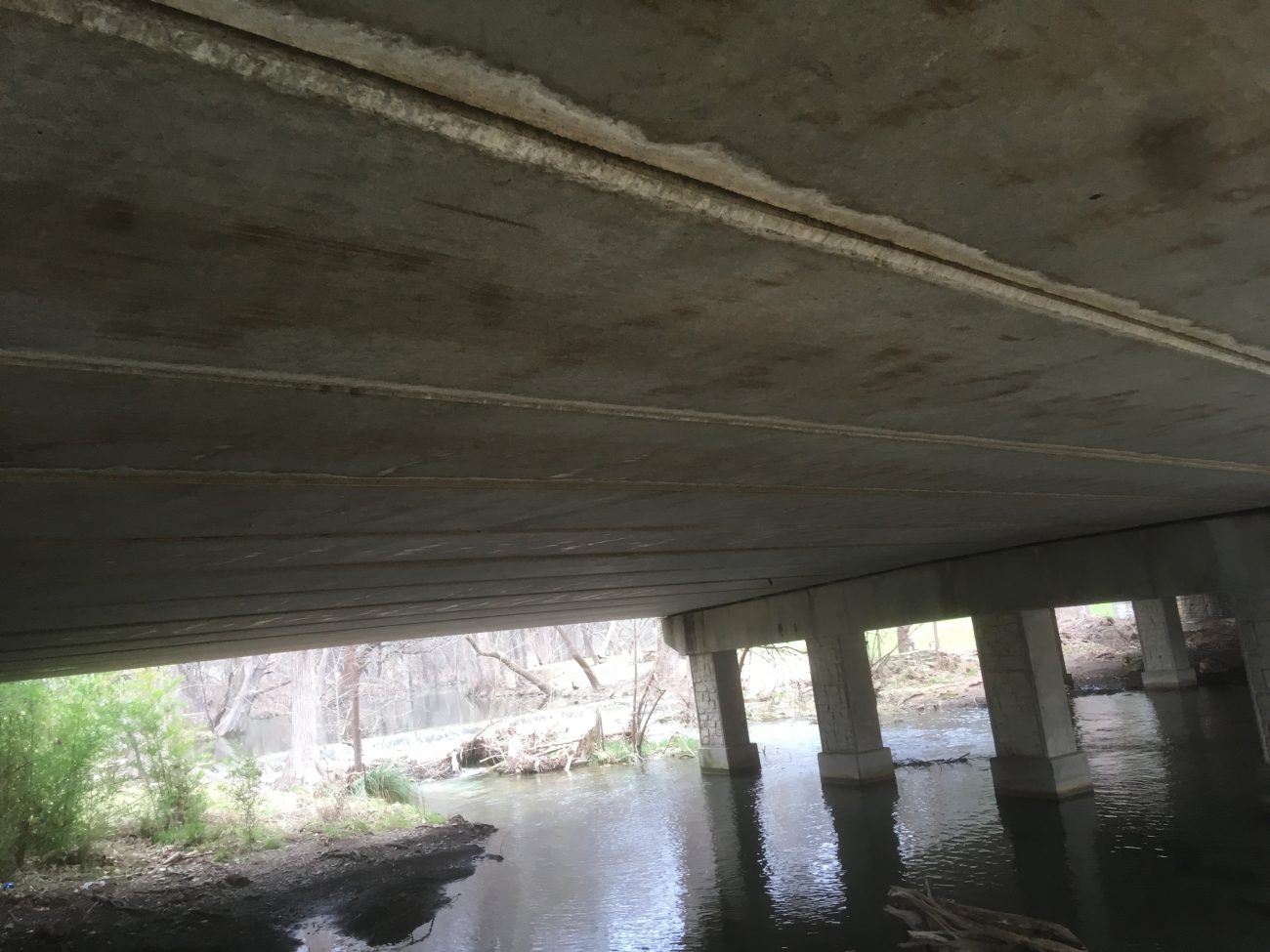
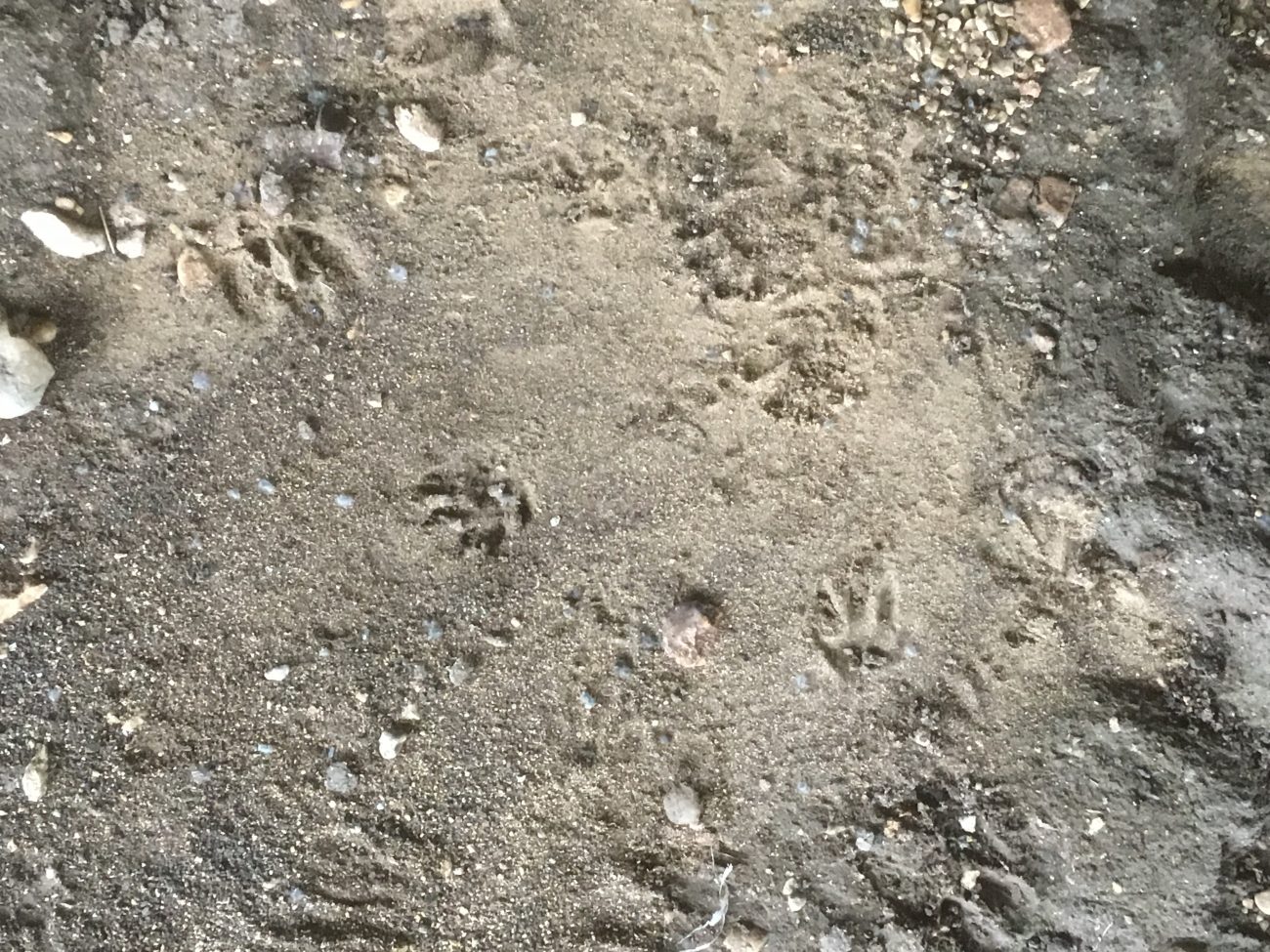
Went to Wimberley to meet a TPWD biologist and assist in swabbing for Pd. She cancelled due to having run into a nest of seed ticks earlier in the day – Bummer! But what a beautiful roost! These bats have chosen a sweet spot to over-winter. The bridge spans a crystal clear creek that whispers through the cypress roots as it flows from Blue Hole down toward the Blanco. Hopefully they will be spared the regular spring flooding of the Blanco by roosting a half mile up a tributary to that magnificent and wild river.
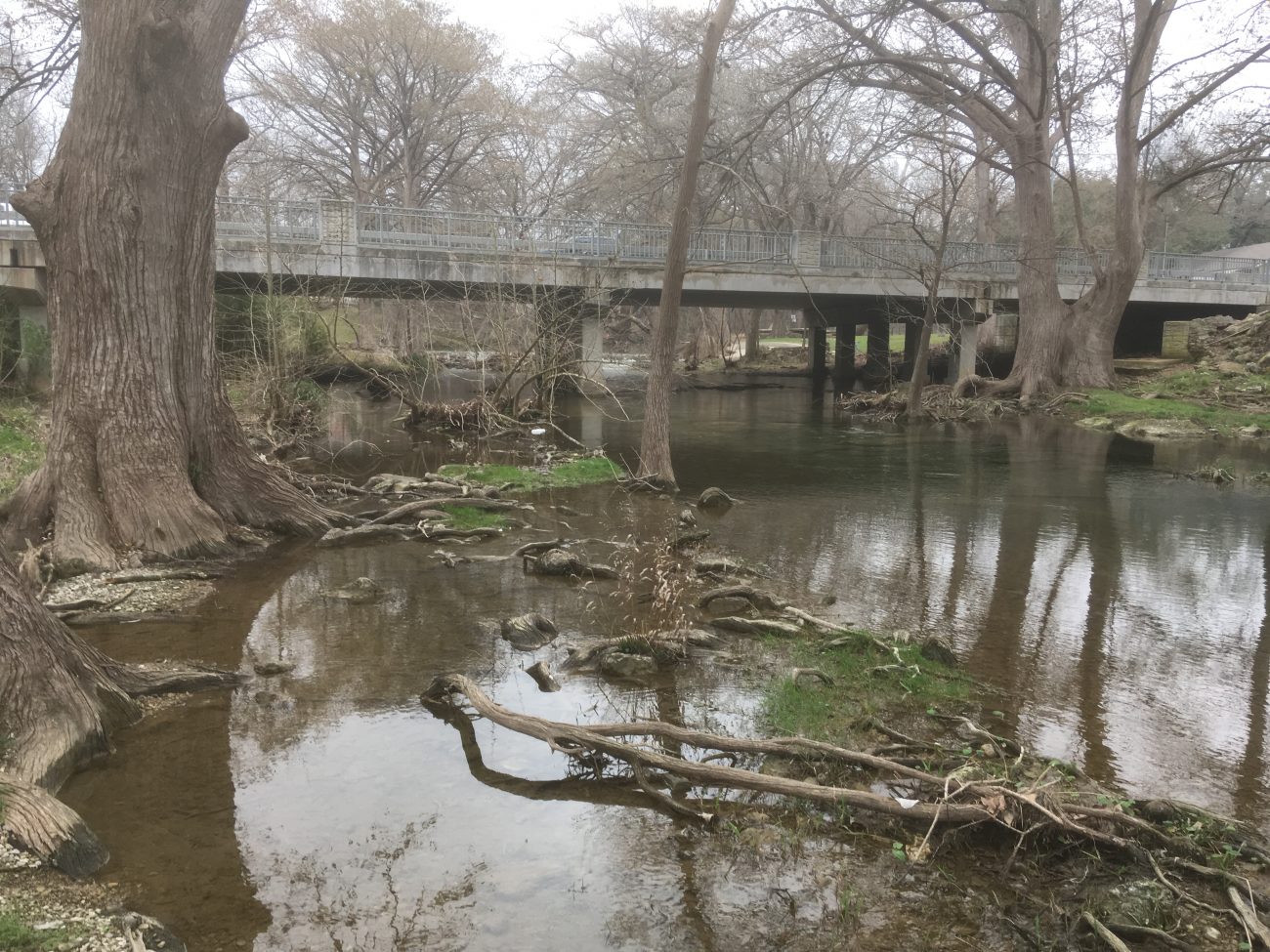

Some of the more than 100,000 Tadarida brasiliensis over-wintering here
Klug Familiy Visit
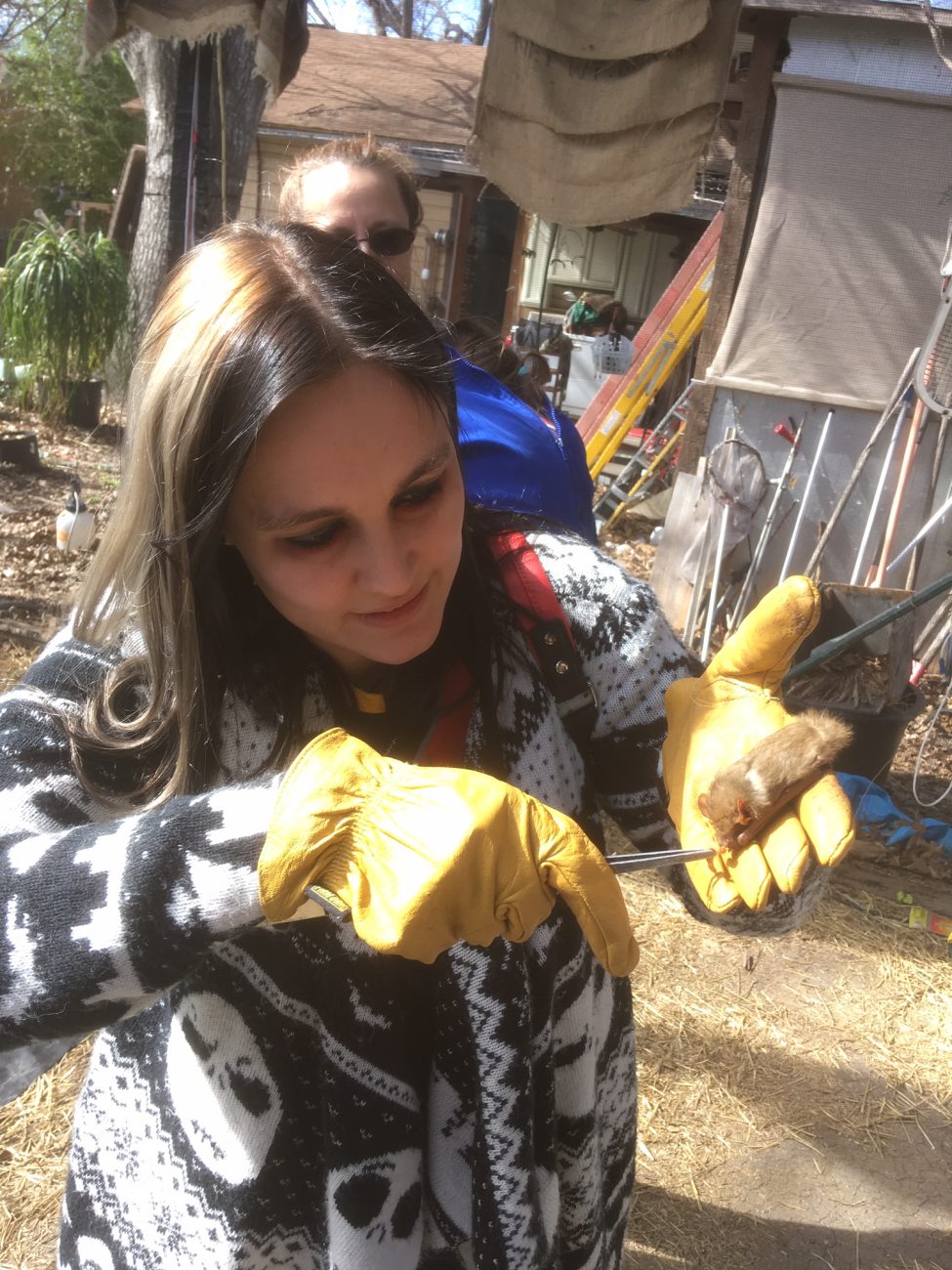
Great visit with sustaining supporter Morgan Klug, who trecked all the way from Las Vegas, Nevada to visit the refuge. Morgan brought her sister Audrey (who is a vet tech in Vegas) and Audrey’s delightful four year old daughter Kaylee. Their proud mum Tracey accompanied them and mostly took care of Kaylee while her daughters geeked out on bats! They both donned gloves and hand fed our education bats while we closely supervised. They seemed to really love the opportunity to get up close and personal with Buffy, Star, and Asia. Below Audrey is feeding Asia while Kaylee is snuggling into Tracey’s jacket. Thanks so much for coming y’all and for being such great supporters!
Texas Memorial Museum
We had a blast at Texas Nature Days at The Texas Memorial Museum! Thanks for the invite Pam!
It is so much fun to see how excited the children are to see bats up close and personal.
Their little faces are so bright and shiny and full of love; it’s a real priviledge to introduce them to some of our bat ambassadors.
And we loved seeing old friends at the Texas Master Naturalists tables and meeting new friends among them too!
Insert photos here. We never think to take any! Anybody get some good ones?
We’re always happy to help out The Texas Memorial Museum. Their funding was pulled in 2015 and it was touch and go whether or not they’d survive, but thanks to events like this, put together by Pamela Owen, it’s still providing wonderful education opportunities for Texans of all ages.
Here’s a thank you email from Pam the day after the event:
Hello, All:
Saturday’s attendance as a whopping 1697 visitors for the day! This grand total exceeds the 1393 visitors on the inaugural TWD in 2015. During the 10 am to 4 pm activity period, Texas Master Naturalists and UT Austin Entomology interacted with 1520 visitors. Austin Bat Refuge – your 11 am to 1:30 pm activity period was 643 visitors.
Thank you for continuing to help make Texas Wildlife Day such an enjoyable event for the community. The majority of our visitors were first-timers to TMM. We accomplished so much with a team effort, and most especially because of your expertise, enthusiasm, and your valuable volunteer time. With your help TMM continues to offer unique educational and enjoyable experiences for all ages. I am hopeful that I will be working with each of you at Texas Wildlife Day 2020!
Please forward this message to others on your team for whom I do not have an email address.
With gratitude,
Pamela
~~~~~~~~~~~~~~~~~~~~~~~~~~~~~~~
Pamela R. Owen, Ph.D.
Associate Director
Texas Memorial Museum
The University of Texas at Austin
Tel. 512-232-5511
Email: [email protected]
Mailing Address:
Texas Memorial Museum
2400 Trinity St. Stop D1500
Austin, TX 78712-1621
UT Tower Call
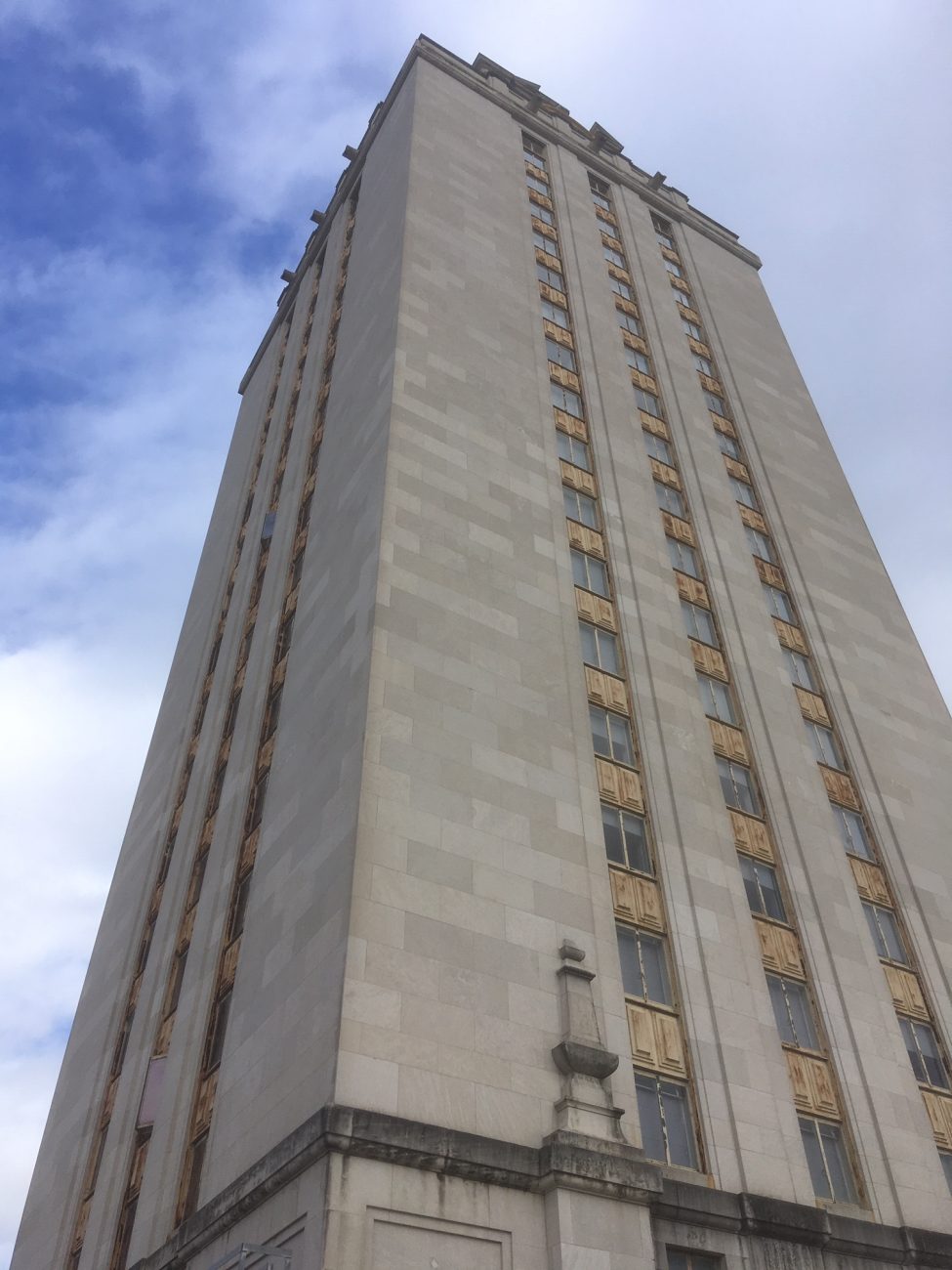
When the call came in to rescue bats in the University of Texas tower, we were super pumped up!
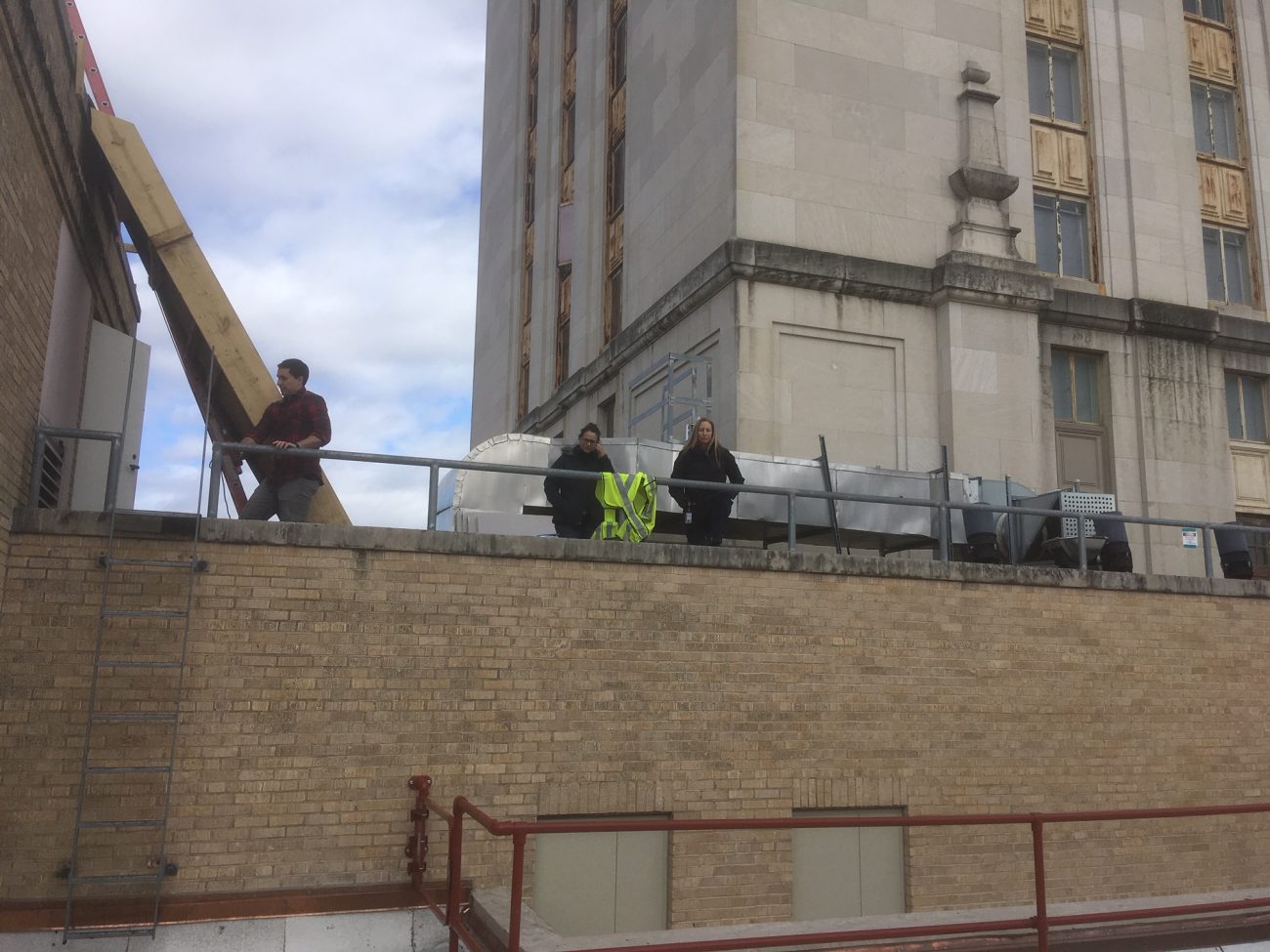
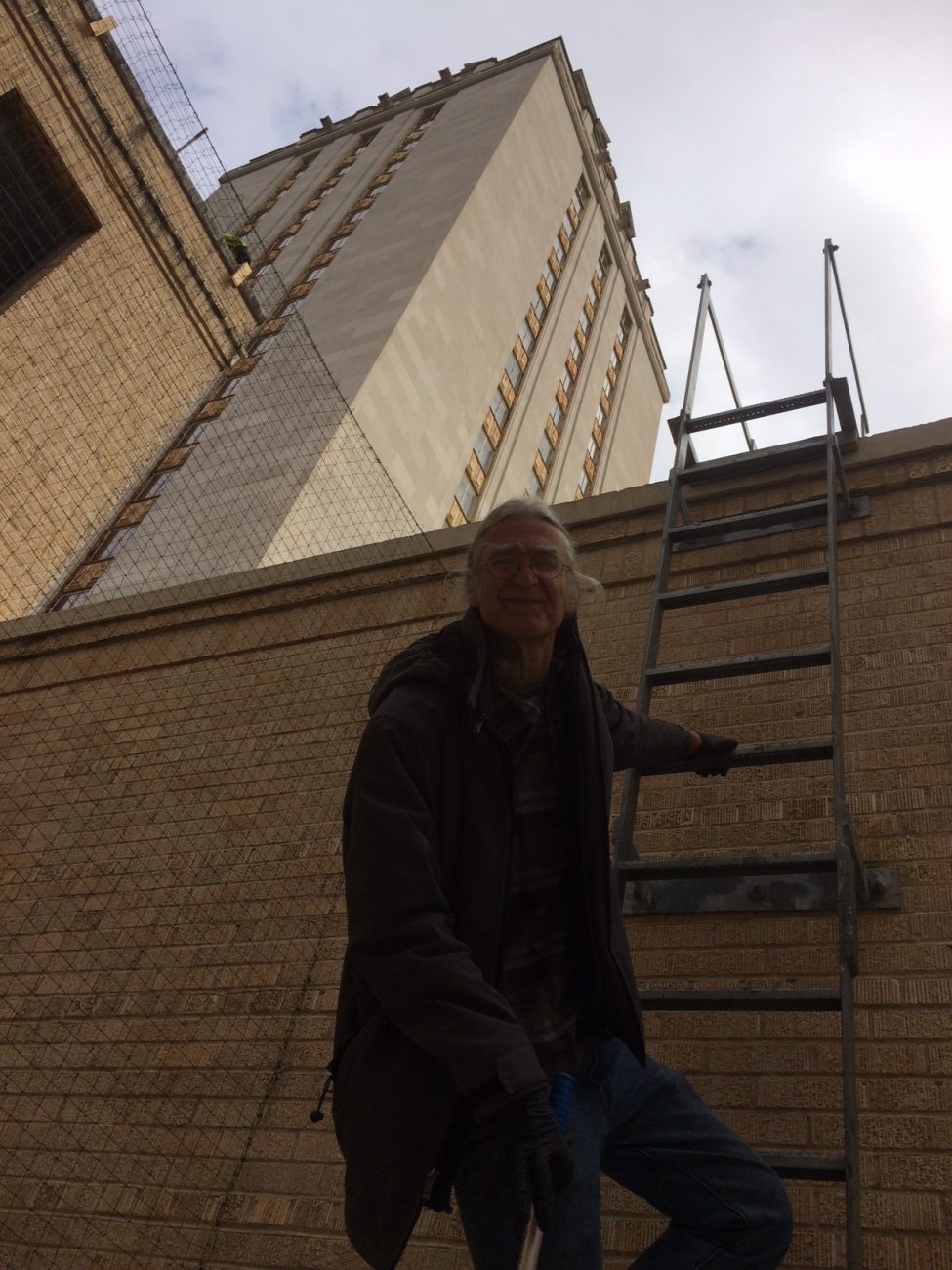
Carin Peterson, head of UT Animal Make-Safe, had notified us there may be many hundreds of bats trapped behind newly installed pigeon netting on the roof. So we geared up for rescue, readying a dozen habitats to house cold bats in torpor, with the hopes that we could relocate them to safer locations.
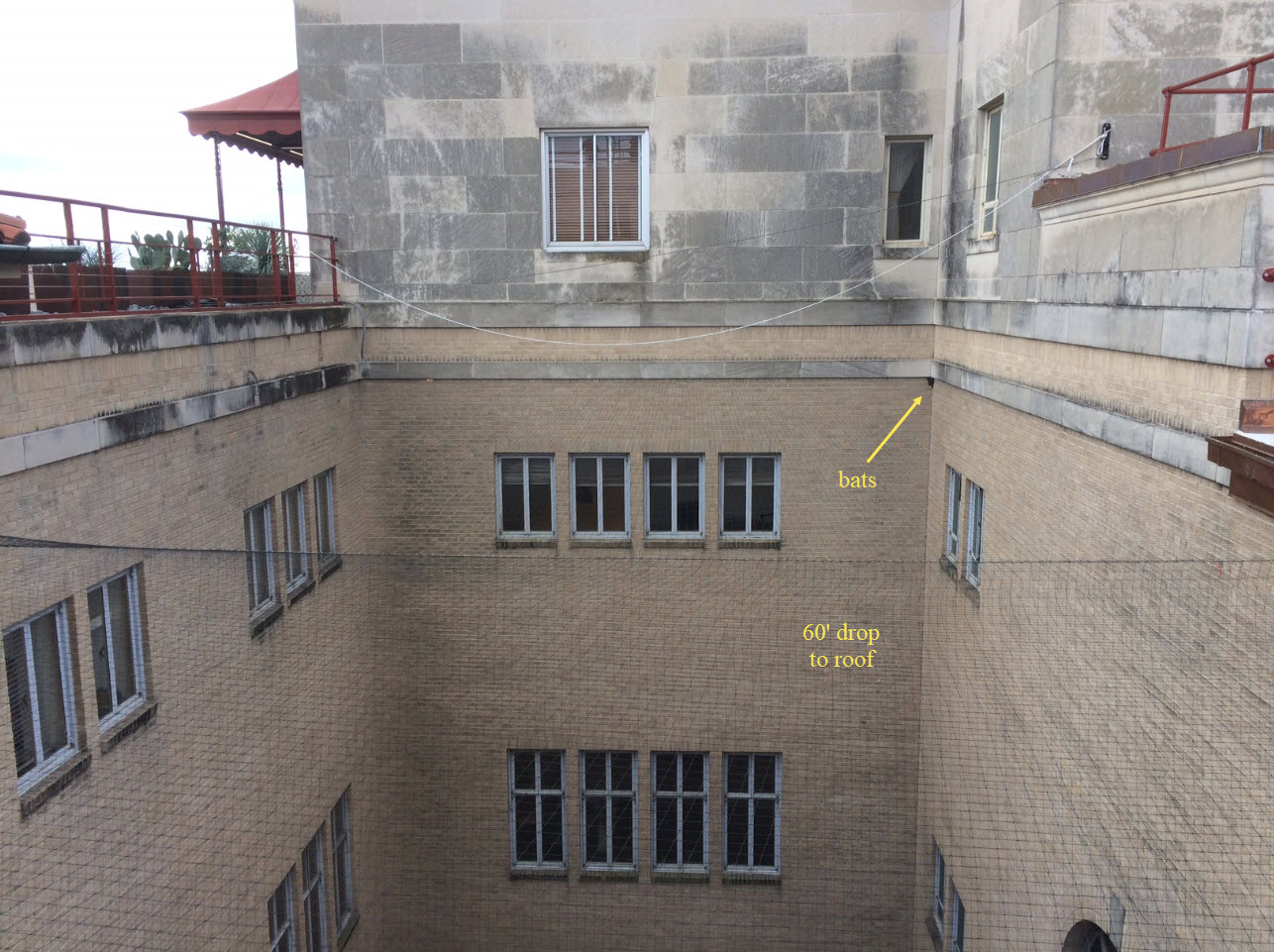
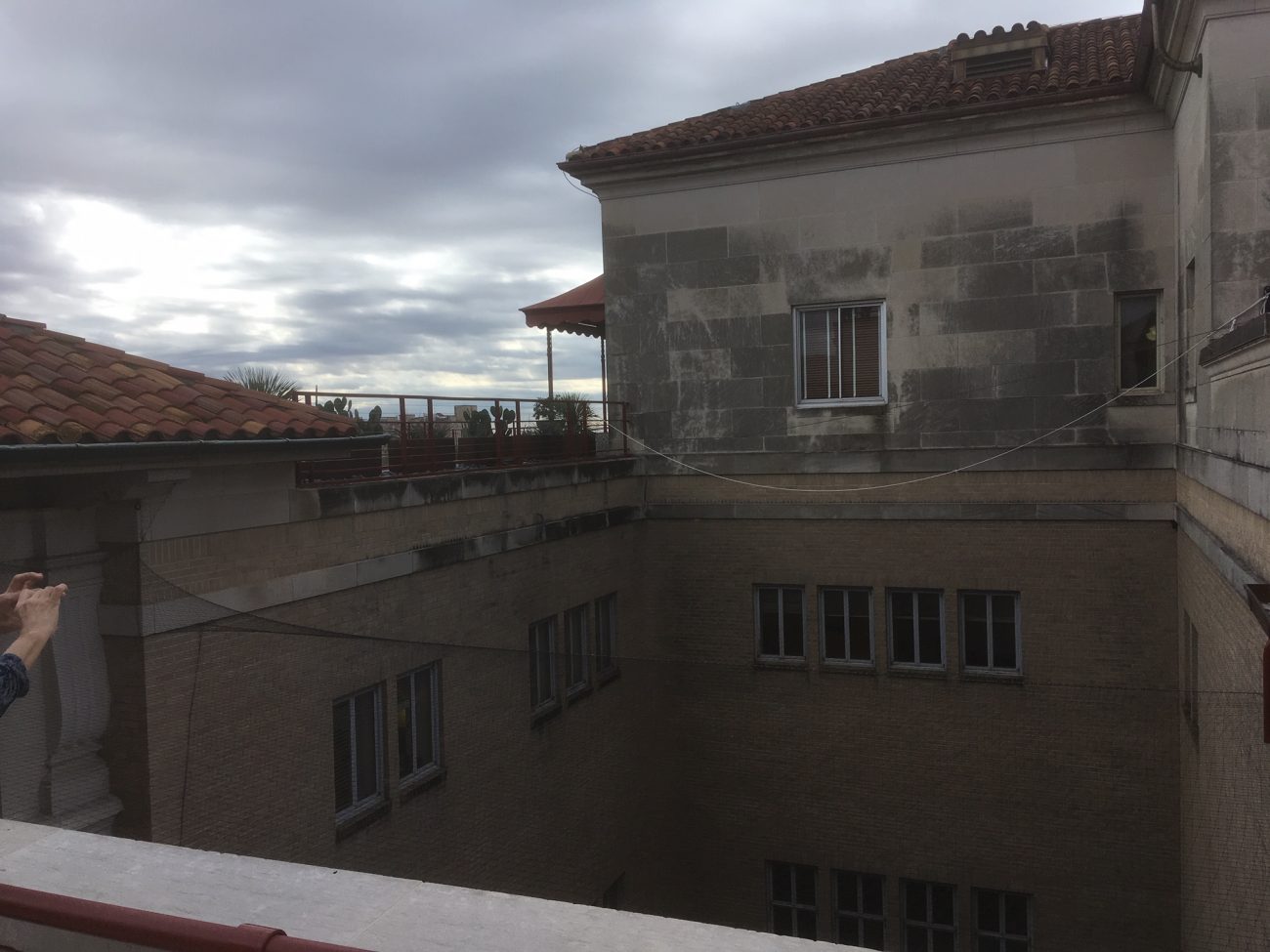
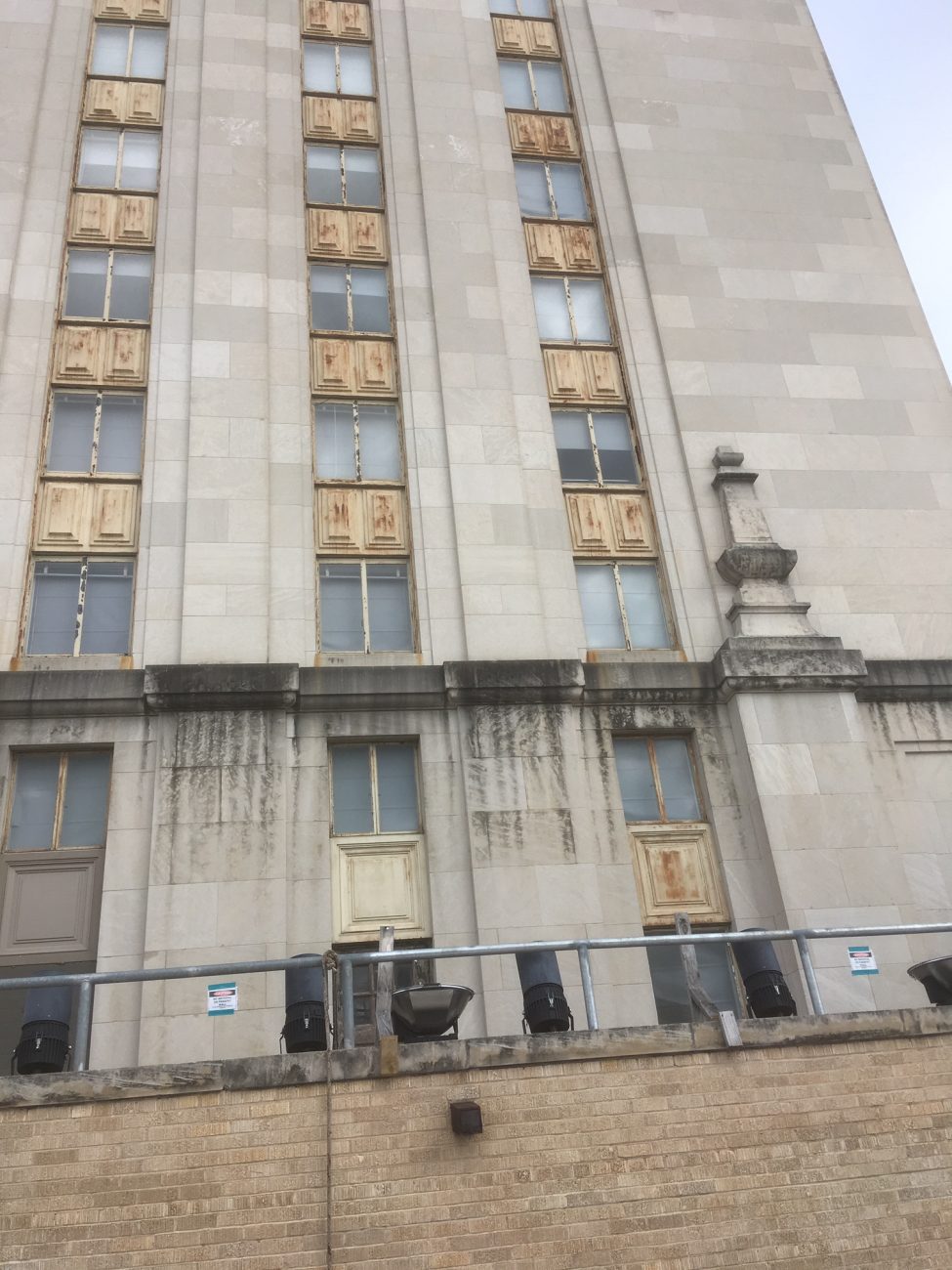
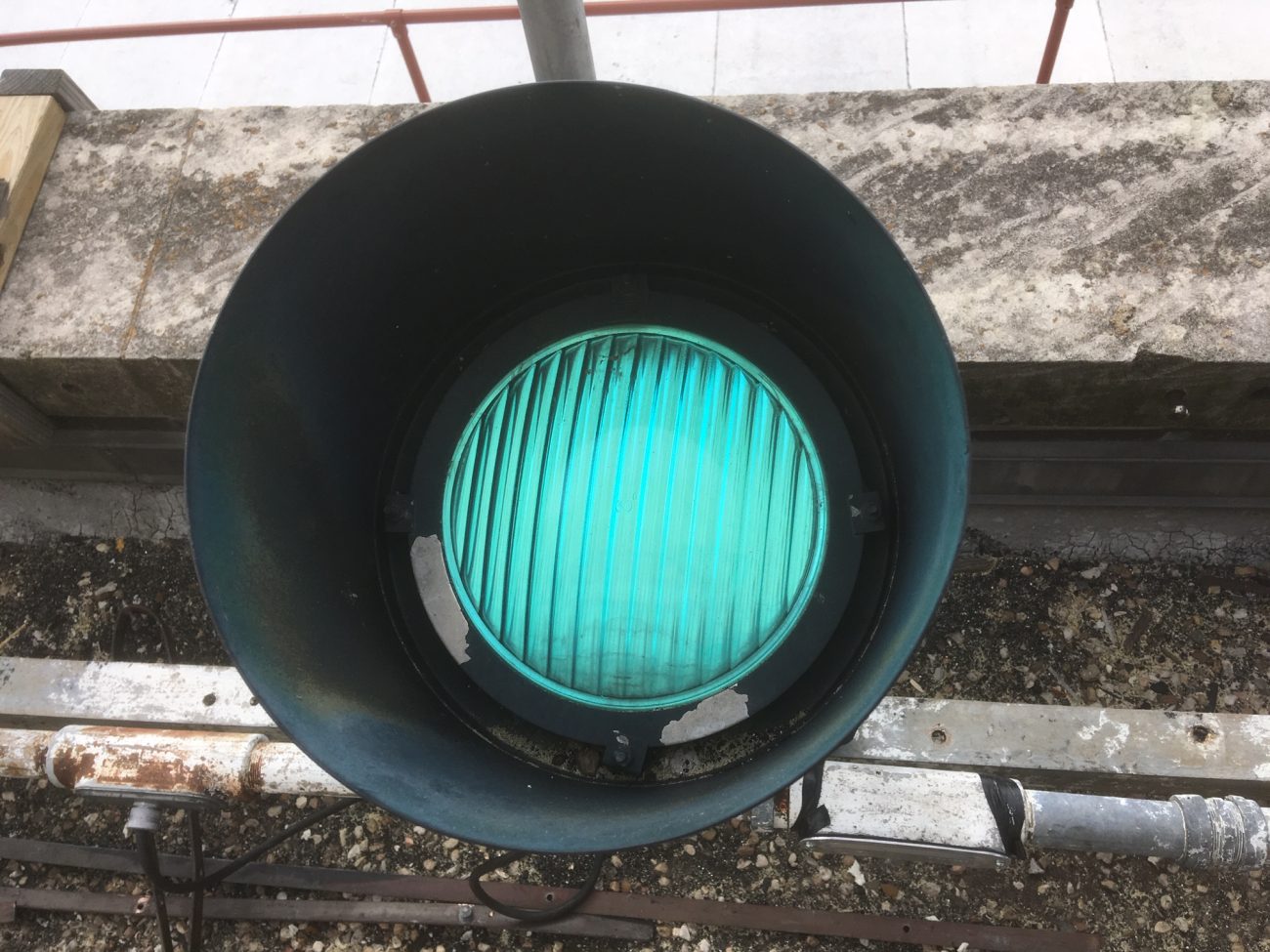
We met Carin, along with Anthony and Kurt with the construction company doing the renovations, and headed up the heavily-secured elevators toward the top of the tower. Curt called for a construction break as we traversed the rooftop (omg BATS and bat people!) and climbed down ladders to other roof surfaces. We were disappointed to find that the bats were not in the top of the tower (that apparently is reserved for the resident Peregrine falcon featured in the UT Tower FalconCam) but were around the roof decks below, where two courtyards topped out near the president’s veranda. We did get to see the lights that light the tower orange after big wins, they are strangely green when off. They white lights that light the tower attract lots of insects and are likely why the bats are there in the first place.
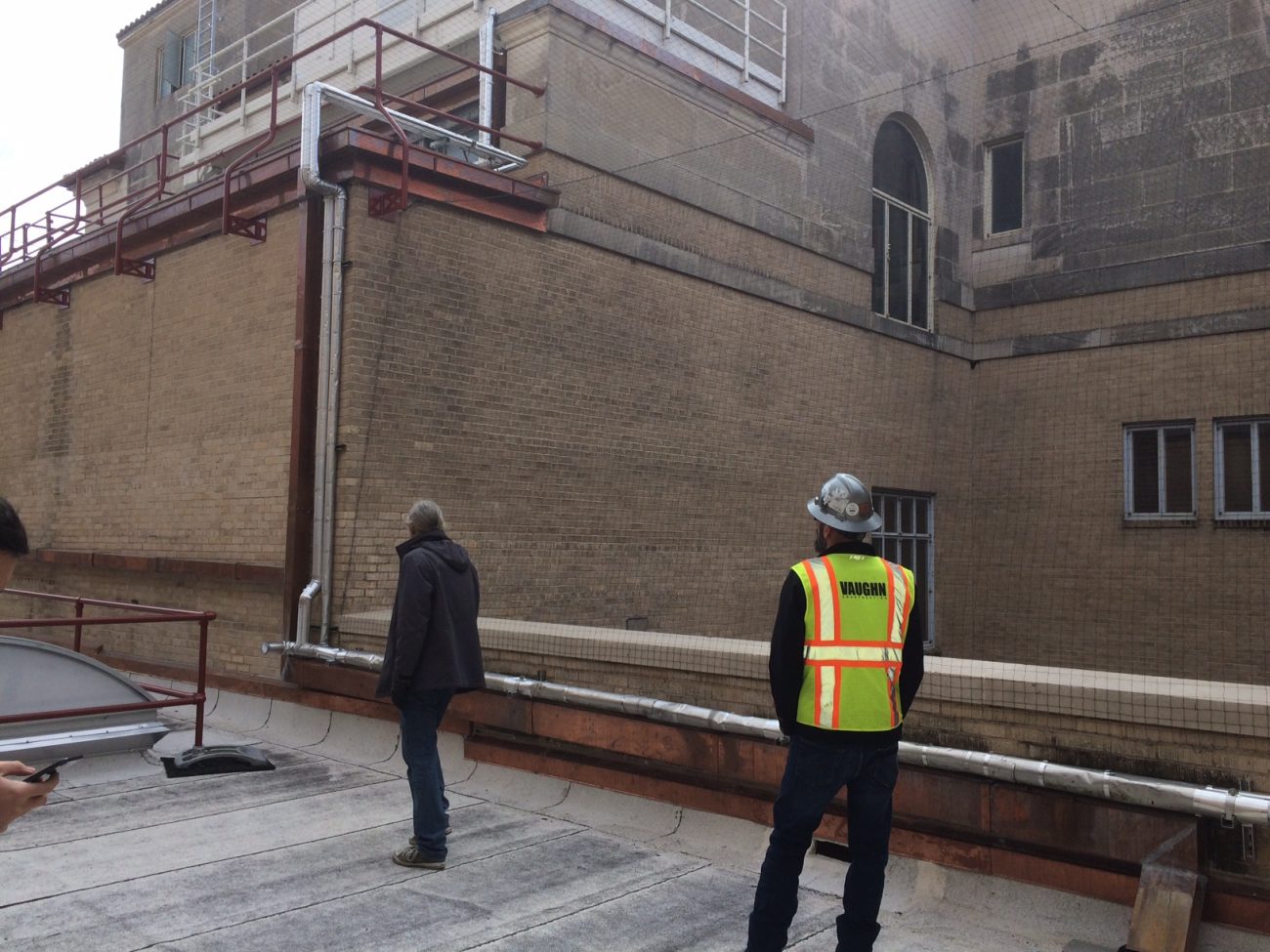
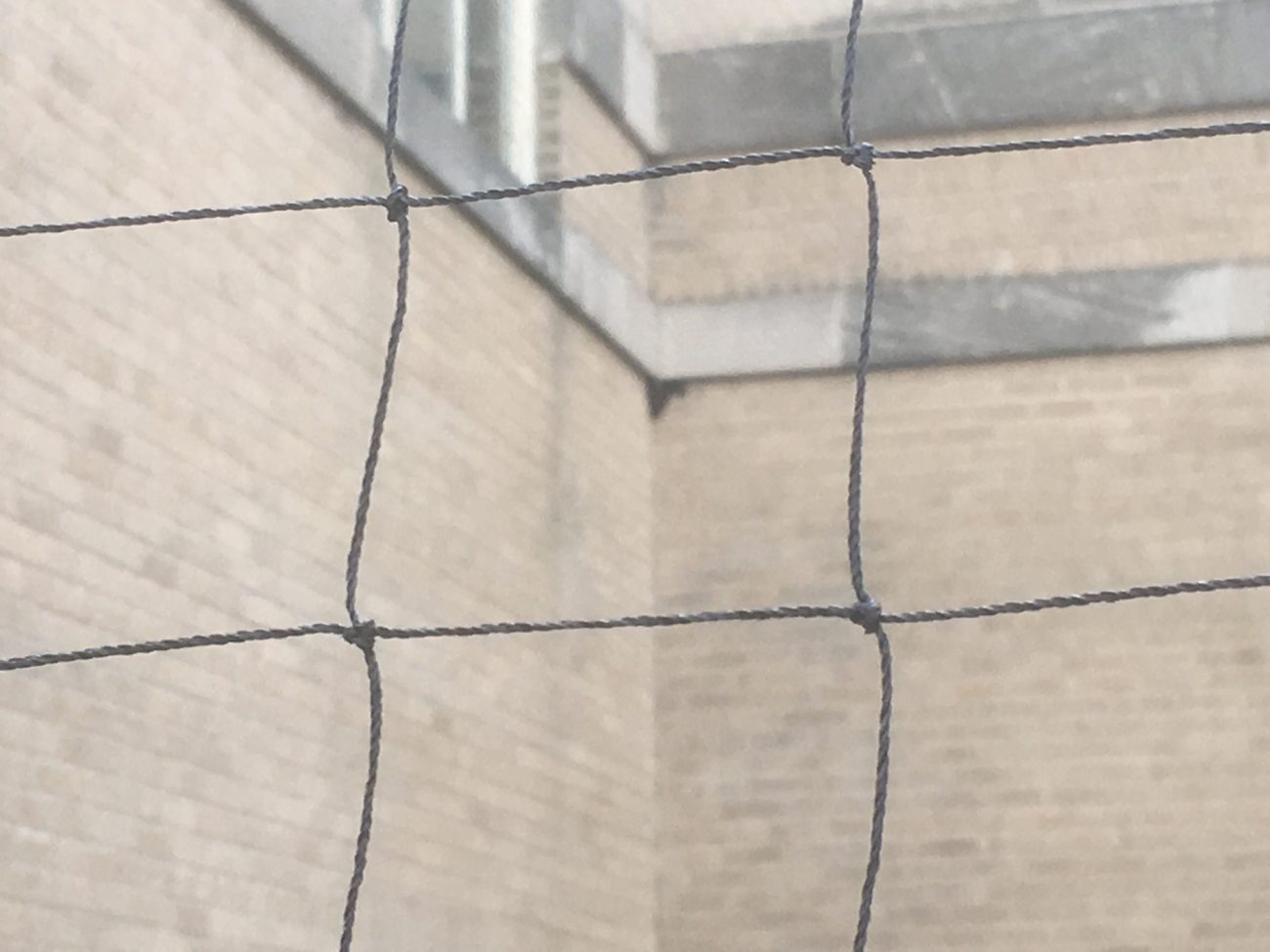
The casement windows of offices which faced the courtyards radiate heat which flows up five or six stories and provides a warm area, sheltered from cold winds, for bats to overwinter. The netting was installed a few months ago to prevent pigeons from residing in the courtyard (where office workers had been feeding them) and the bats showed up just three weeks before out visit. It seems the bats recognized that this netted area was not only warm, but now, additionally, provided safety from predatory birds. The 2″ x 2″netting is the type used for baseball batting (bats!) cages, rated for 300 lbs and taughtly strung across the tops of the courtyards and down between adjoining vertical openings to the roof deck. The netting itself is quite expensive (a small section alone was $5,000) and the scaffolding required to install and or modify it likely cost about as much as the netting.
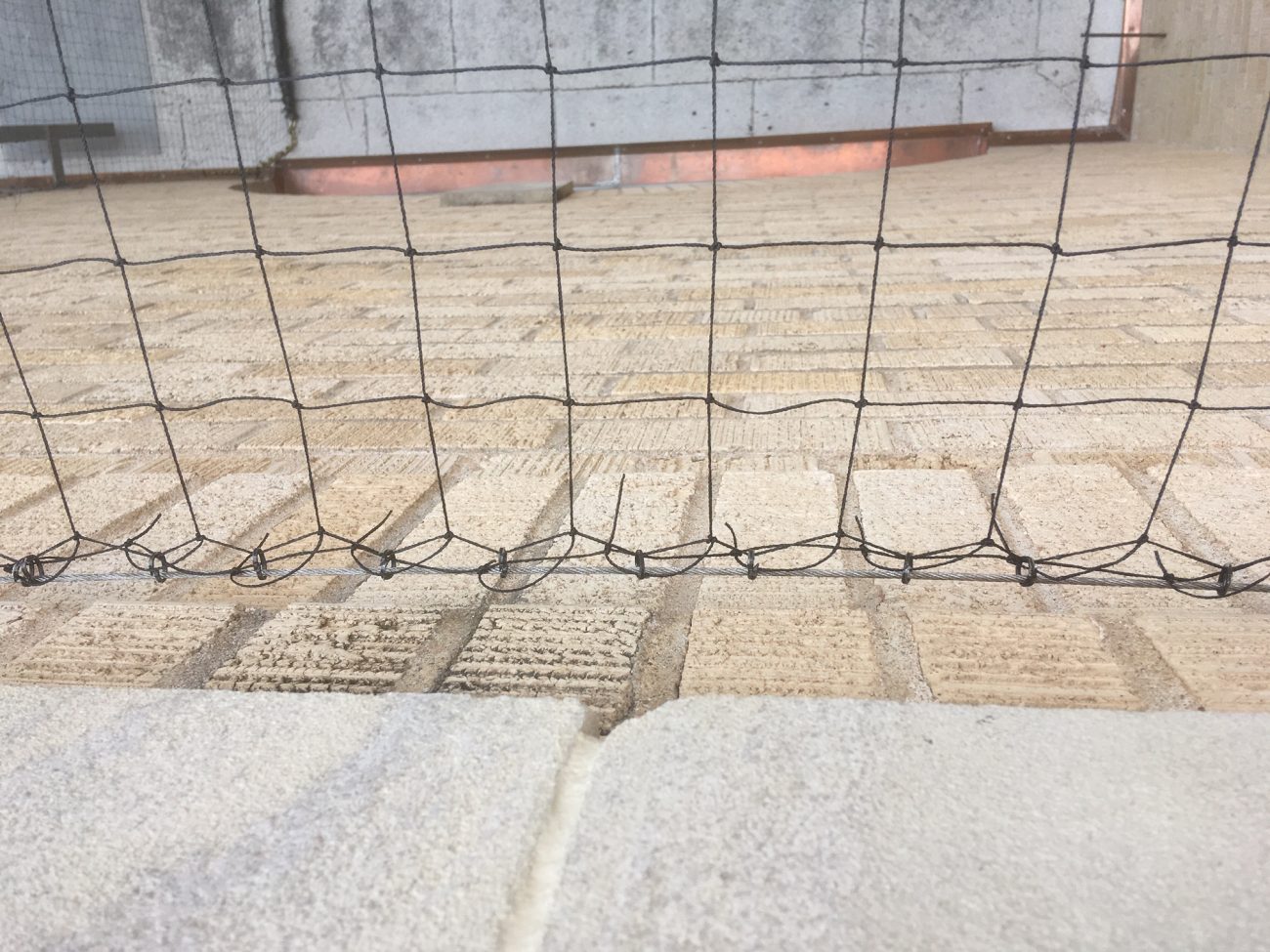
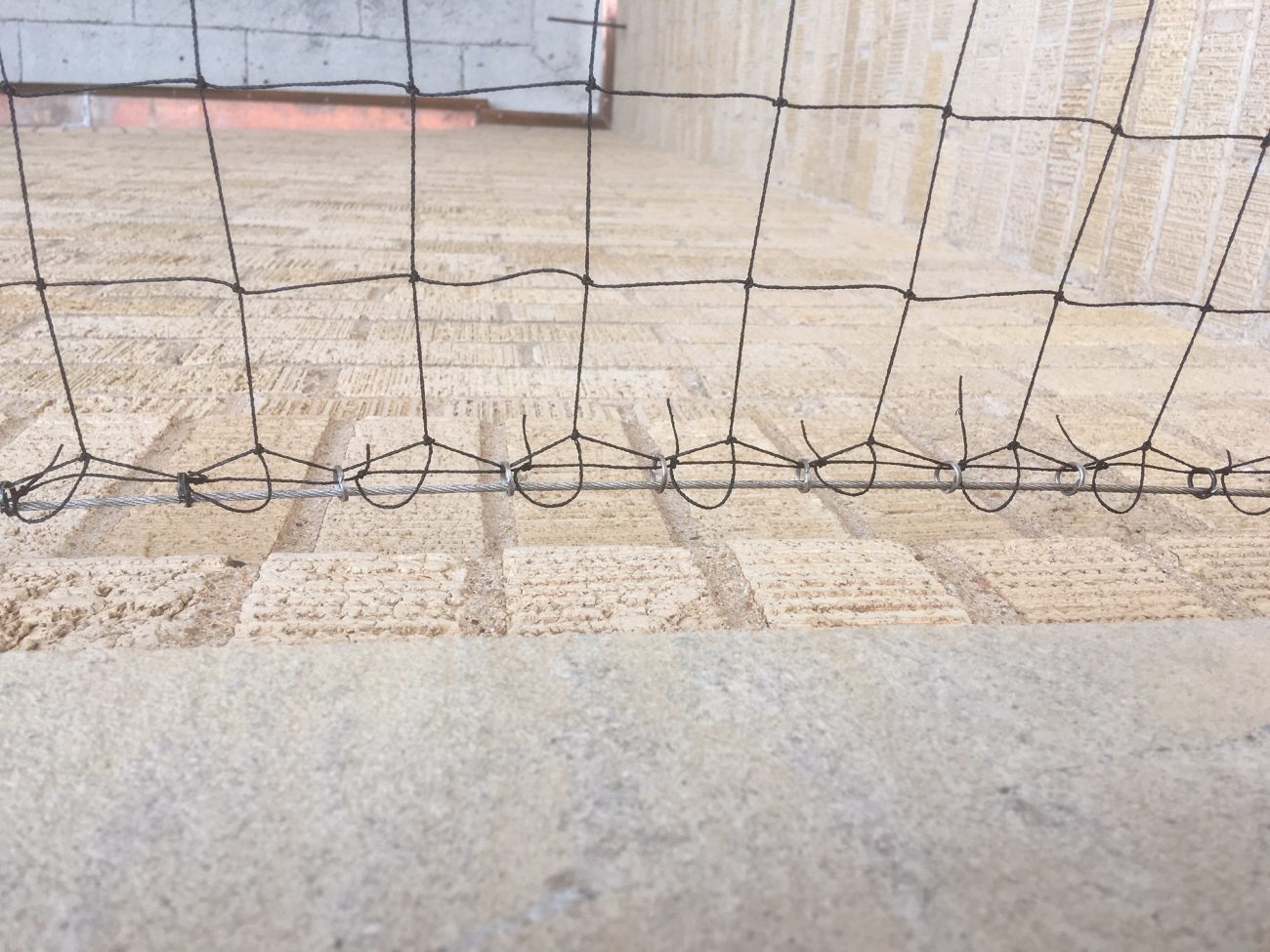
The concern is that bats may have become trapped under the netting with no way to get out. Close inspection seemed to indicate the bats could crawl up the wall surfaces under the stainless steel guy wires that hold the edges of the netting, thus coming and going at will to their new home. The installation was quite good, but there are a number of areas where bats can get through the sides. If bats are entering through the top of the 2×2 mesh, the gaps at the side may be the only way the can get out to feed. Even though bats can easily fly up to hang from the top of netting, we don’t feel that they could crawl or pull their way up throught the 2×2 mesh. A normal bat exclusion allows bats to drop down exclusion tubes to leave a roost, but prevents them from flying back up and in. Any potential exclusion here would be upside down, requiring bats to exit vertically up and prevent them from dropping back down in. Interesting!
Our visit found small clusters of bats in areas out of our reach, so no big bat rescues on this day! Curt said that the bats seem to come and go,as he notices them in varying numbers and locations from day to day. Since we have observed bridge bats surviving up to three weeks of 20F temperatures before surging out again once evening temperatures moderate, we asked Curt to inspect the roof deck below daily to make sure there is no “fallout”, our term for when cold-stunned bats just can’t take it anymore and drop from the bridges. In our experience, they are generally ok when this happens, they simply need to be warmed up, rehydrated, fed, and then can be released.
So inspections in the coming days, should tell us if the bats are ok in this location or if we somehow need to remove them and replace the expensive netting. We feel that smaller mesh netting should have been deployed and efforts made to seal the edges to prevent bat entry. But coexisting with bats may require livng with the newly installed netting, harvesting guano as if collects on roof decks below, and reinstalling the window screens on the casement windows facing the courtyards. If those screens have been lost, then new ones could be ordered and installed using magnetic strips that hold them tight to the metal window frames, preventing any bats from getting in trouble accidentally entering any of the offices.
We remain ready to help in any way possible to promote bat/human co-existence. And who knows, maybe the UT president can wine and dine big donors by hosting bat emergence events on his rooftop veranda! Could be a win, win, win situation; bats, humans, and UT sports!



Thank you Robin!
Austin Bat Refuge would like to recognize Robin Holt, a founding board member, for her exemplary service as her two-year term expires.
Robin answered the call when we needed her, literally. When we called, she responded, “Well I’m vacationing in France at the moment, but I’ll come back to Austin right now if you need me.”
What dedication! Thank you, Robin, for taking time out of you’re busy life to help get ABR off on the right foot.
ABR extends its gratitude, as Robin cycles off the board, and we hope to stay in touch long into the future.
A night in the day of a bat worker
One of the blessings of bat rehab in Central Texas is that there are many warm nights when bats will become active. This gives us an opportunity to work with our rehabilitating bats and not simply feed them night after night when they are brought into the heated bat shack to escape the cold.
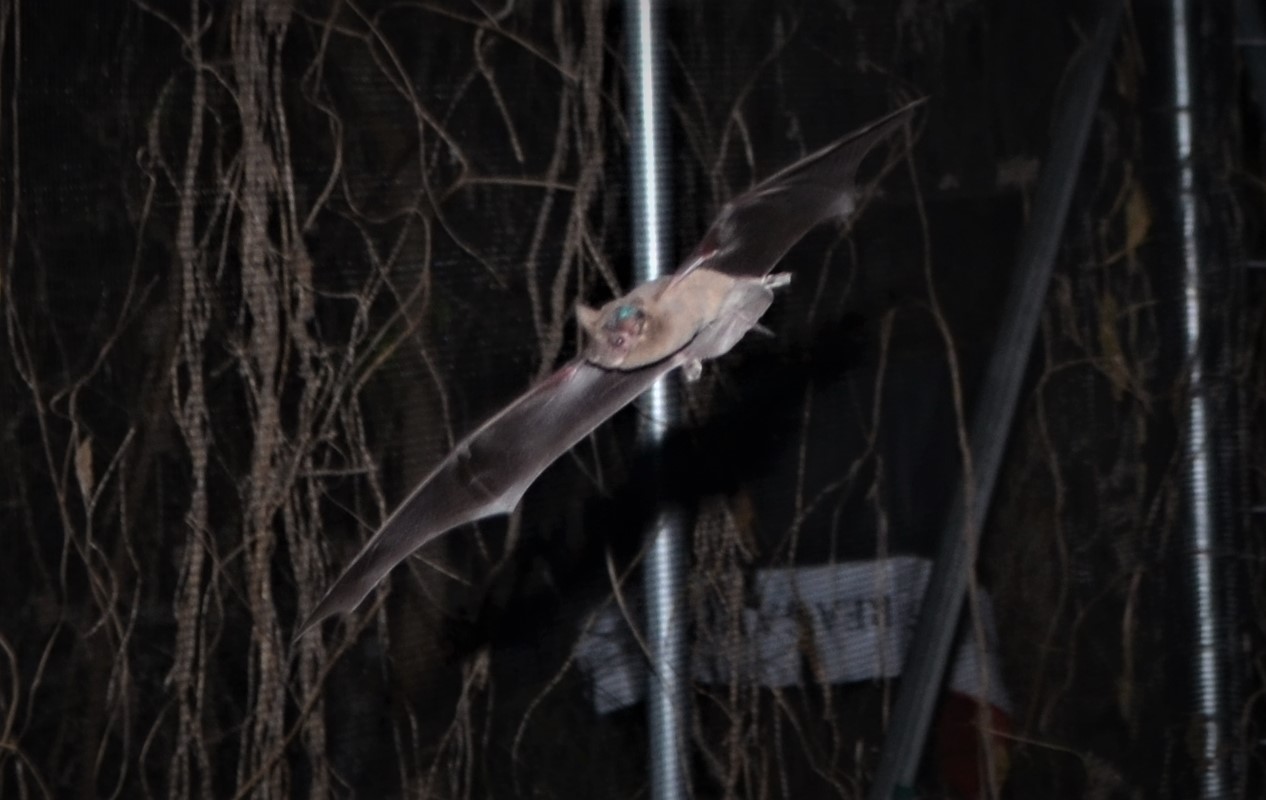
Tonight we got a chance to check out a Mexican free-tailed bat that had been brought in a while back by Sara Hoke.
He would have been a goner had Sara not taken time out of her day to rescue him.
His wild heart was “rattling the bars of his cage” tonight, so we asked him to show us what he can do.
Nice! He’s a great flyer. We were able to confirm that he sustained flight because we caught him on camera a few minutes later.
We could tell him from the color we applied to his left ear and marked on his ID tag.
This is just another example of a perfectly capable little bat that just had bad luck that one night.
He just needed a second chance.
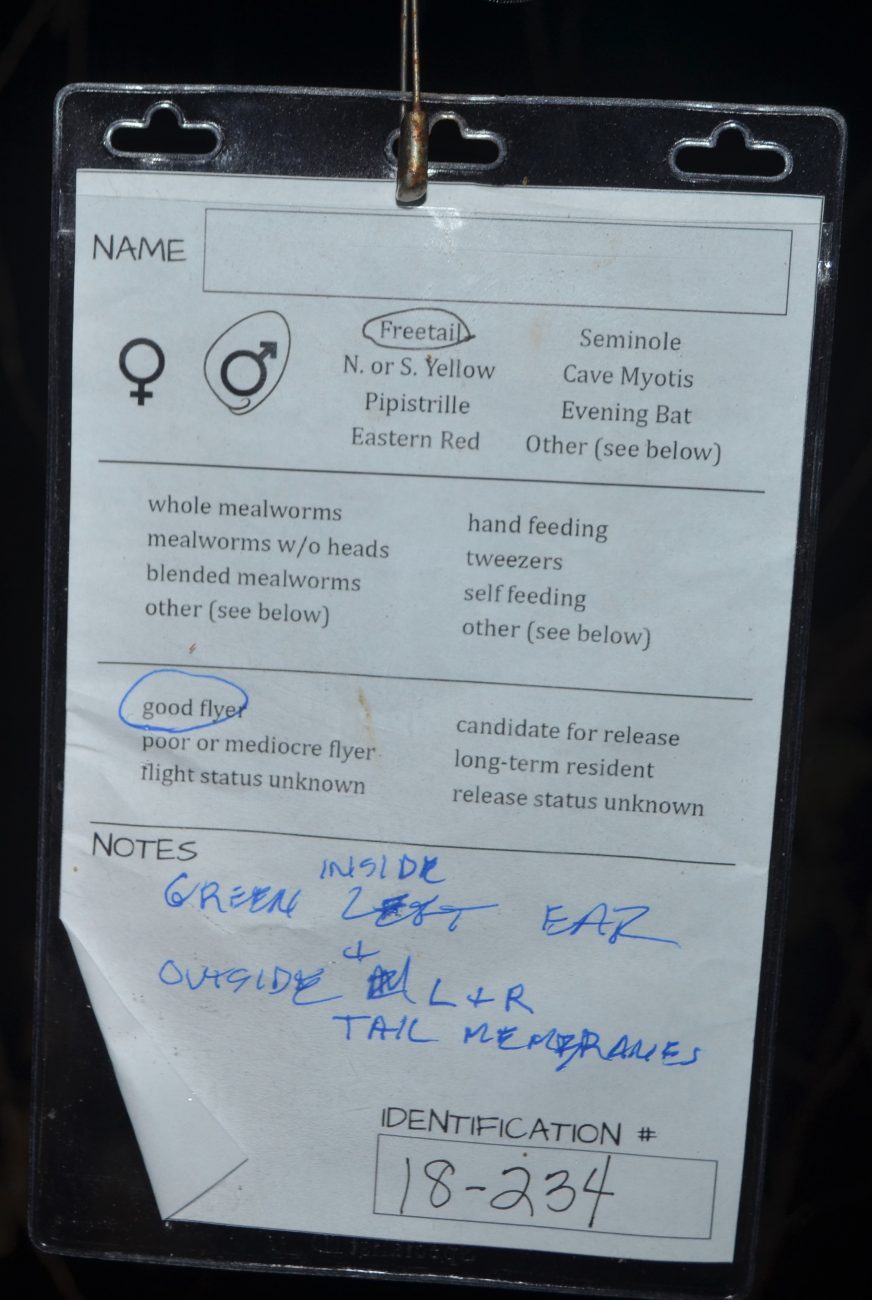
We won’t be able to catch him in the flight cage tonight, so we’ll locate him in the morning. He’ll likely be roosting with the other free-tails in the flight cage bat box. If the weather holds, we’ll release him at Congress Avenue Bridge the next night. But we may have to wait for a two or three day window of warm weather to ensure he settles comfortable with the colony. We don’t want to release him on a cold night when no other bats are flying and sometimes it takes two nights of warm weather for the colony to decide it’s worth the energy expenditure to fly.
Another bat that needed a look was this little tri-colored bat 18-230. She was roosting above in a 3rd story breezeway for at least ten days without moving at all, according to the caller. We were asked to relocate her because the rescuer was scared of bats in general and she was also worried the bat might be sick.
This bat has been extremely hard to feed during all this cold weather as she doesn’t like any of our standard go to food or even treats. She has not eaten one morsel of food voluntarily. Usually tri-colored bats will strike at their food if you hold it close in front of their noses. Not this pup. Her mouth has to be cranked open and food squeezed in. Even then she will shake her head and sling most of it all over the place. What a struggle!
We’re so happy that warm weather arrived so we can let her forage in the aviary. We got her to fly by trying to feed her, causing her to walk away over the top of her pup tent, and as we continued to chase her with food, she finally took flight.
She immediately dipped down for a drink and here’s a fuzzy photo of her, dripping wet, with an evening bat behind her, in close pursuit.
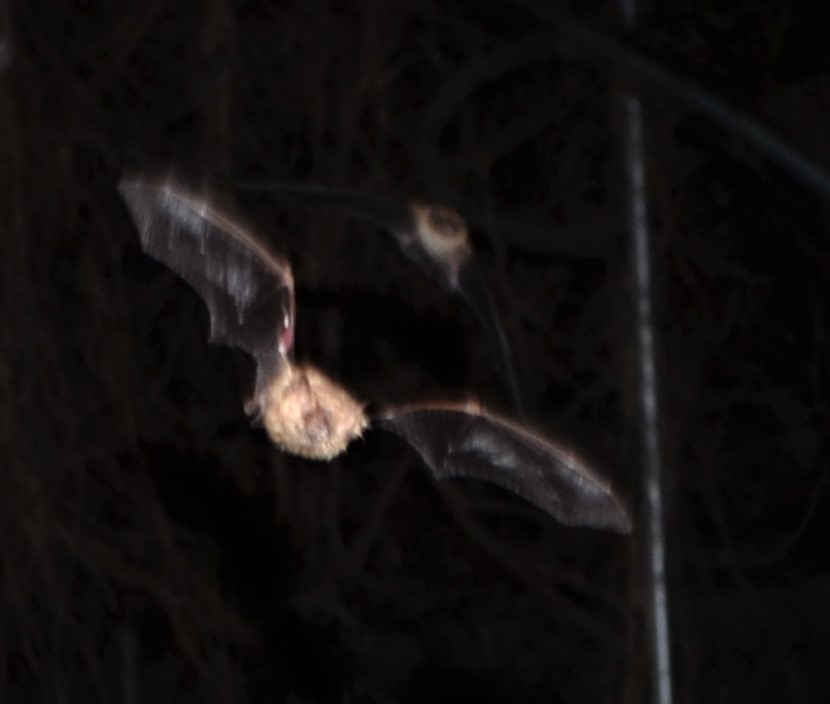
She turns out to be a great hunter, flying slowly in circles tangent to the black light, hoping to catch an unwary moth.
the moths start flying in very fast erratic loops when a bat approaches. They hear the bats echolocation and that triggers evasive maneuvers that been developed over about 25 million years as bats and moths co-evolved. It’s amazing to see what bats have to do to catch them.
Here’s the tri-colored with her sights trained on a moth. We love these action shots, even though they are rarely in focus.
Check out the collard greens, broccoli, and kale in the moth garden. Moths smell these brassicas from far away and come to lay eggs on the crops.
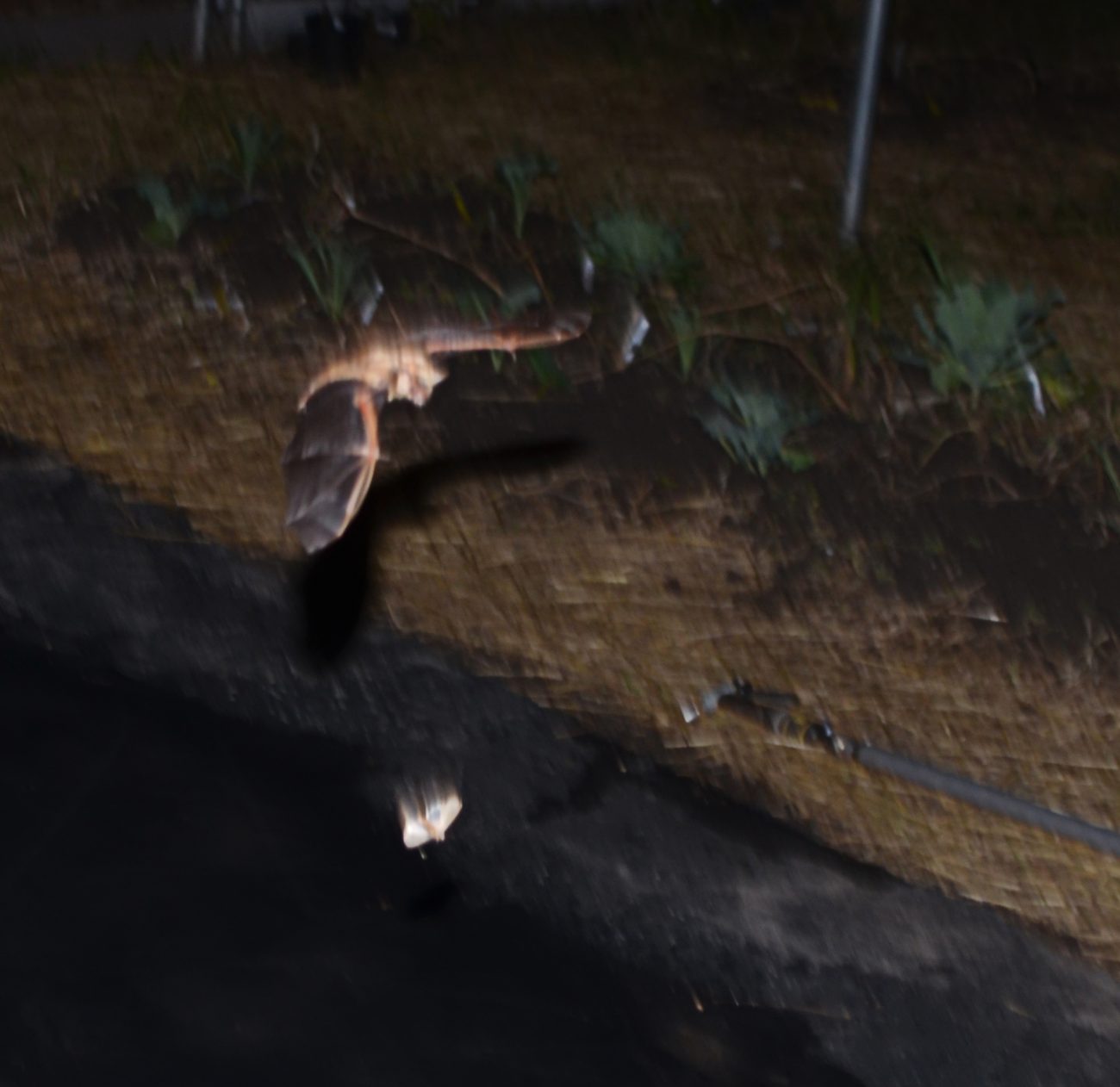
And in this next photo, she’s swooping up from down below, as the moth tries to evade her by staying close to the netting.
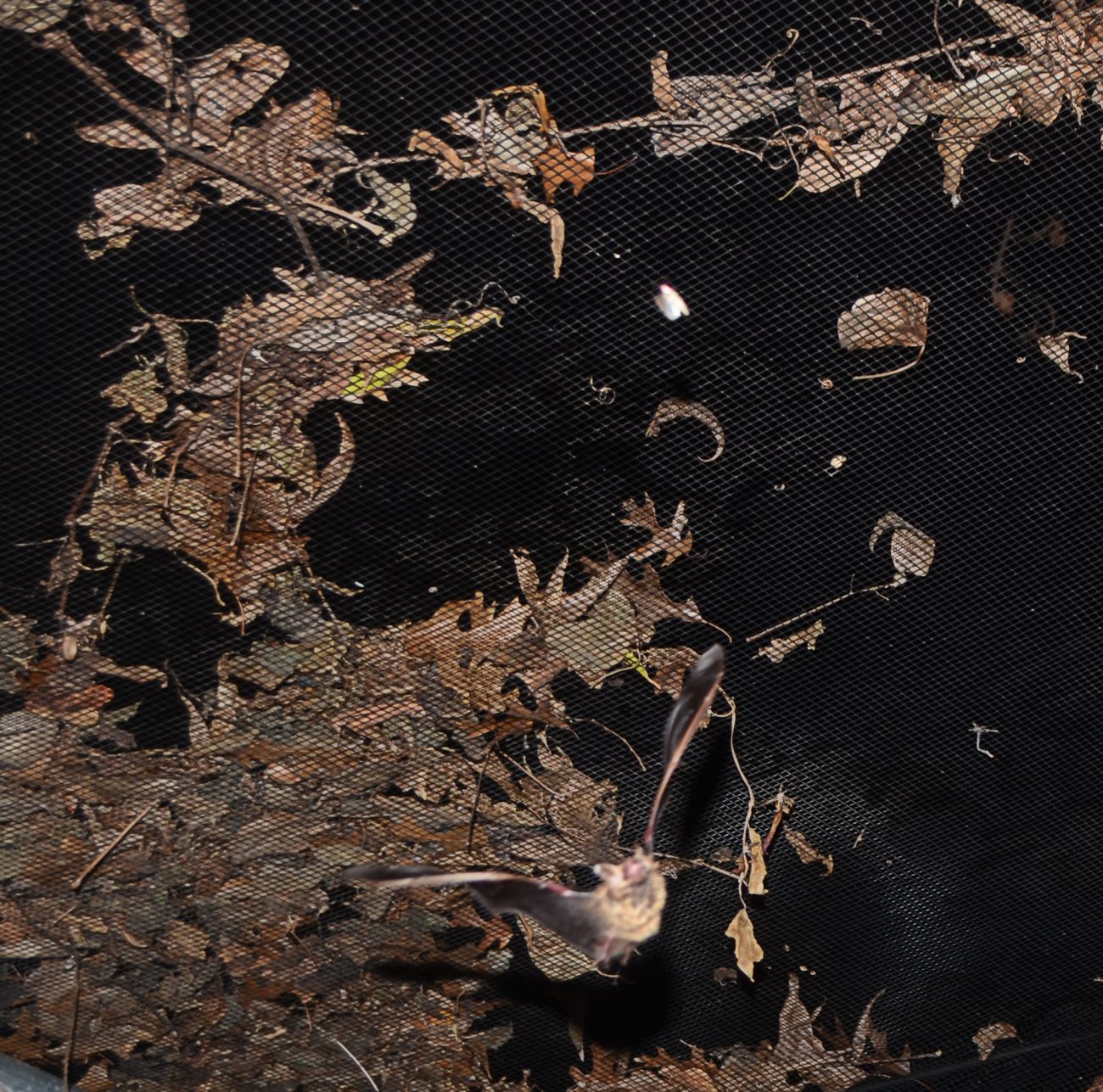
Diva, the Seminole bat, continues to make progress and is flying faster and carving her turns much better than in early fall.
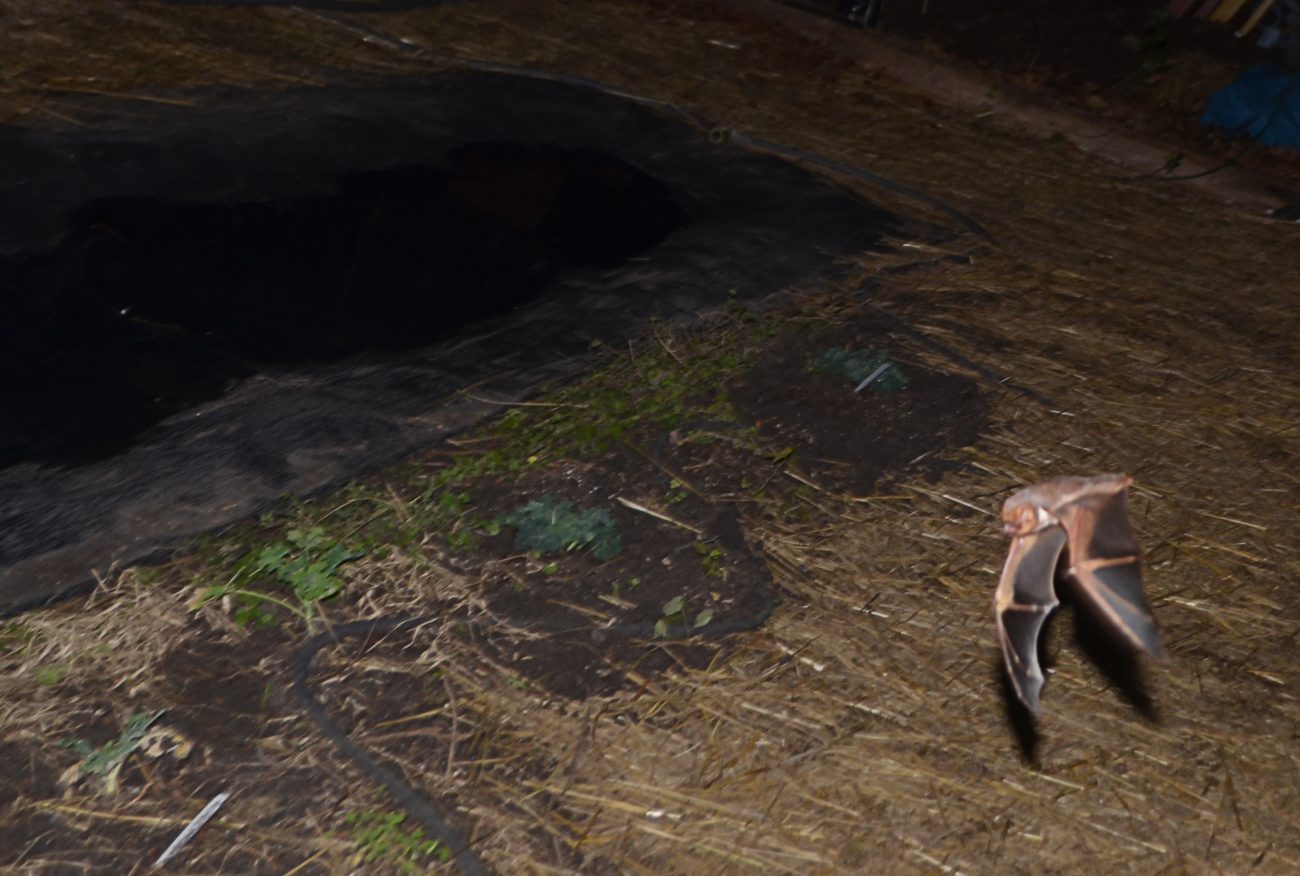
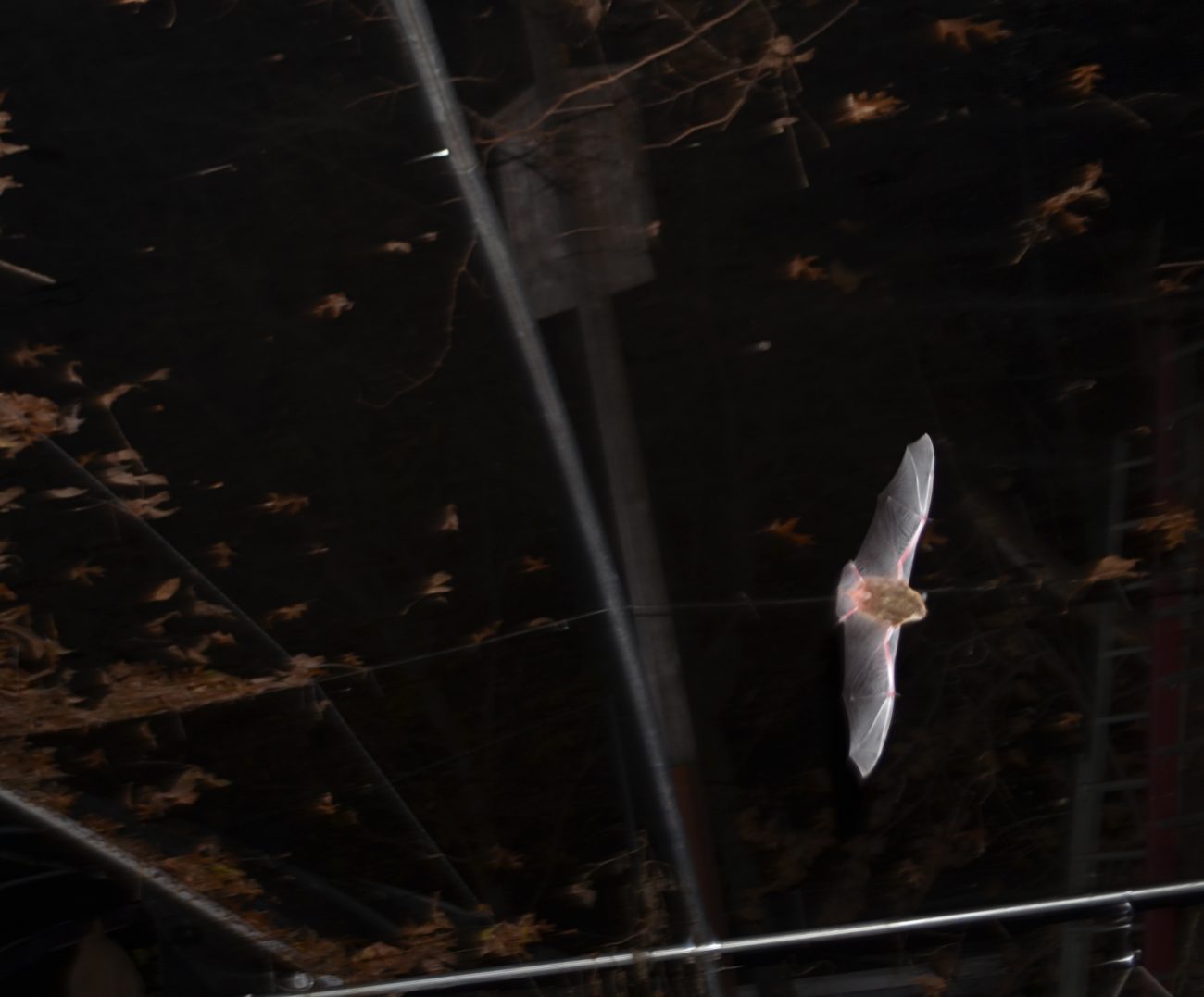
One of the evening bats is zooming around the cage leaving a sonic boom in his wake worthy of any night fury.
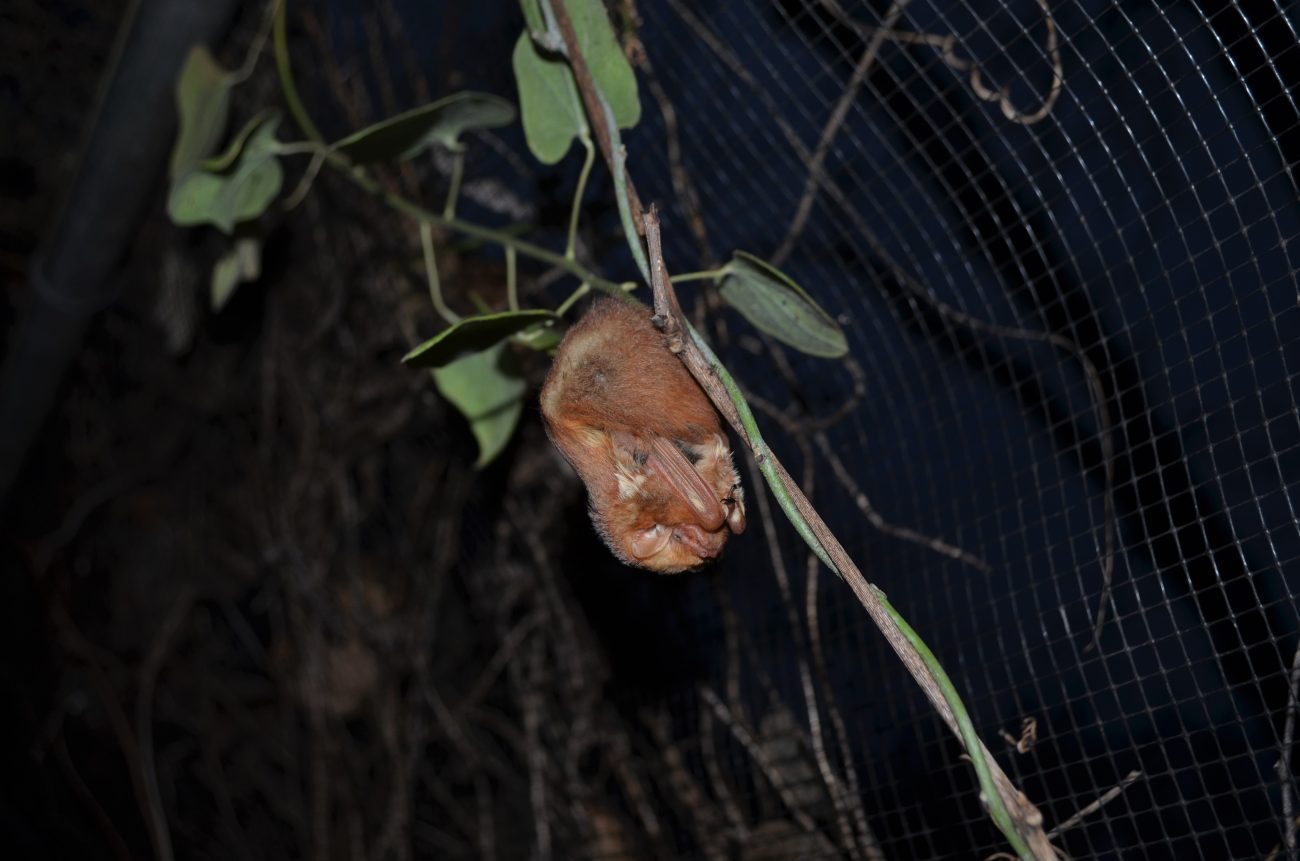
We gave Rosa a chance to fly at dusk, but she seems to know she is not up to it. She was still curled up an hour after dark, so we zipped her back up in her pup tent.
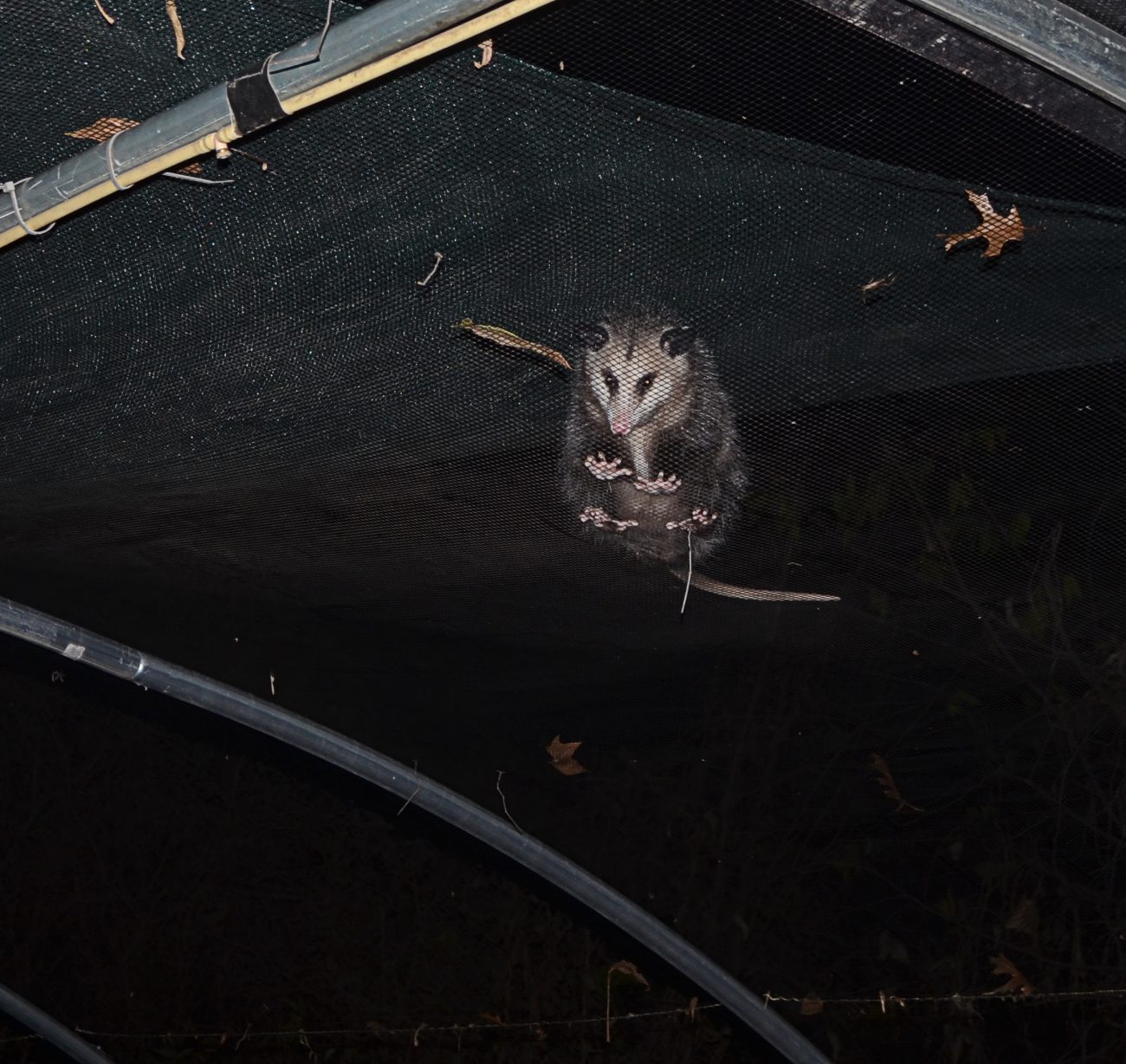
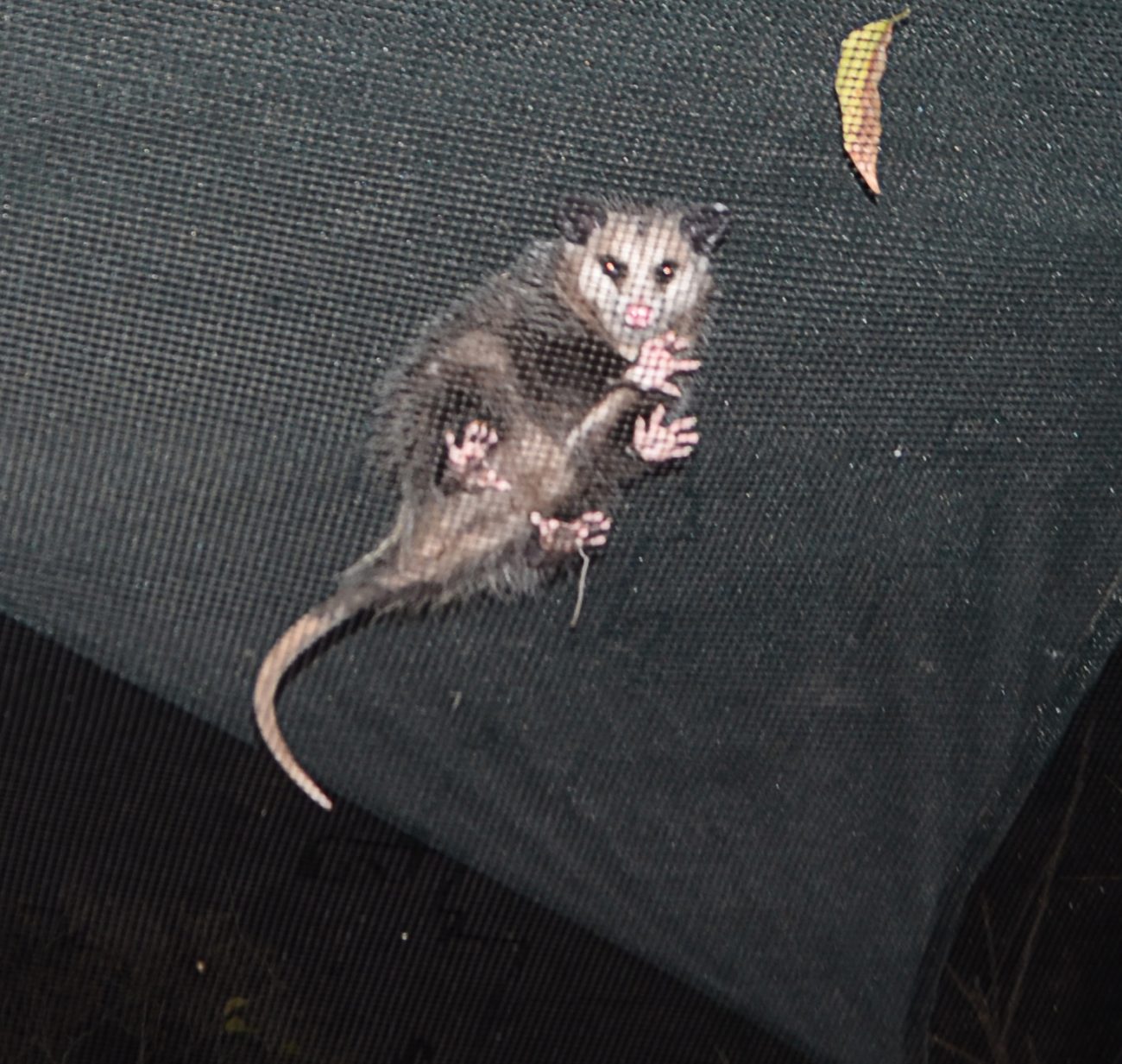
And a juvy possum has decided the top of the aviary is a great place to live. He was hiding under one of the triangular shade tarps, maybe to stay out of sight of owls.
We really don’t trust him to leave the bats alone, and we don’t know if the bats would necessarily wake up if he decided to try to catch one napping. So, in spite of him being just impossibly cute, we are discouraging him from hanging out at the refuge. We’ll see how that works out!
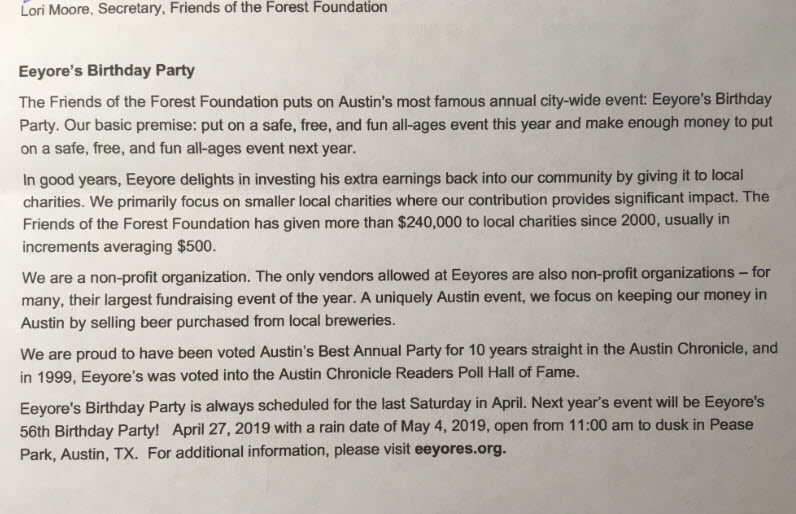
Eeyore’s Birthday Party gave us a donation!
Eeyore is the grumpy donkey in the classic children’s tale Winnie-the-Poo.
He mopes around so much that his buddies throw him a birthday party to cheer him up.
Well, even bat workers can get a little mopey when things don’t go well for bats. And bats have hard lives.
This year, the local non-profit organization The Friends of the Forest Foundation cheered up Austin Bat Refuge with a wonderful donation from the proceeds of Eeyore’s Birthday Party!
Thanks so much from us at ABR to this wonderful organization that has been giving back to the community for decades!

Wow! This brought a huge smile to all our faces! Love you all!
Please join us all in cheering up Eeyore again next year on April 27, 2019 (always the last Saturday in April).
Next year’s event will be Eeyore’s 56th Birthday Party!
Please bookmark eeyores.org, put on a costume (or nothing at all!) and meet us there!
Thank You Lori Moore – and all the good people at FotFF for the very generous donation!

Cold-Stunned Velifer
This four-month old female was found on a bitter cold and wet morning hanging low on a door screen.
Great work by Wesley who contained her and brought her to us to warm up and rehydrate.
She is brand new here in the video and still bewildered by the strange turn of events.
Central Texas bats had left their roosts to forage on another warm night when the coldest mid-October norther for years swept into Central Texas.
We think she got wet, cold, and blown around, so she sought shelter anywhere she could.
She’s this year’s pup and her inexperience led her to roost in a vulnerable location.
A cat, dog, bird, or human could have harmed her, so Wesley brought her in for some TLC until it warms enough to release her near her cave.
When they are found in an exposed location, such as on the ground or on a wall just a foot or two above the ground, they are vulnerable to predators or fearful humans. This usually means something is wrong and when strong cold fronts move in, with strong winds and rain, that is often times all that is wrong. Simply moving them to a safe location is enough. Check out website’s Have You Found a Bat page.
What an amazing bat!
She is fierce and when she spreads her wings and opens her mouth, she is the most beautiful bat in town!
What a priviledge for us to get to help her out a little.