A Complete Framework
Austin is known worldwide as Bat City. Congress Avenue Bridge and Barton Springs Pool are considered the soul of Austin, bringing nature into the heart of the city. Austin Parks & Recreation has an opportunity to set the bar for municipal park systems around the world by showing consideration for bats as an integral part of a vibrant urban ecosystem.
This can be done by ensuring for bats what all of us require: 1) Shelter 2) Water 3) Food 4) Safety 5) Enrichment

1. Shelter
Different bat species have different needs. Our local bat species generally break down into two broad categories: A) Crevice-dwelling and B) Foliage-roosting.
A) Crevice-Dwelling BatsThis group of bats evolved to live in caves, fissures in rock faces, and tree cavities. Faced with habitat loss from development, they have adapted well to urban infrastructure that provides similar conditions.
Mexican Free-Tailed Bats (bridges & voids in buildings)
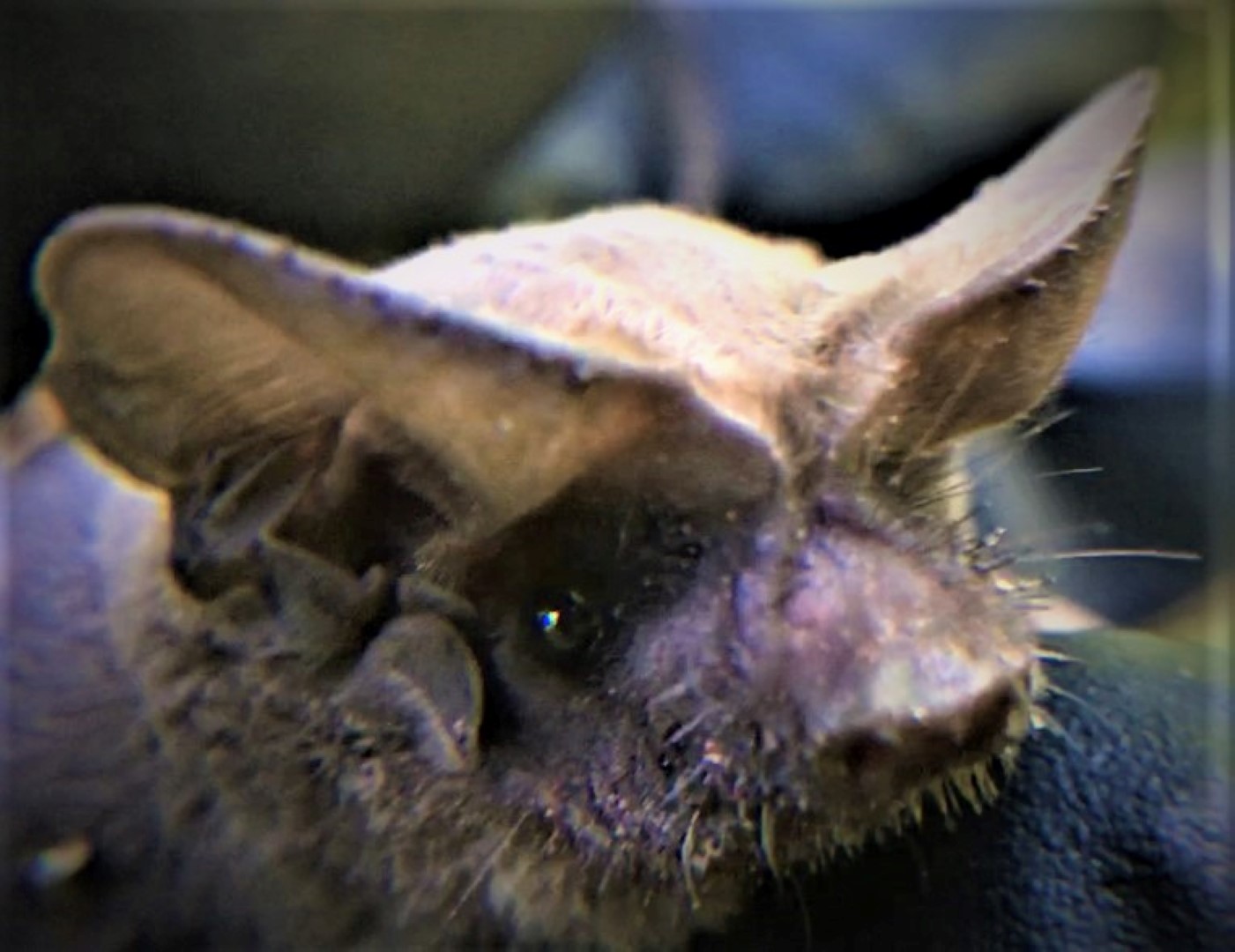
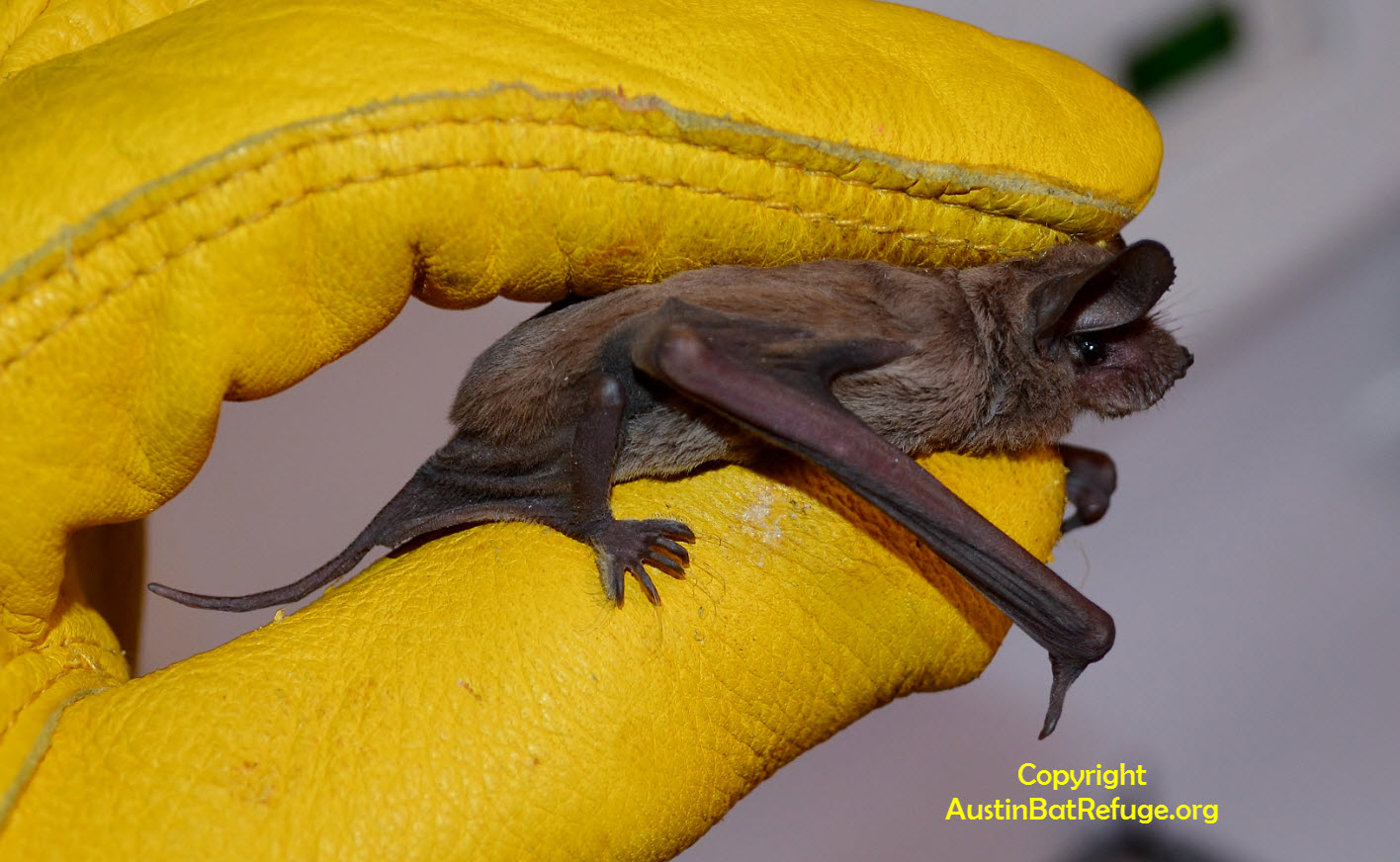
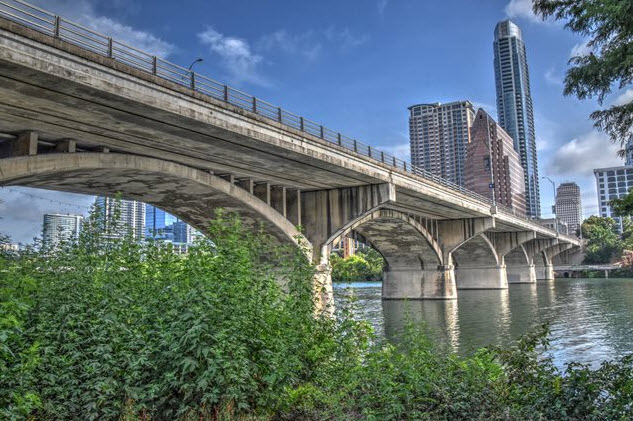
We all know Congress Avenue Bridge, but that’s far from the only location this species is found in Austin. Any bridge with box-beam construction can serve as a roost – Waterloo Park, 9th & Shoal Creek, Dittmar, and Loyola all host colonies.
They perform free energy audits in winter by following warm air from buildings – locating and revealing potential roost entry points.
- Maintain bridge joints without sealing expansion crevices during active season
- Avoid applying pesticide or sealant near expansion joints during roosting season
- Keep structures maintained – deterioration eliminates roosts over time
Evening Bats (tree cavities, apartment attics and other voids in buildings)
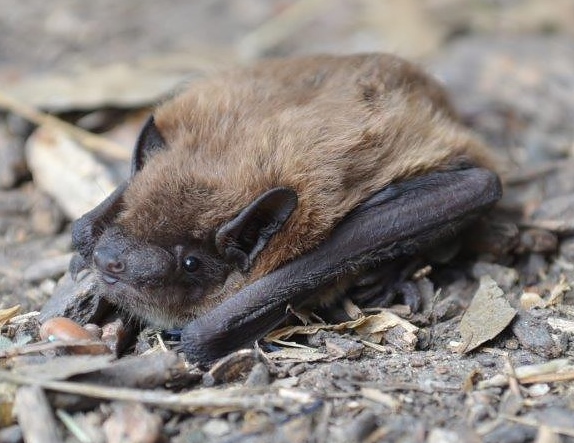
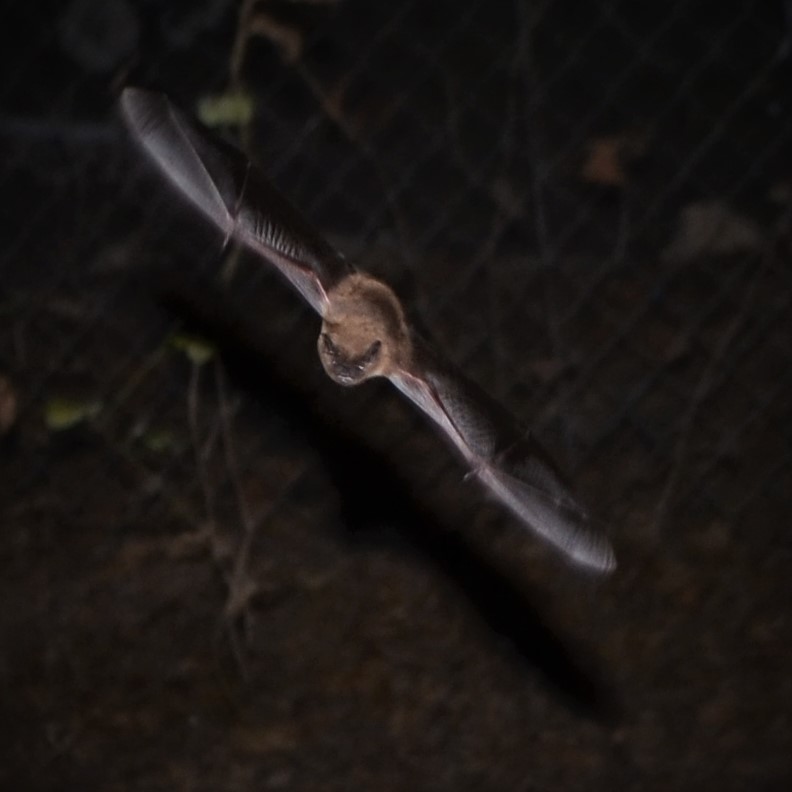
Leave tree trunks and limbs with hollows and/or exfoliating bark. Bat houses are inspired by the loose bark on declining trees which has sheltered bats for millions of years.
An inspection camera can be used to see if cavities have colonies (anywhere from 20–200 in a cavity), but can give false negatives if not fully deployed or if there is seasonal use. Trail cams could pick up bat activity as they emerge and return to the roost. Passive bat detectors deployed seasonally can determine presence/absence of bats long in advance of any tree work.
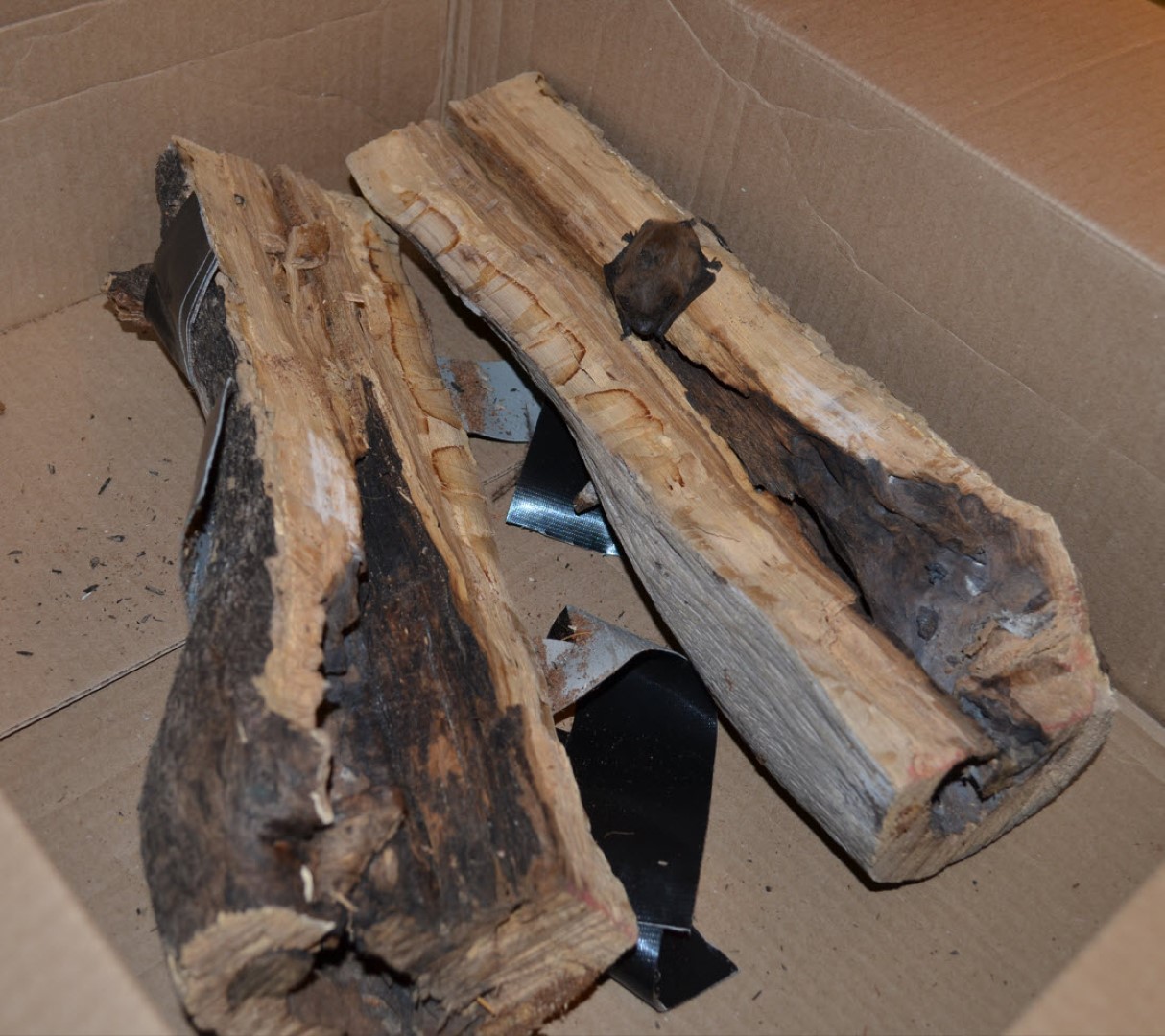
An evening bat roost in a hollow limb after it was cut for firewood and went through the log splitter
If bats need to be excluded from dead or declining trees, first mitigate the roost loss with a Brandenbark type installation prior to taking down the tree.
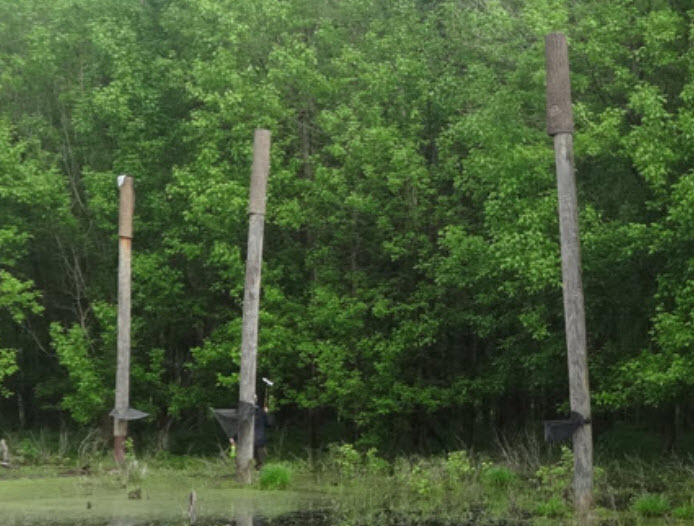
Brandenbark installations – mimic loose bark on trees, mounted on retired utility poles
- Leave standing dead trees and hollow limbs when safety allows
- Use passive bat detectors to document presence before any tree work
- Brandenbark installations mimic loose bark on utility poles – a proven supplemental roost
- Installation of mitigation roosts prior to exclusion gives bats time to recognize it as a viable alternative
Tri-Colored Bats (caves but also foliage in summer)
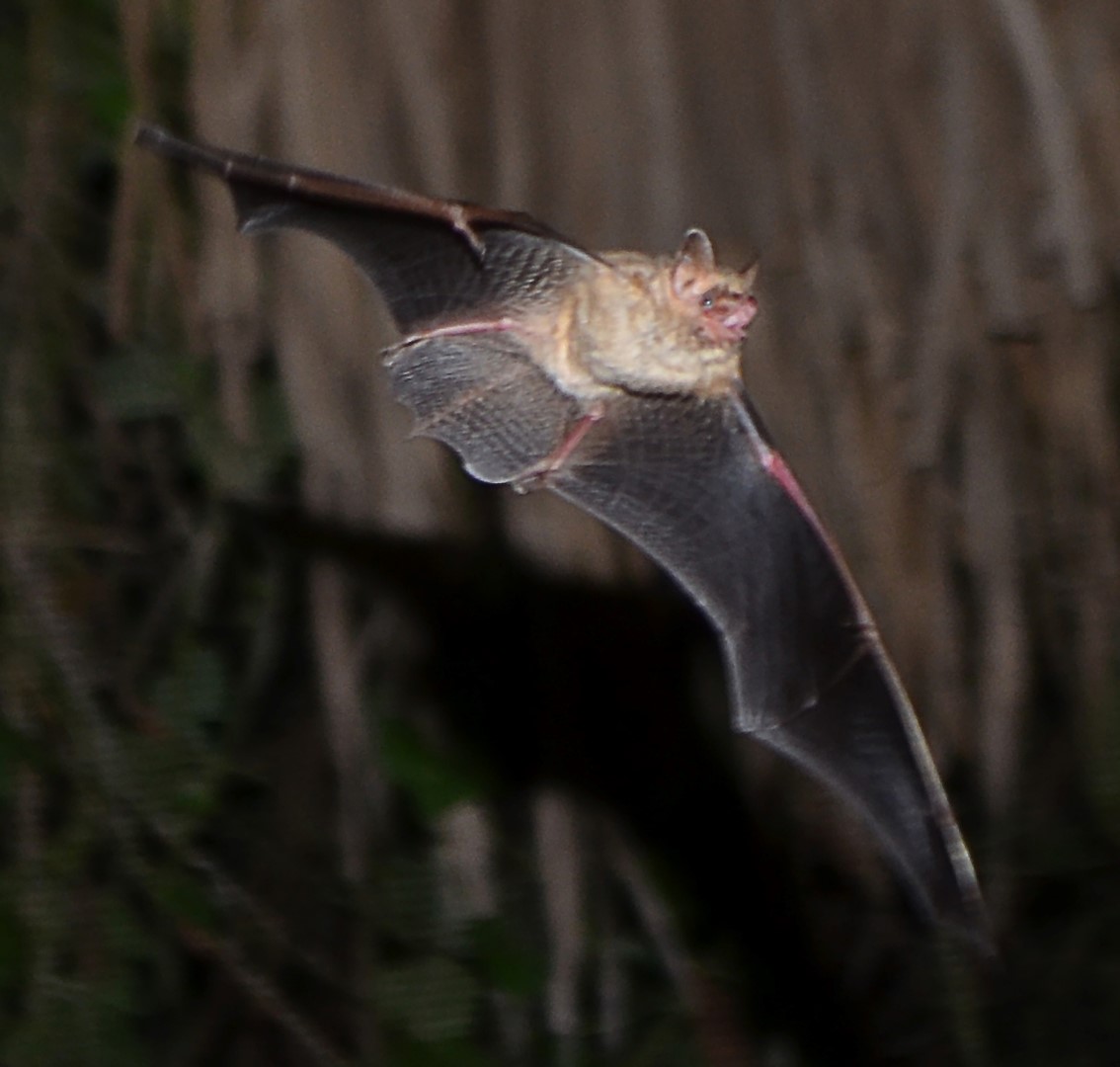
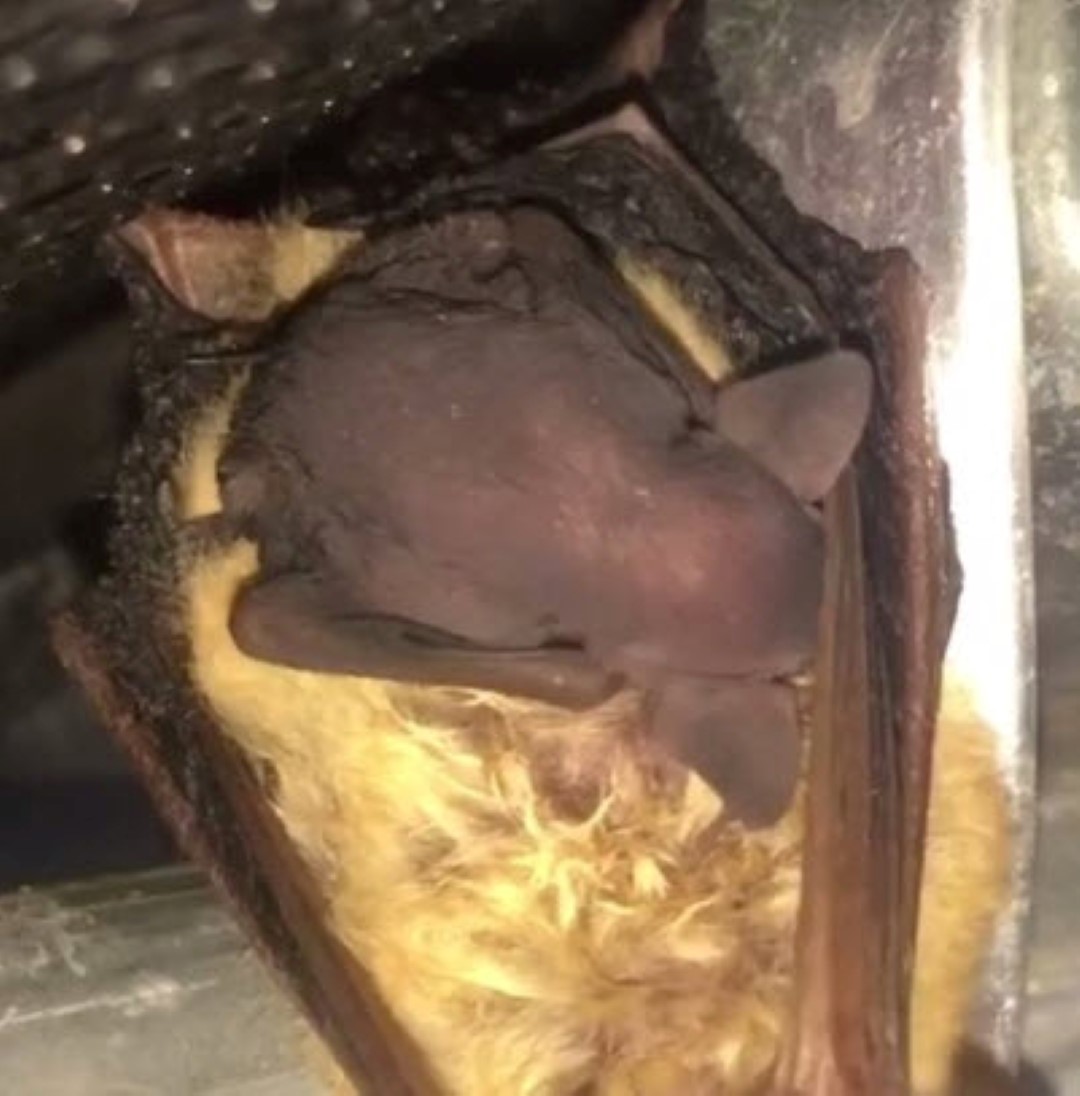
tiny, full-grown adult on left – even tinier 3-day old pup on right
They commonly are found in odd locations during inclement weather or during local migration from summer ranges to winter hibernacula. If they are roosting high under an overhang out of reach of cats or children, they can be left alone. If hanging low or exposed, please call us for an assessment and a possible wellness check.
- Safe to observe if roosting more than 6 feet above the ground
- Contact Austin Bat Refuge if any bat is hanging low or on the ground
- Do not attempt to handle – call us for guidance
Cave Myotis (caves)
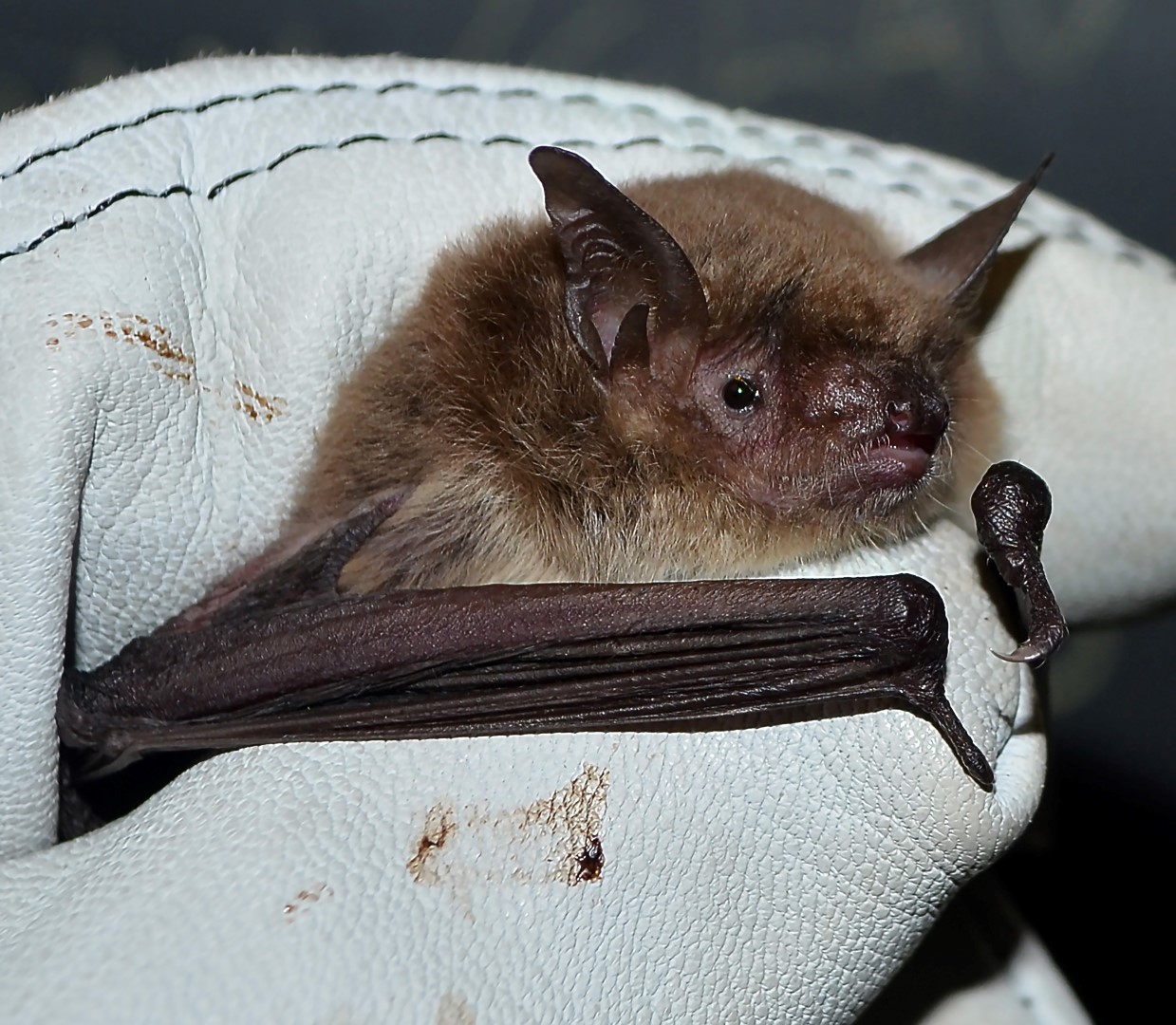
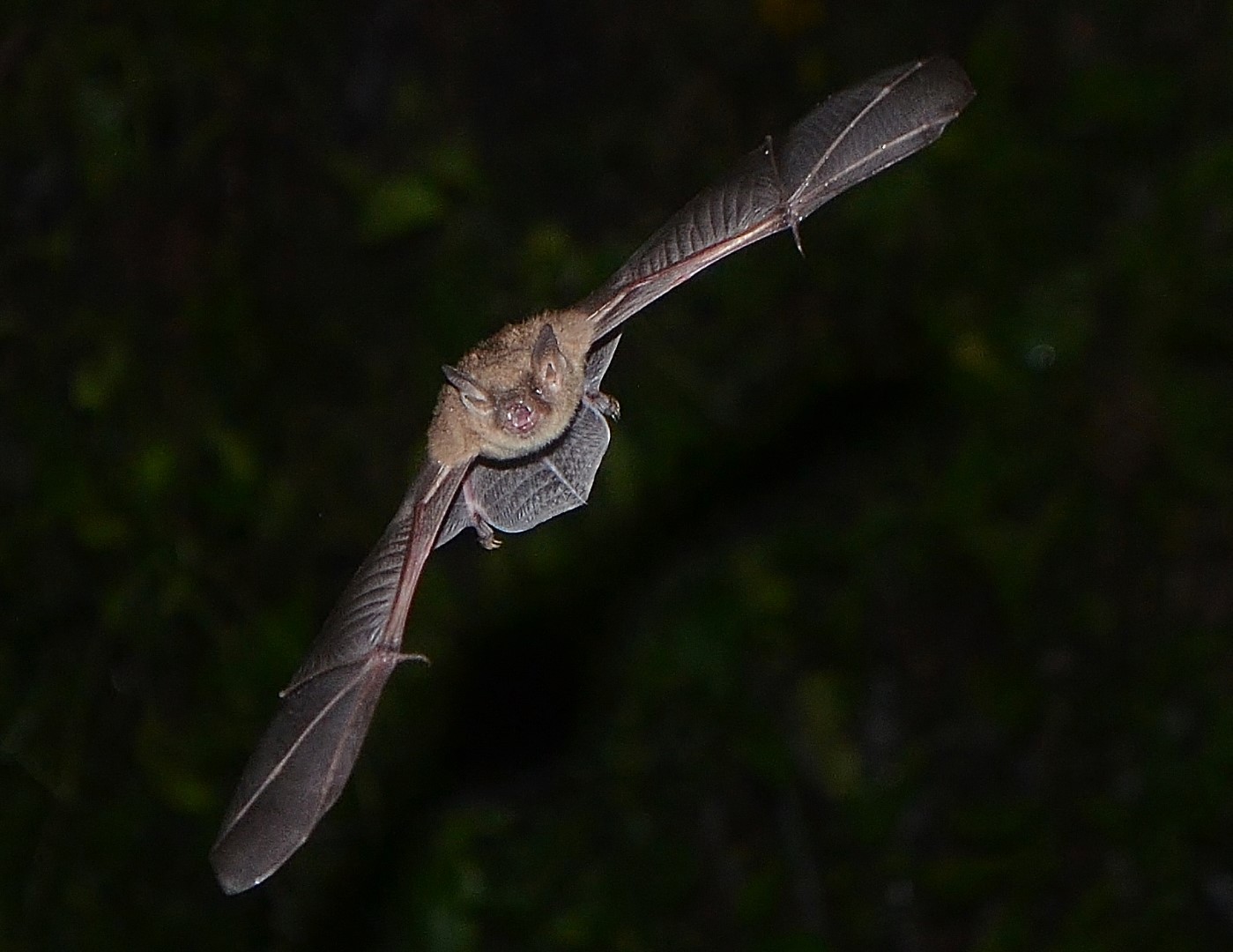
A cave-specialist that requires natural cave habitat for colonies. Urban park management has limited direct impact on this species, but greenbelt cave preservation matters.
- Leave cave management to local cave management organizations
- Avoid disturbing cave entrances in park greenbelts
- Do not block or seal any cave entrances without expert consultation
This group of bats evolved to live in unmanaged forests. We can become more bat-friendly by relaxing our rigorous maintenance of the wooded sections of parkland.
Eastern Red Bats (broad-leaf trees preferred)
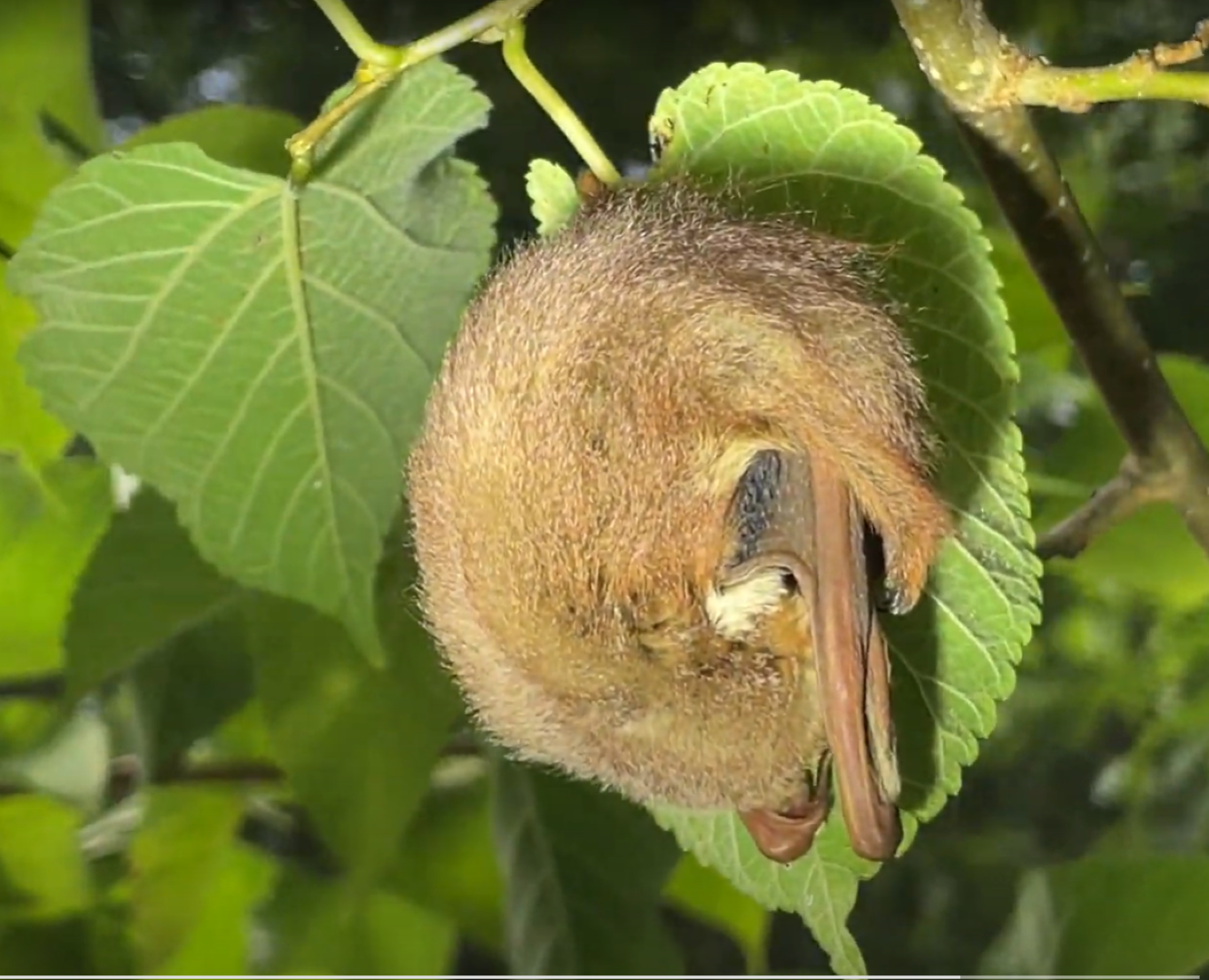
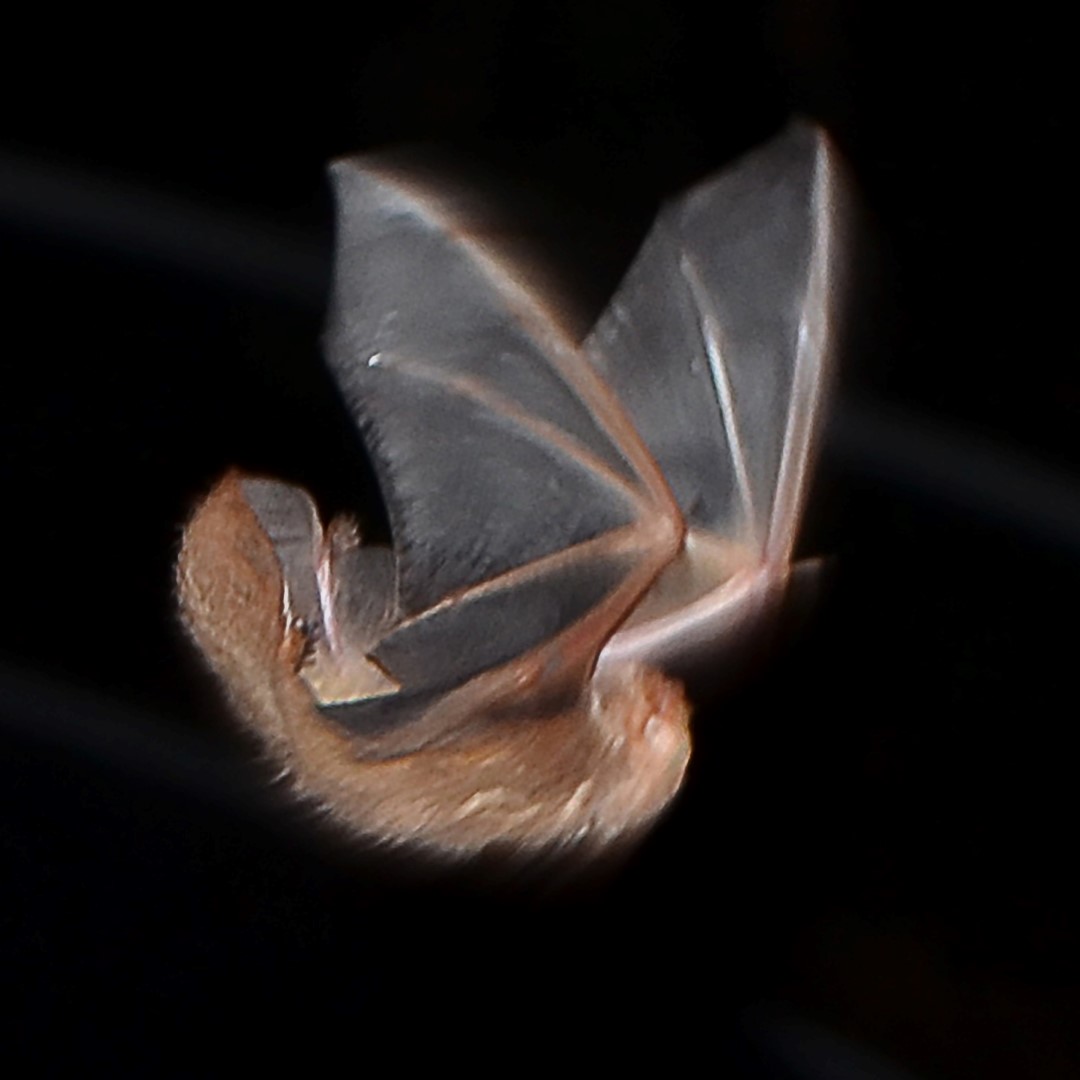
They hang from the stems of broad leaves to hide from avian predators, and fly up into clusters of dead leaves. “Leave The Leaves” is the best way to mulch and nourish trees – we expand upon that saying to mean leave clusters of dead leaves in trees. It seems likely that eastern red bats camouflage themselves in clusters of dead pecan leaves. It’s a good way for a red bat to be inconspicuous in a green tree.
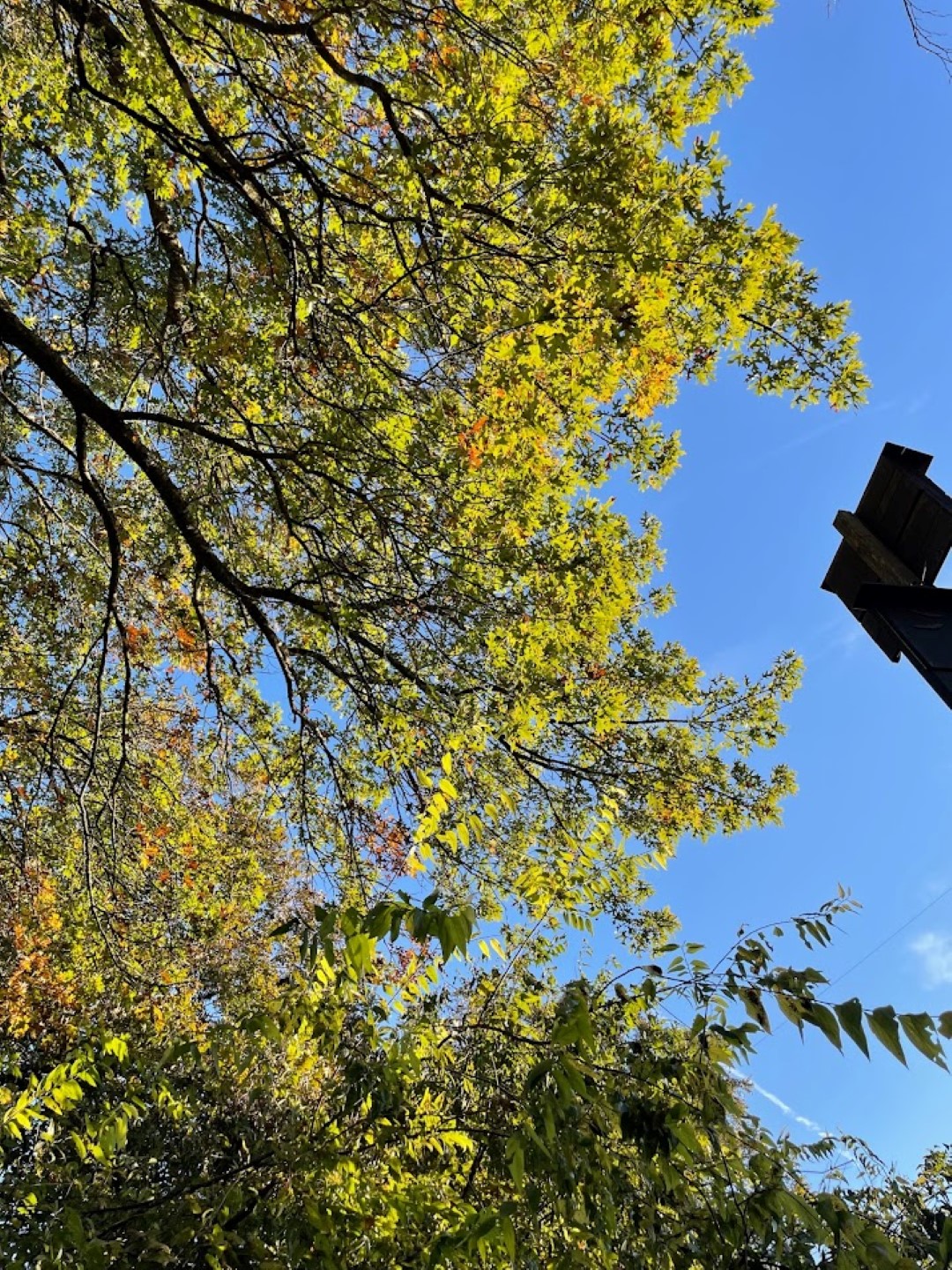

- Leave clusters of dead leaves on trees – do not remove all leaf litter from canopy
- Retain pecan trees and avoid excessive grooming of dead leaf clusters
- Broad-leaf canopy diversity supports this species year-round
Seminole Bats (pine trees)
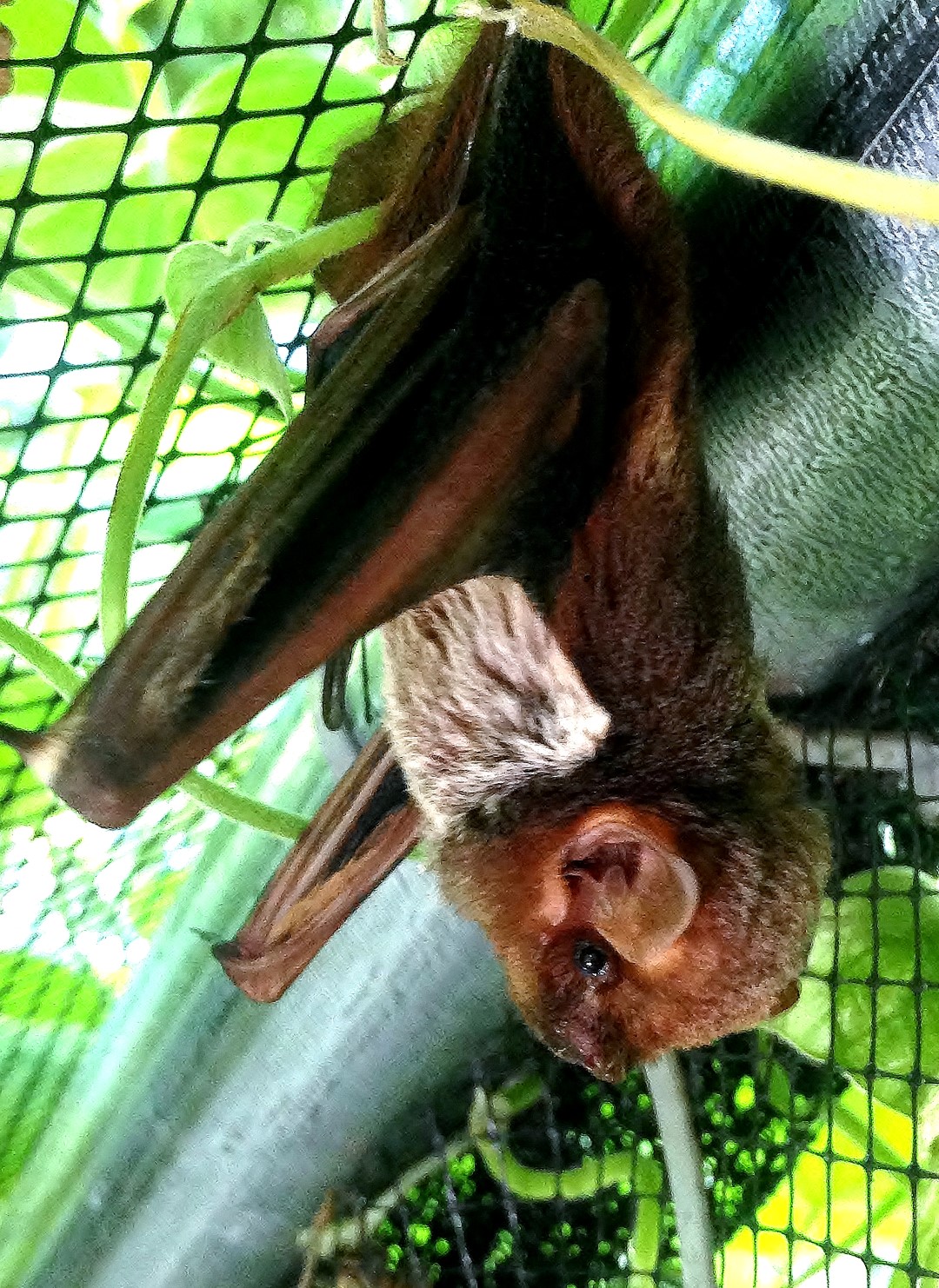
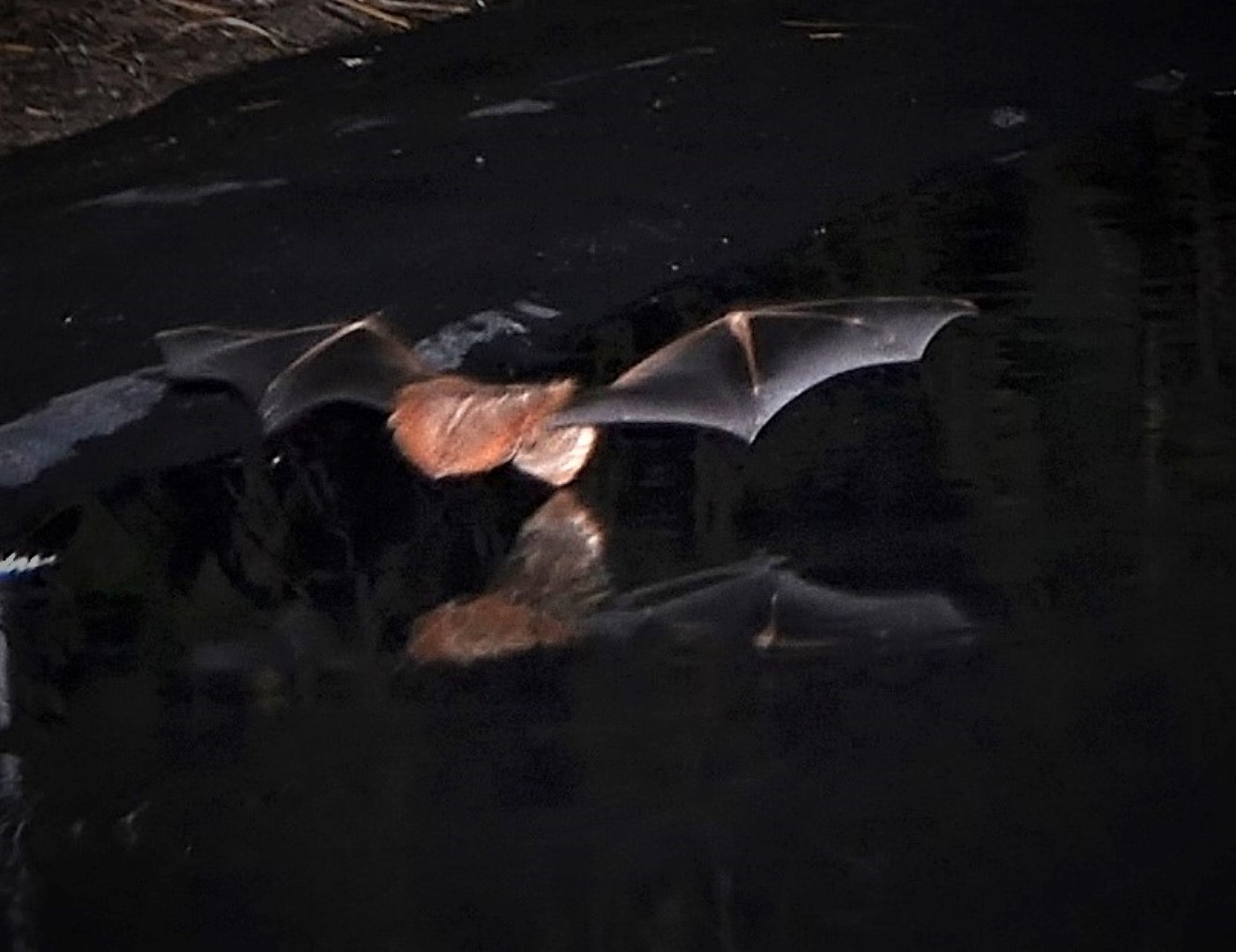
Often roost in loblolly pine trees, where they mimic pinecones. The majority of our intakes come from Bastrop, Red Rock, and other parts of the Lost Pines – the westernmost edge of the southern pine forest. They are also said to roost in Spanish moss.
- Plant and retain loblolly pine trees in park landscapes
- Spanish moss is an alternative roost substrate – preserve where present
- Avoid pruning pine trees during roosting season (spring through fall)
Northern Yellow Bats (palm trees) – see our Palm Tree page
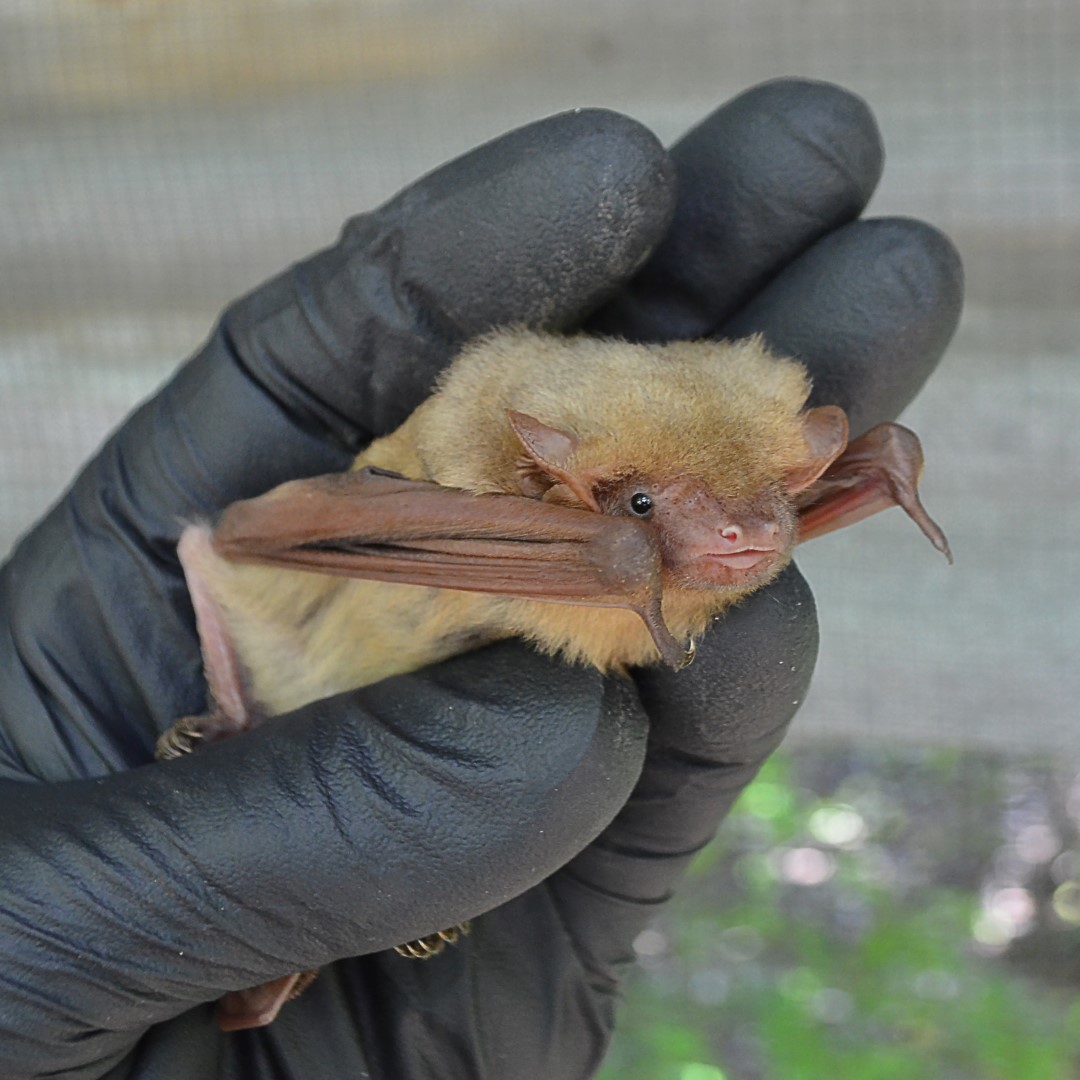
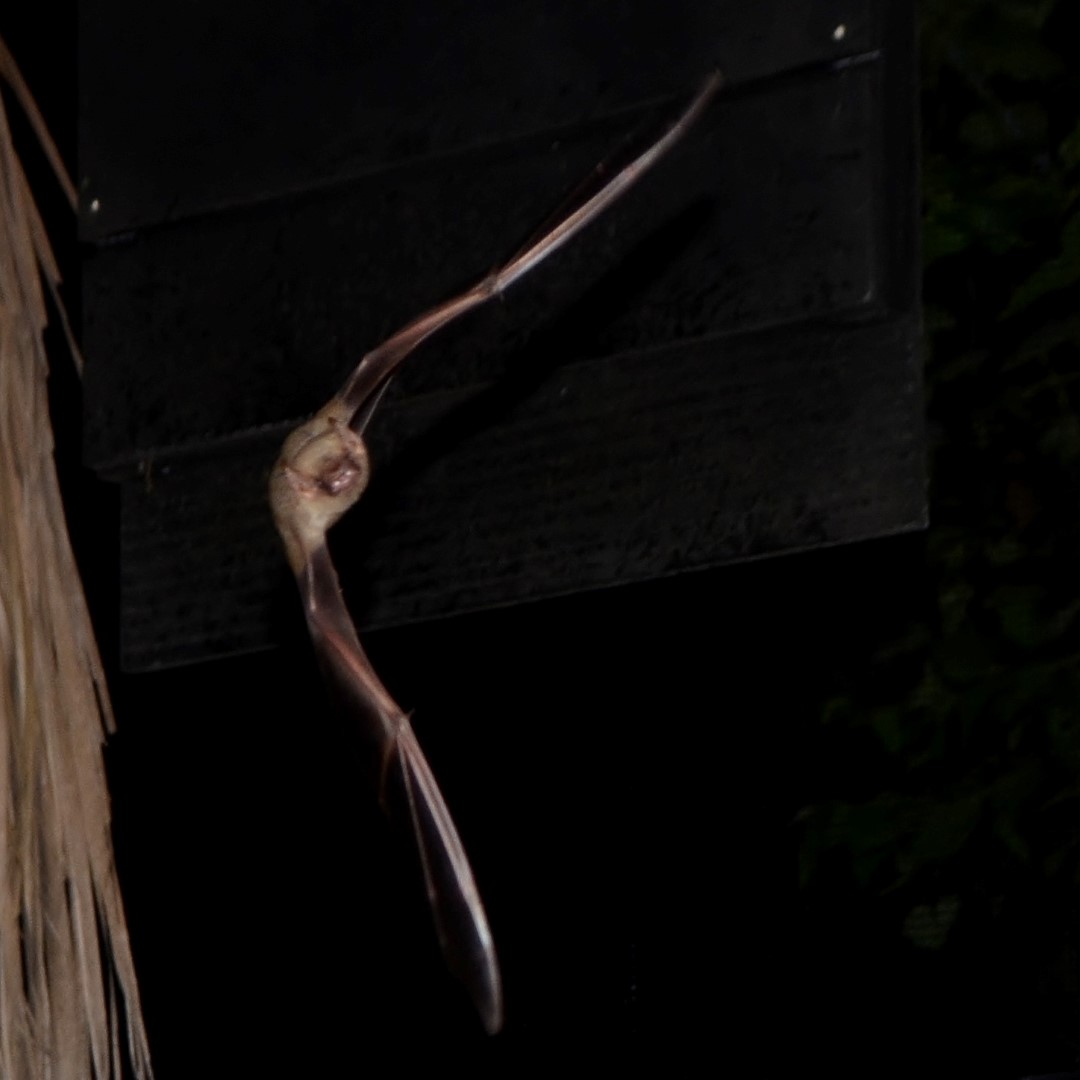
Don’t prune the brown skirts that form high up under the green crown. It is extremely critical bat habitat as it is the only place these bats roost. Most of Austin’s palm trees were killed by winter storm Uri, so each and every remaining palm is highly valuable habitat.
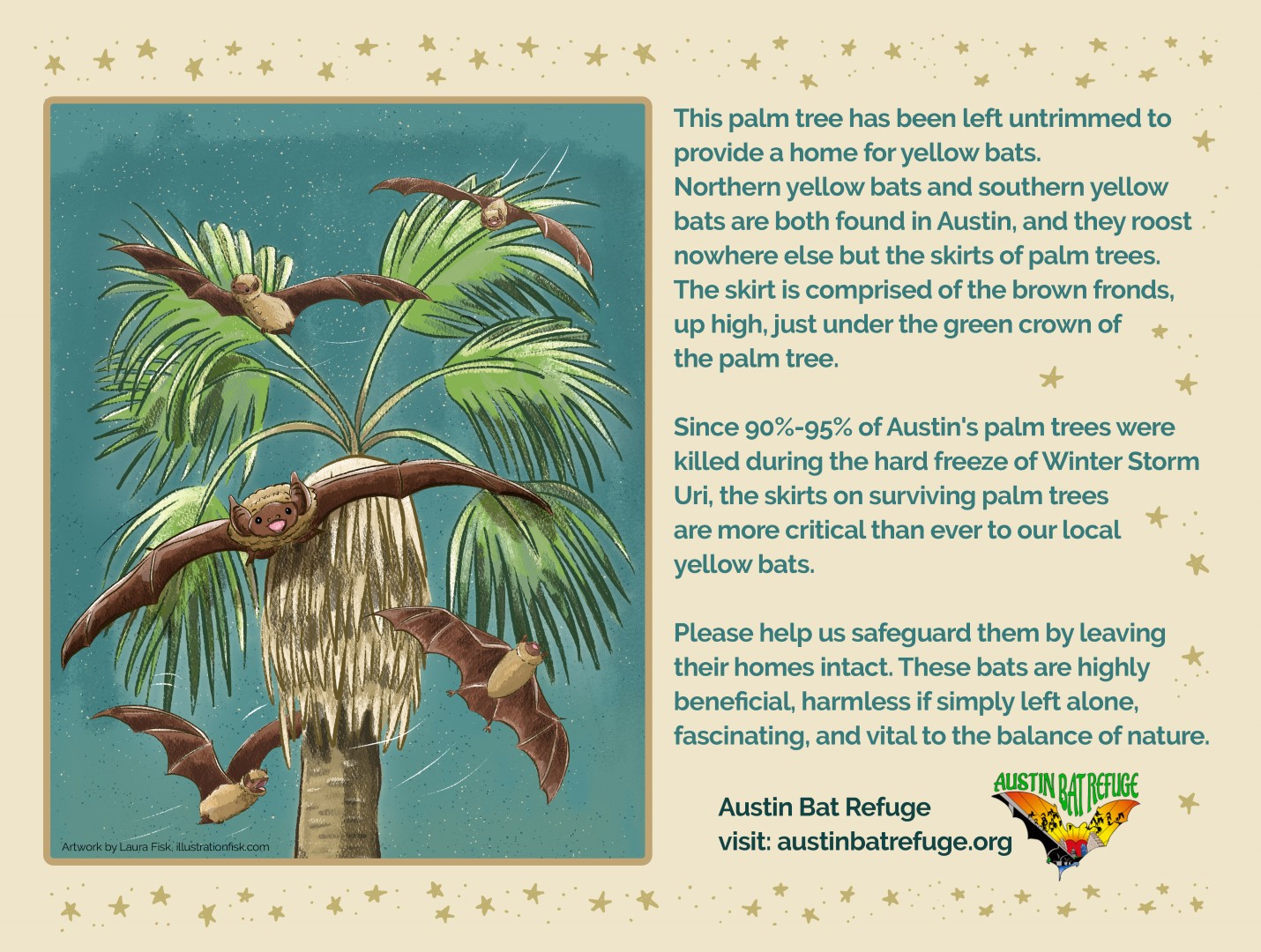
If a palm is removed…
Plant a native Sabal mexicana to take its place, preferably on the south side of a building, sheltered from cold winter winds. It takes many years for a palm to grow tall enough to become a bat roost. In the meantime, install a retired utility pole nearby and we’ll attach palm fronds to the top to create a roost. This could critically prevent a range roll-back or die-off of our local yellow bats.
- Do not prune brown skirts from any palm species
- Plant native Sabal mexicana as the preferred alternative to Washingtonia
- Install retired utility poles with attached palm fronds as supplemental habitat
Southern Yellow Bats (palm trees)
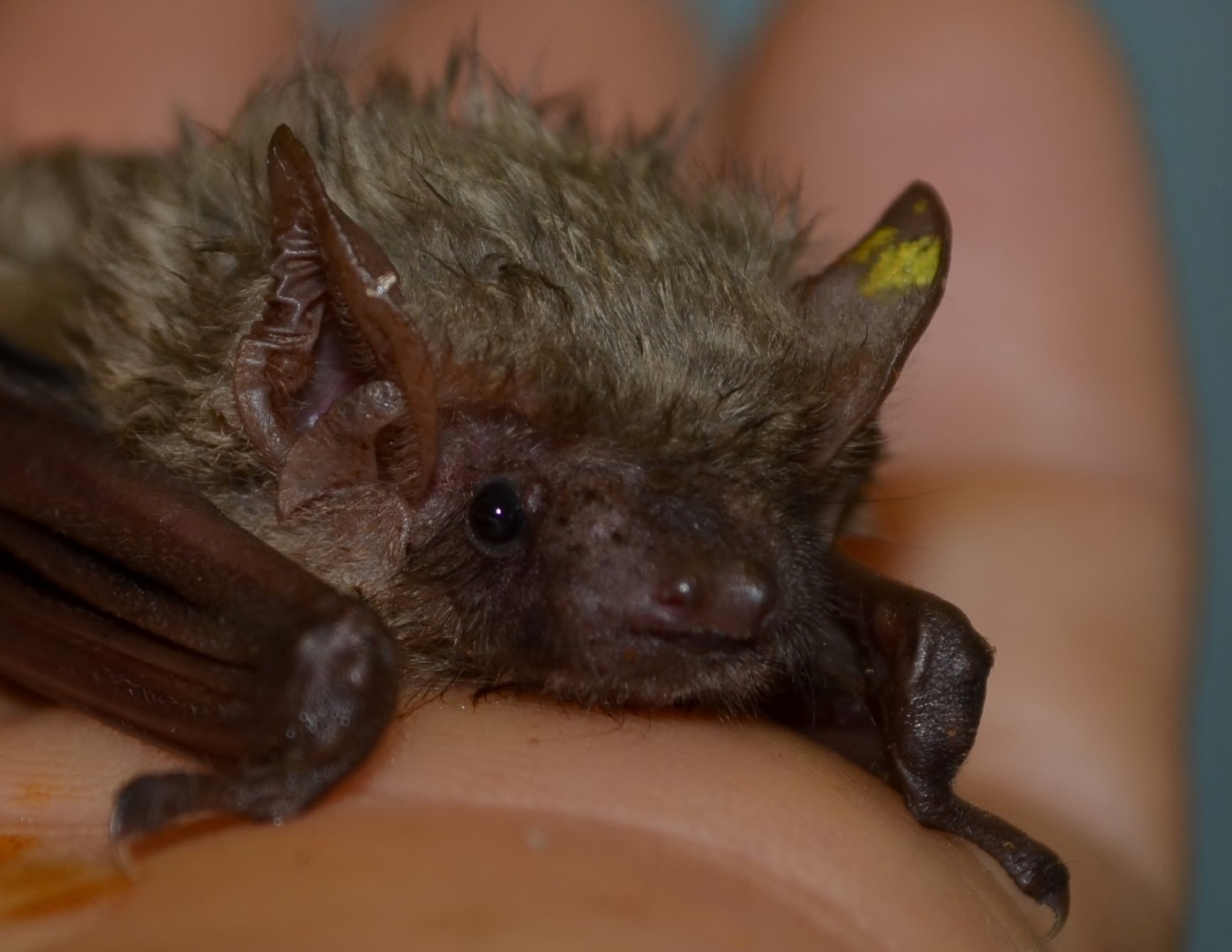
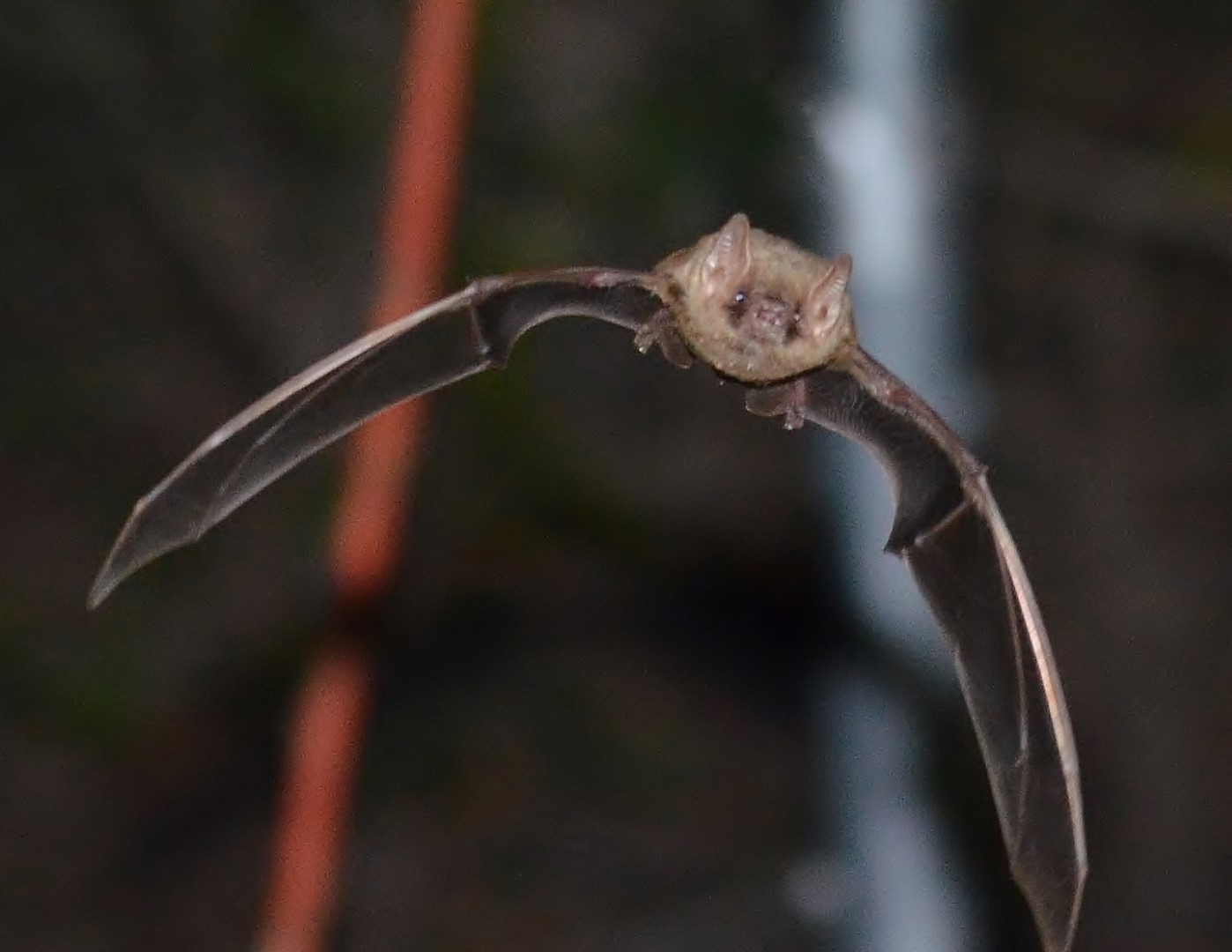
Palm tree specialists that have moved north into Austin within the last five years, expanding their range as temperatures shift. A single palm can host both yellow bat species simultaneously.
Winter Storm Uri (2021) destroyed over 90% of Austin’s palms – every surviving palm is irreplaceable habitat.
- Same palm skirt protection guidelines apply as for Northern Yellow Bats
- A single palm can host both yellow bat species simultaneously
Hoary Bats (broad-leaf trees and pine trees)
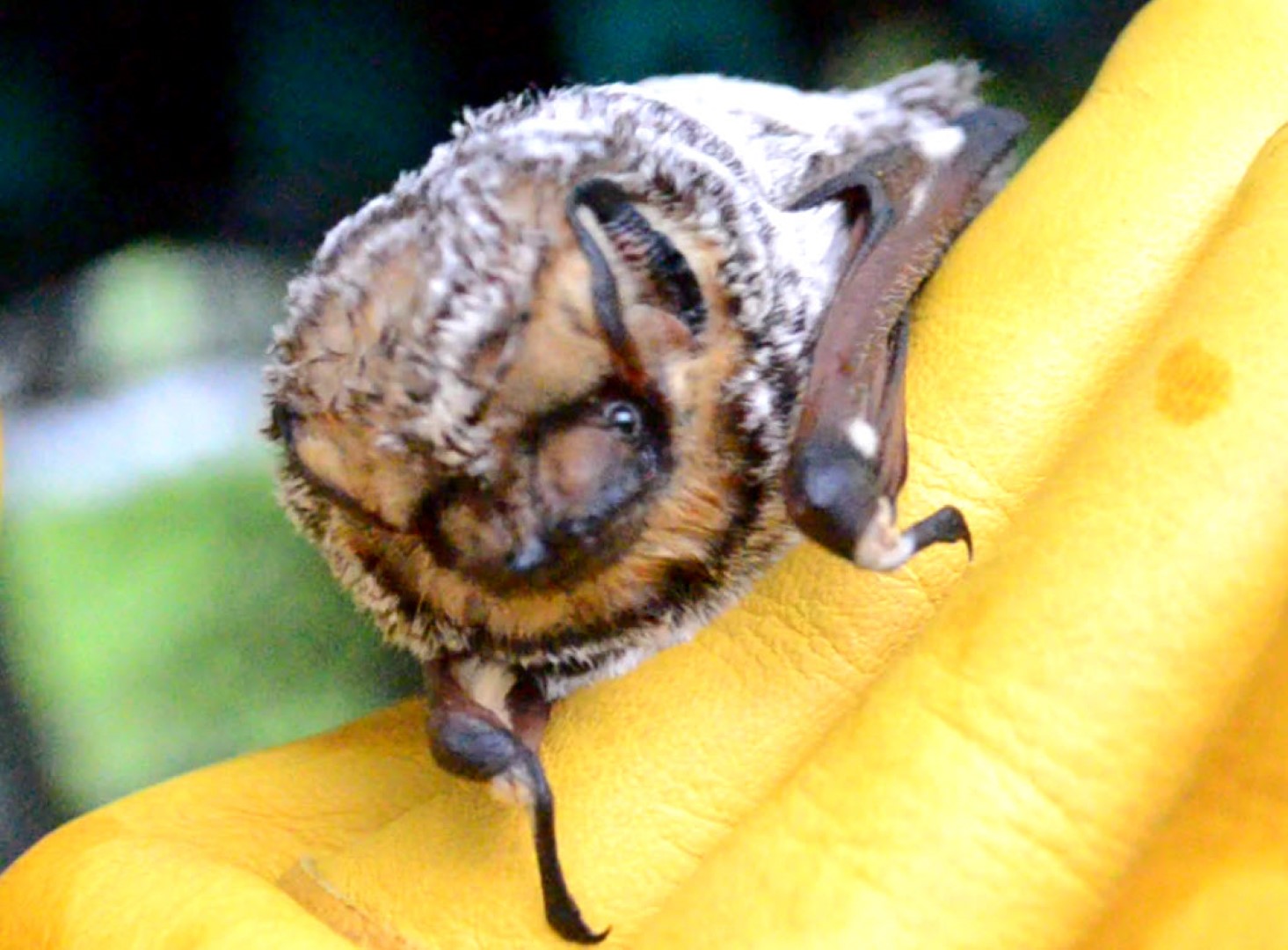
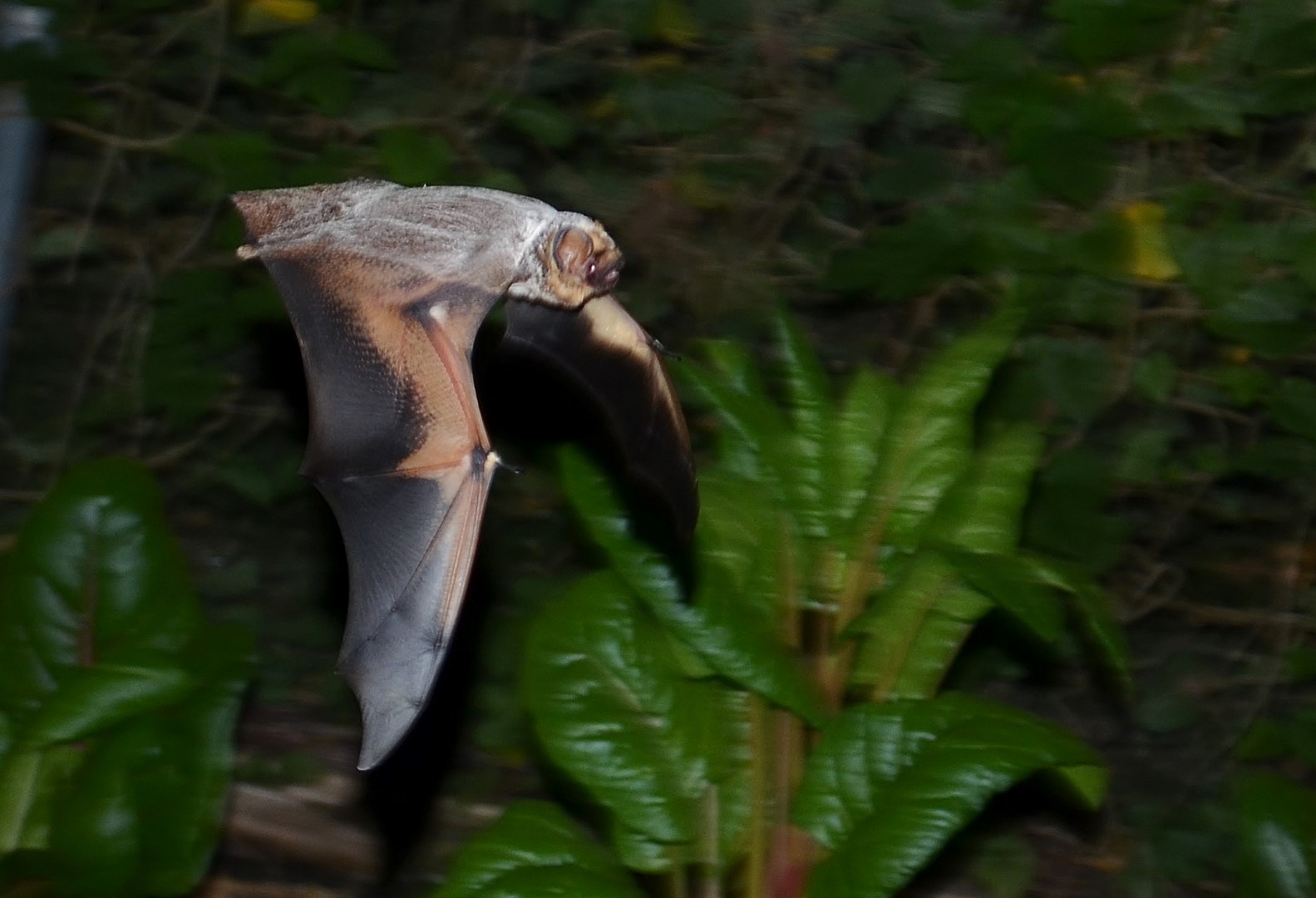
Use both broad-leaf and pine trees, and sometimes dead branches. A migratory species that passes through Austin seasonally. Document sightings – hoary bat presence is worth recording for conservation tracking.
- Always leave dead branches in place unless they present a direct hazard
- Dead branch retention benefits multiple species beyond bats
- Document sightings for conservation tracking
2. Water
Water is Life
If not within a quarter mile of water, consider providing shallow ponds with an open swoop zone. These can attract free pest control for community gardens. Kept shallow, they can be dipped out and poured on crops then sprayed out and refilled every few days.
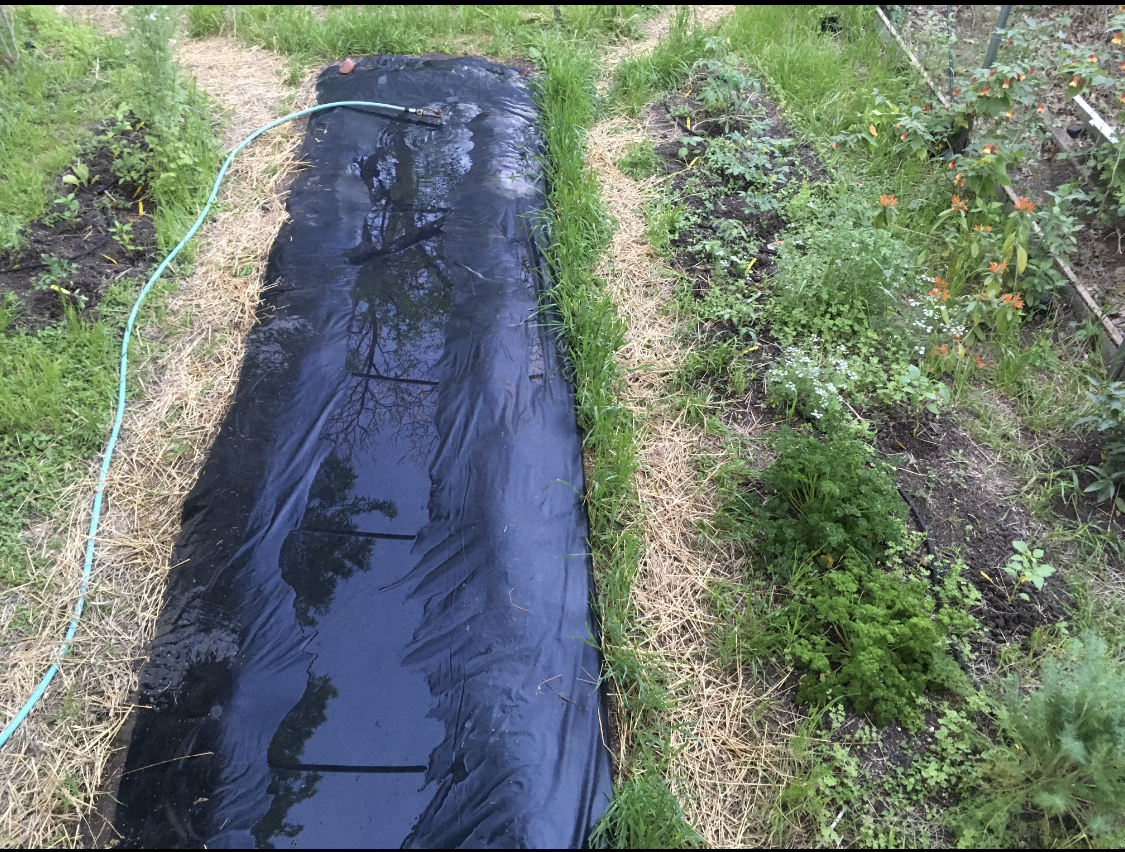
Crops & water troughs in the middle
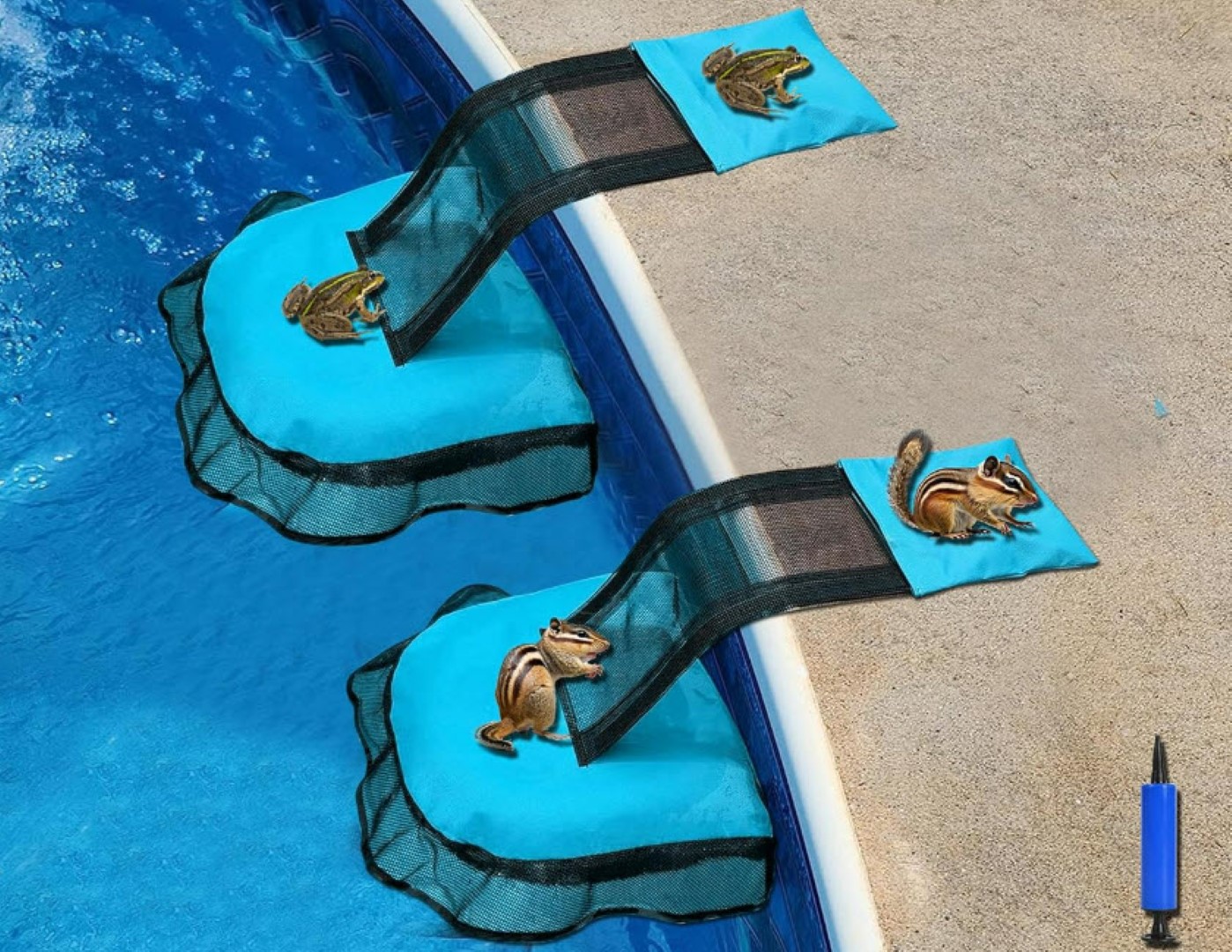
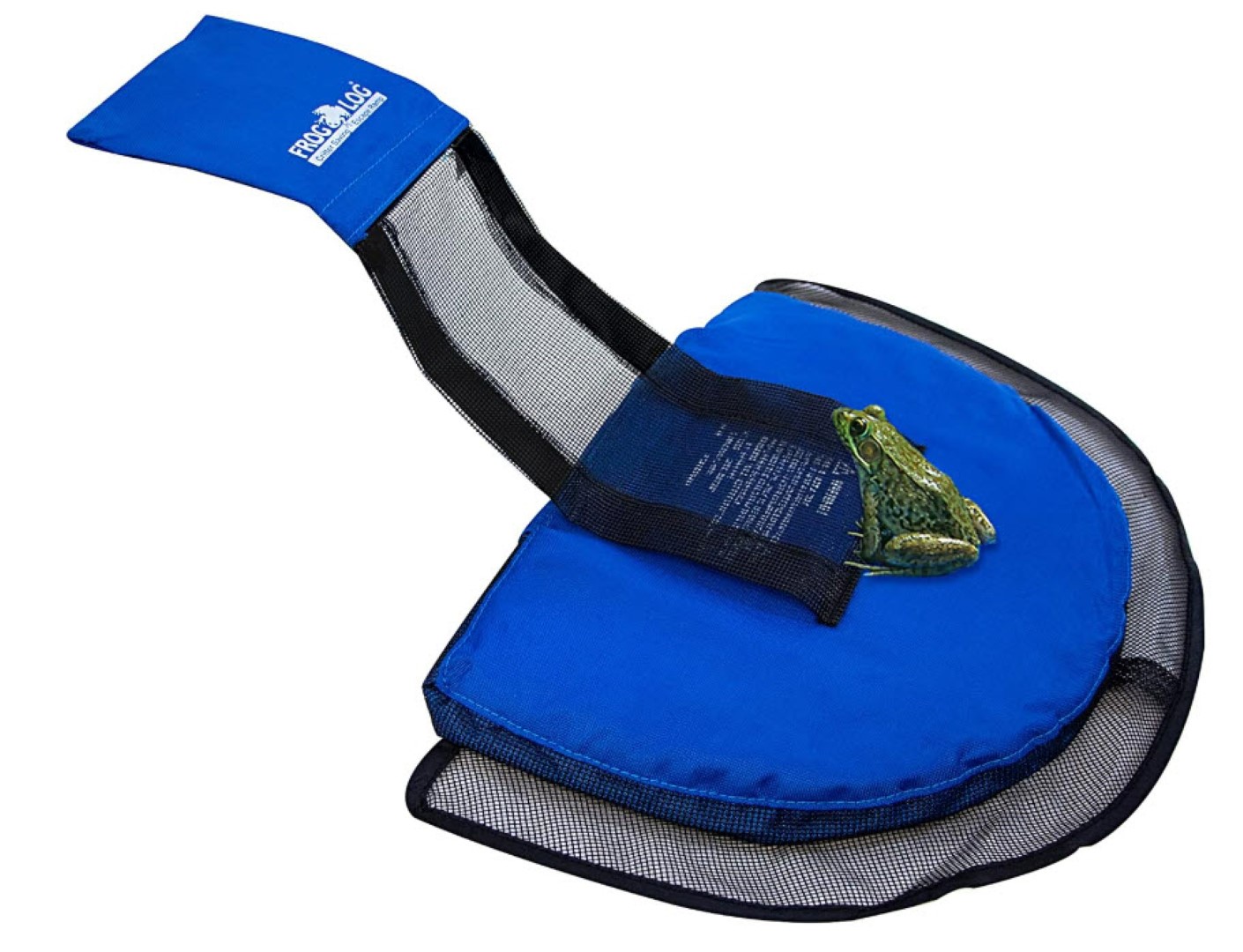
During droughts, lots of bats drink out of local pools, as after-hours swimmers at Barton Springs can attest. Bats do get caught in municipal pools, especially in mid-summer as inexperienced juveniles learn to drink on the wing. An inexpensive (~$20) way to keep bats (and frogs, etc.) from drowning is to install a few Frog Log type products, which allow them to escape.
Frog Logs save bats too – they float like a lily pad and provide an escape ramp (~$20)
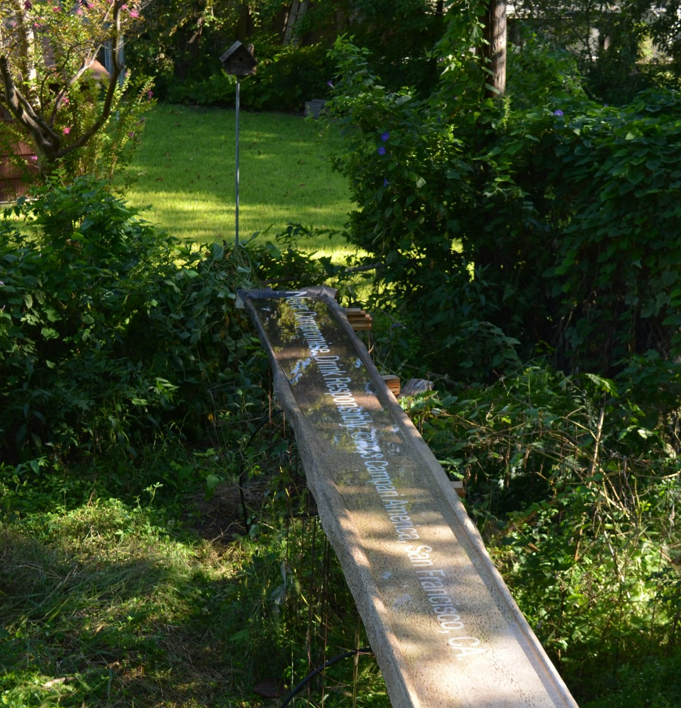
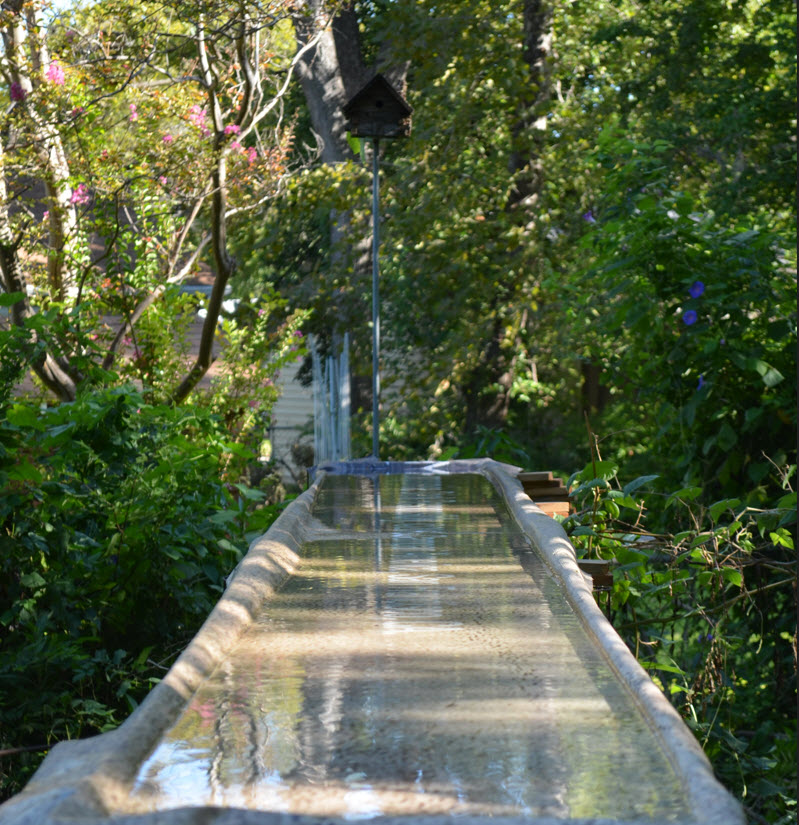
Maintain open swoop zones in the vegetation where local creeks pond up, so that bats can use them as seasonal water sources. Consider elevated drinking troughs if an area has lots of low-growing plants – these can be placed on top of tomato cages in community gardens if needed.
Elevated drinking troughs – effective where ground-level water is inaccessible for aerial drinkers
3. Food
Plant native trees, shrubs, and perennials and avoid pesticides. Lots of information is available on our Gardening for Bats page.
Native, night-blooming shrubs and perennials attract moths that have evolved to feed on the nectar and lay their eggs on specific host plants.
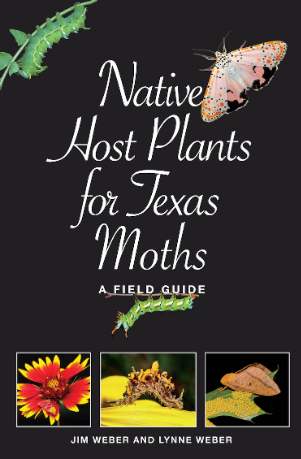
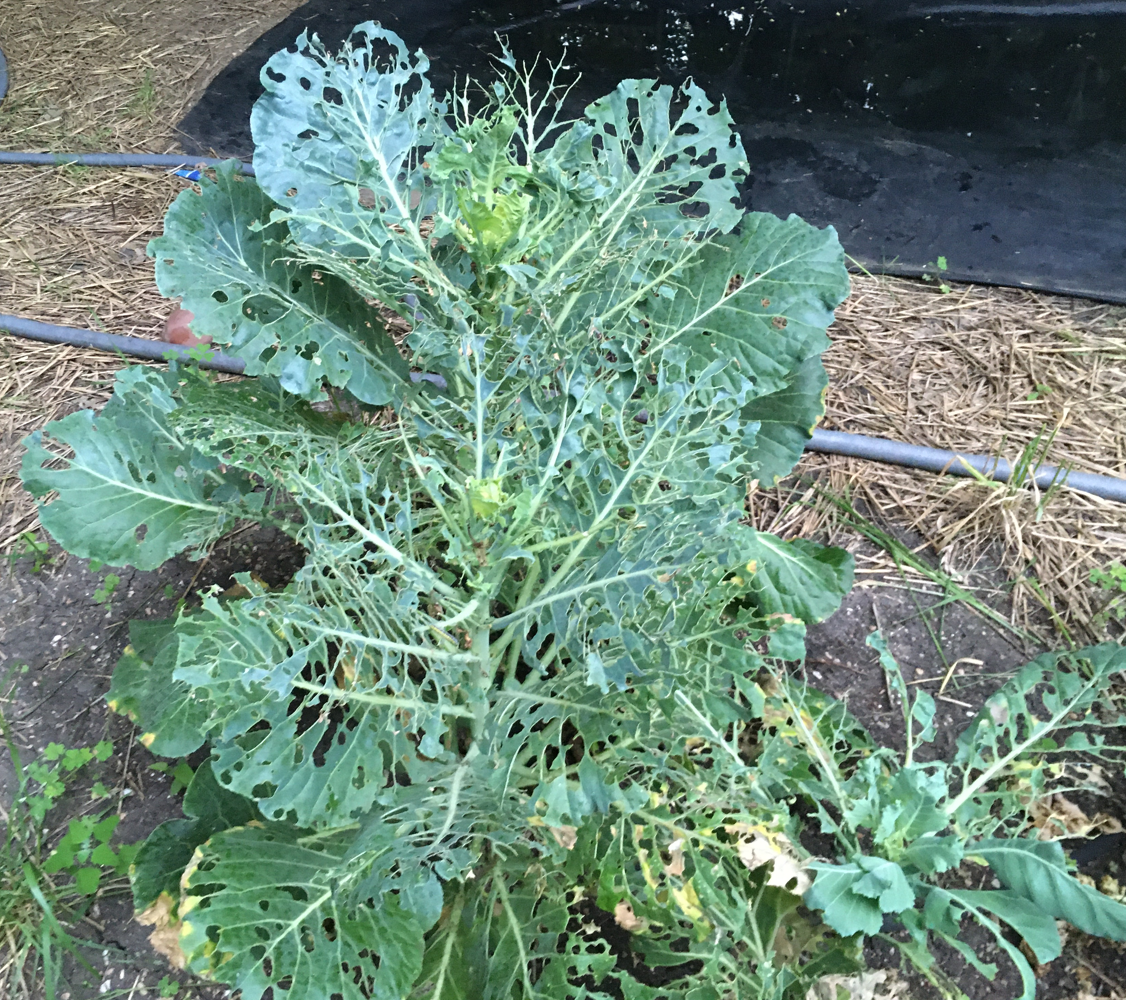
Native host plants feed the moth pipeline that feeds Austin’s bats
Tree-dwelling bats hunt around pecan trees and other native habitat in our parks and elsewhere in the urban forest, in pocket parks and backyards. Bats provide free pest control for hickory shuckworm moths, pecan caseborer moths and a whole host of other crop pests. Pesticides kill bat food.
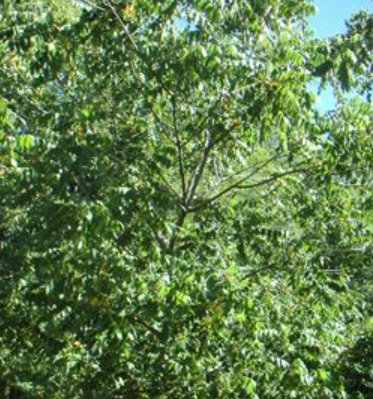
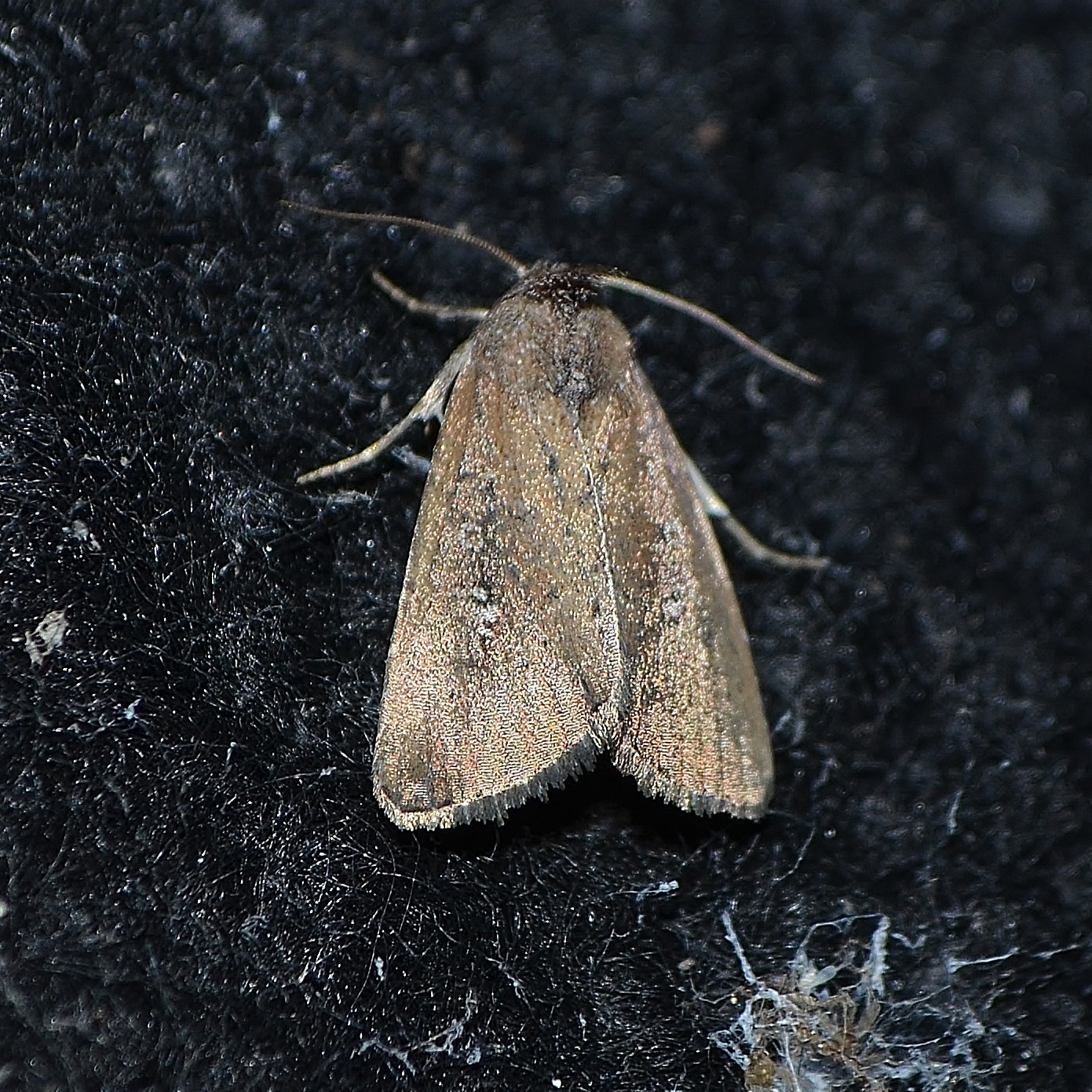
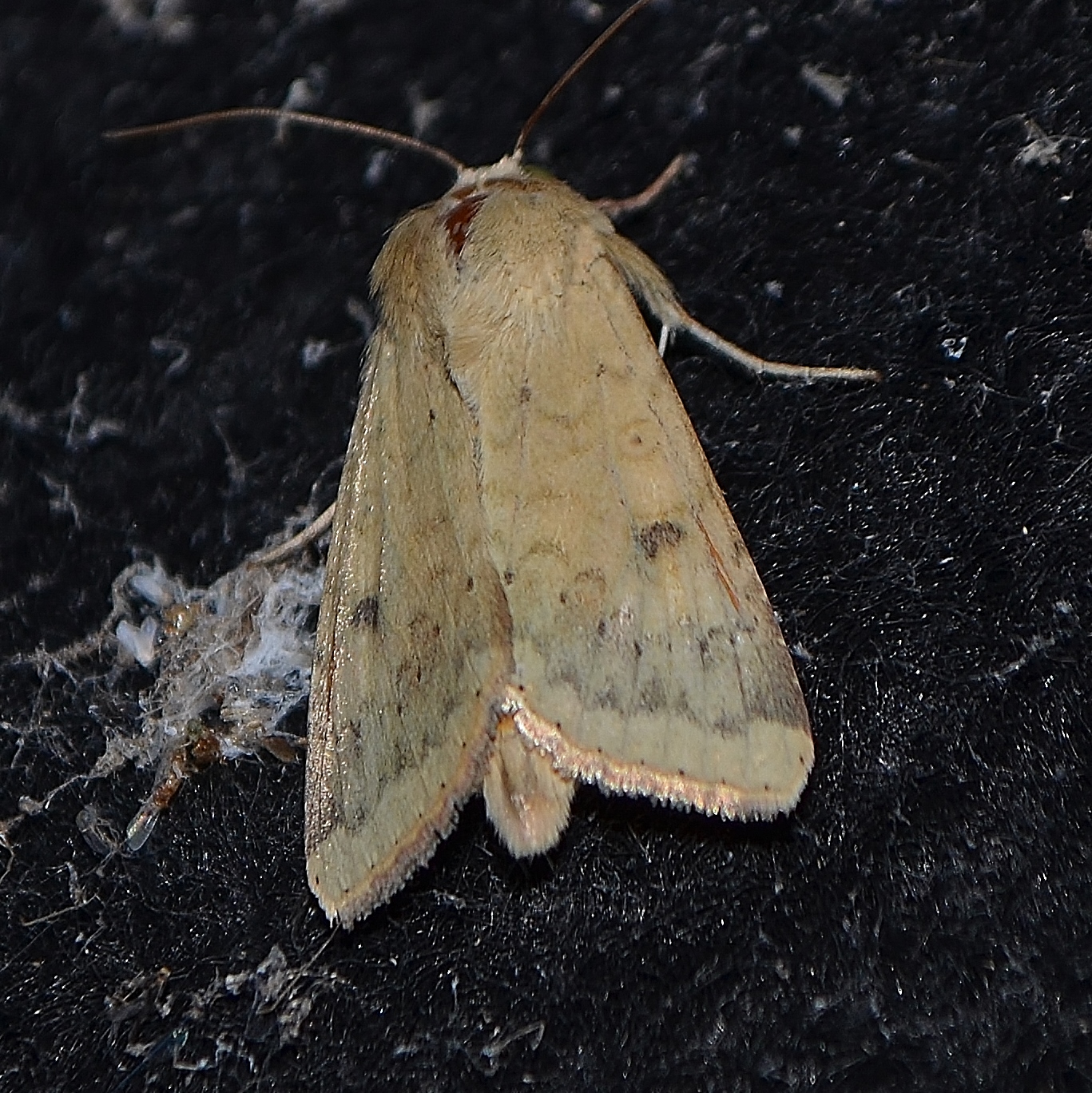
Pecan trees and native moths – the foundation of Austin’s bat food web
No Pesticides. Ever.
Pesticides kill bat food. Even “targeted” applications reduce the insect diversity that bats depend on. A park managed organically is a park that feeds bats.
Recommended Native Plants
These plants attract night-flying moths and other bat prey insects. Plant for a year-round bloom cycle to support foraging across seasons.
See Full Plant List
Our Gardening for Bats page has detailed plant profiles and planting guidance for Austin’s climate.
4. Safety
Safety Works Both Ways
Peaceful coexistence is usually thought of as how humans can be safe around bats, but the converse is also true; bats need protection from direct harm by fearful humans. Developing respect for bats does both: Our mission statement is “To promote respect for bats and their place in the environment through education, conflict-resolution, rehabilitation and release.”
Education
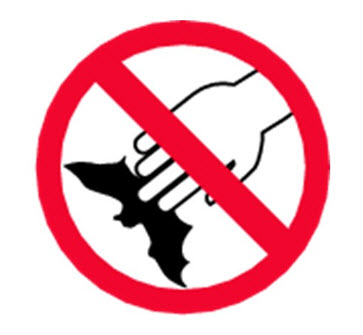
The Congress Avenue Bridge signage – “Never handle a grounded bat” – has kept thousands of bat watchers safe for over 40 years without a single incident. Post clear, calm signage near known bat roost areas and train park staff to call us first: 512-695-4116.
Conflict Resolution
If bats have moved in somewhere undesirable, then consult with us – we’re happy to share our expertise. Bats should not be allowed to move into the joints of structural masonry arched bridges such as those found in old Austin. These bridges must be repointed to avoid collapse. We consulted with the City of Austin on exclusion of bats from the old arched bridge at 6th St. over Shoal Creek.
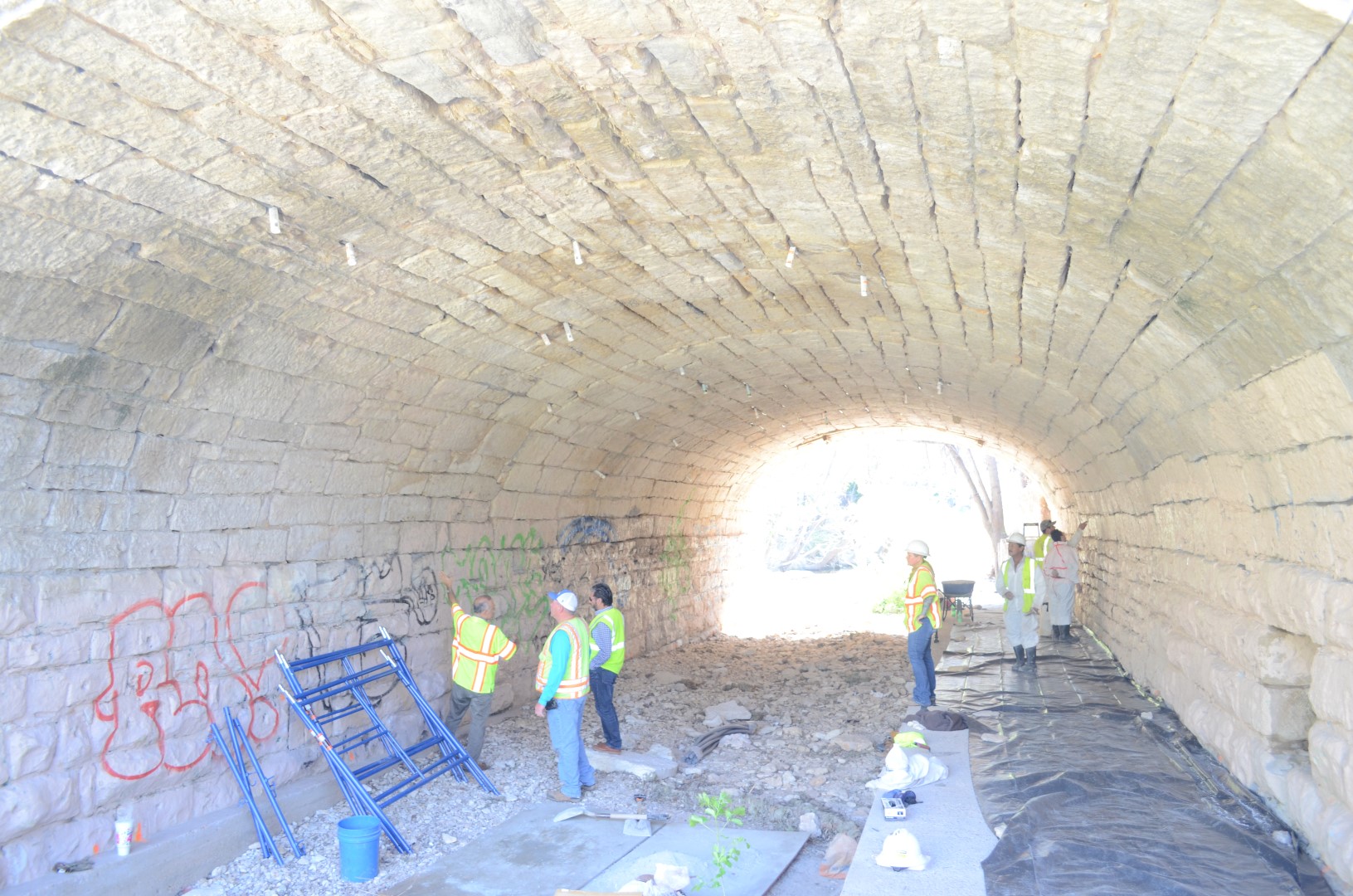
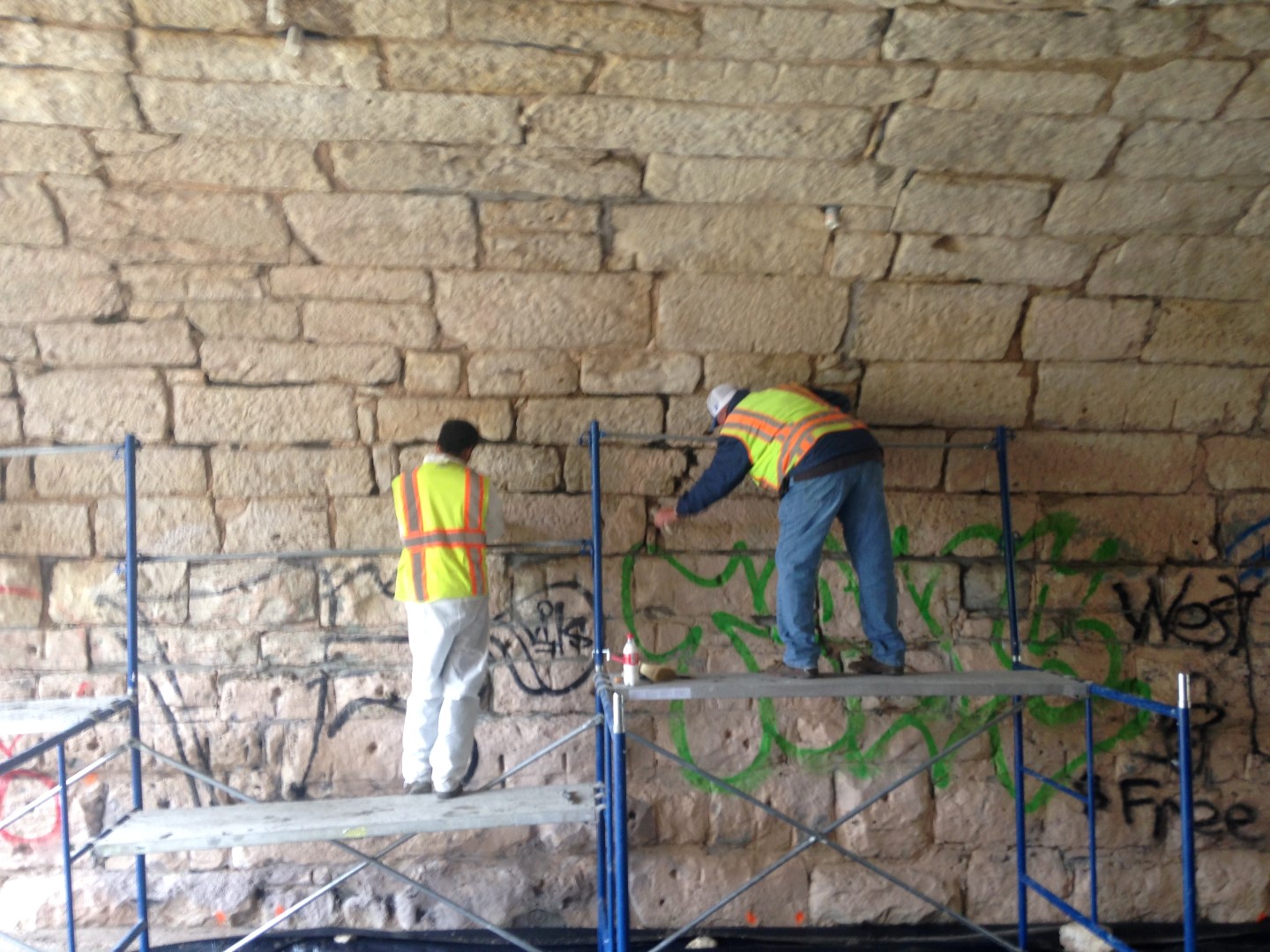
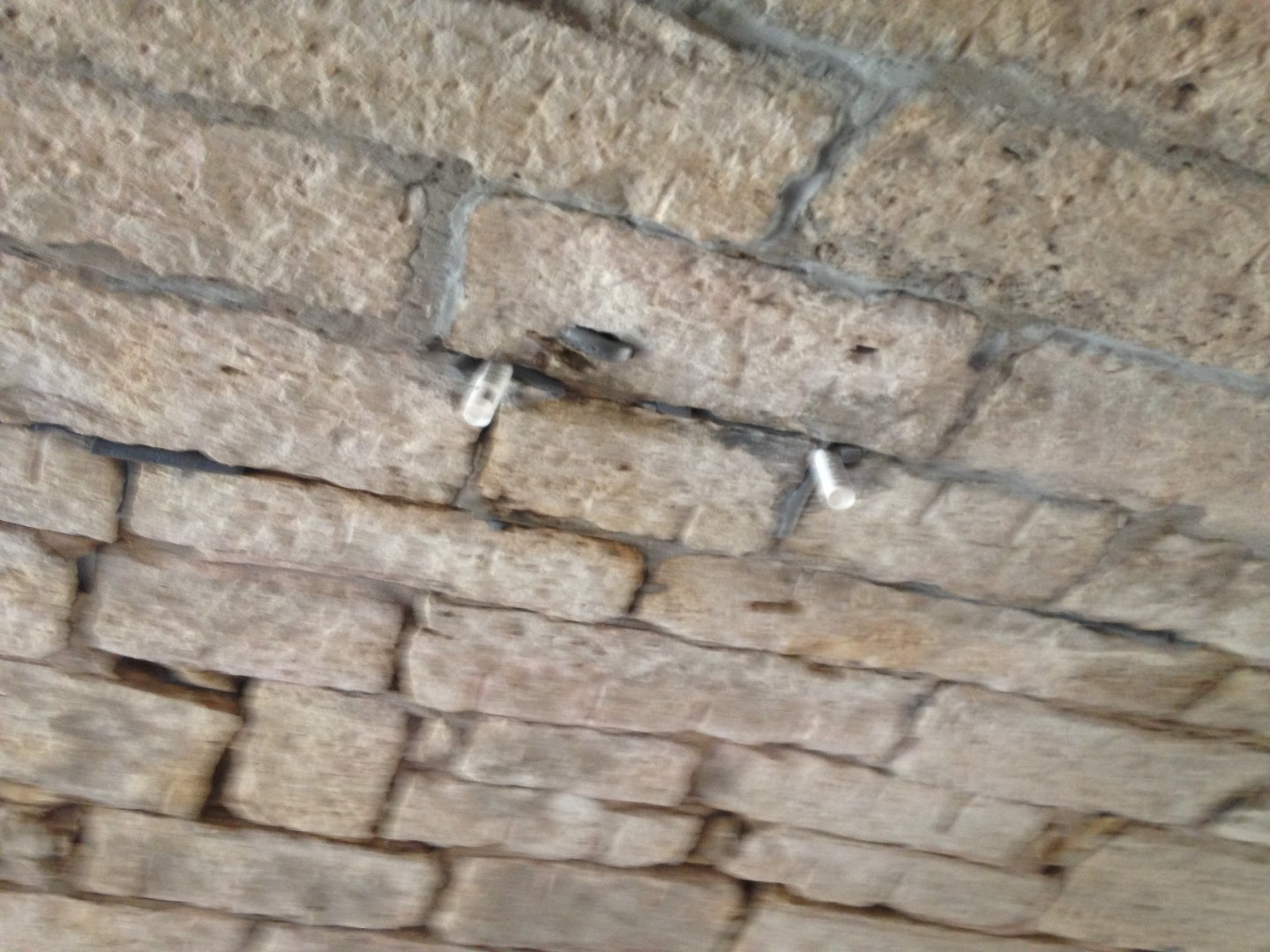
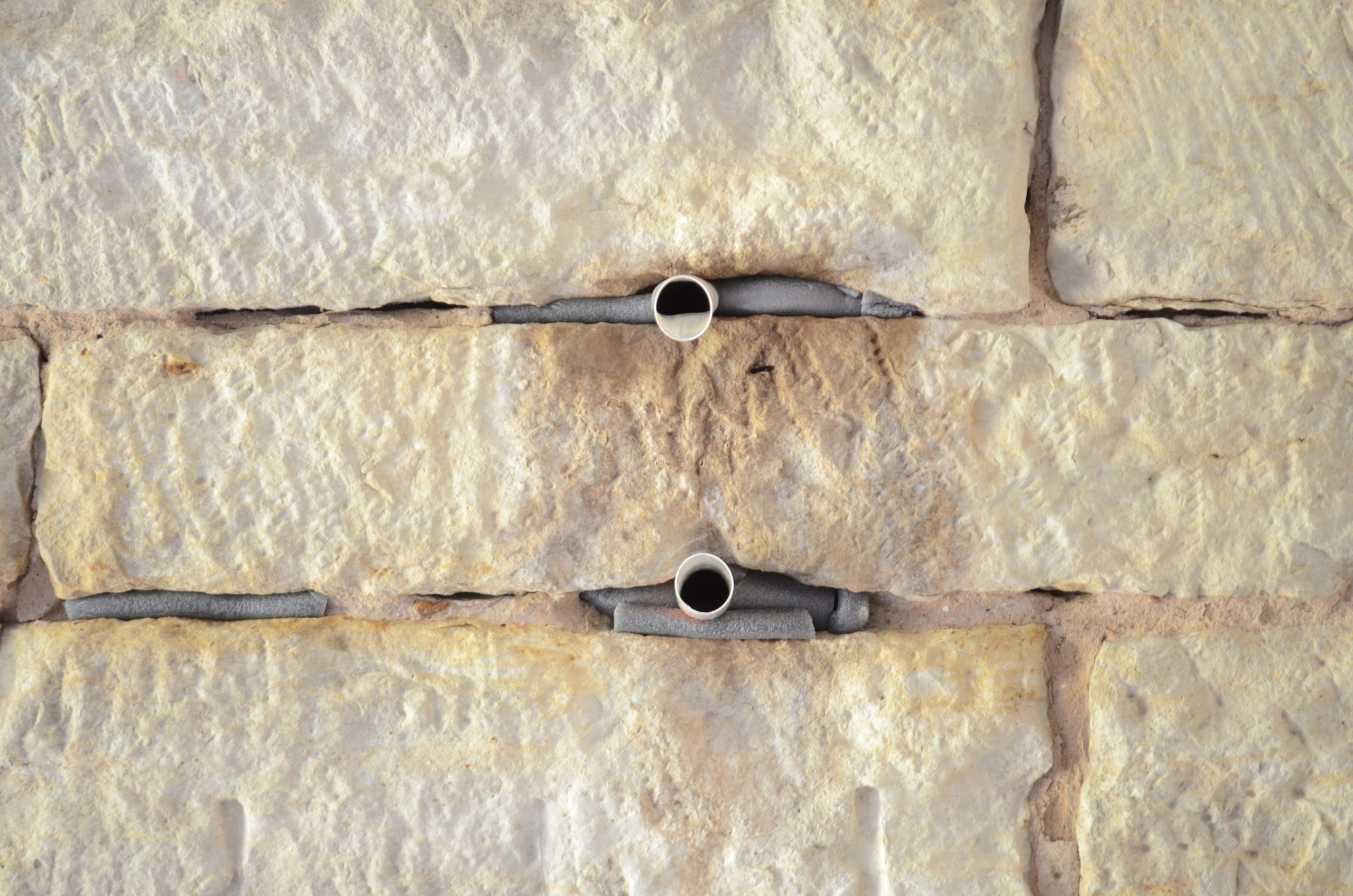
Exclusion tubes installed in mortar joints – allow bats to exit but not re-enter
Rehabilitation and Release
If someone reports a grounded bat or one that is hanging low and exposed, get their contact info and make sure to find out what they know about the circumstances. Ask them if they witnessed the bat fall or become grounded, and if they know if anyone barehanded the bat. If it’s obvious there has been no chance of contact with a human or pet, then we are happy to rehabilitate the bat.
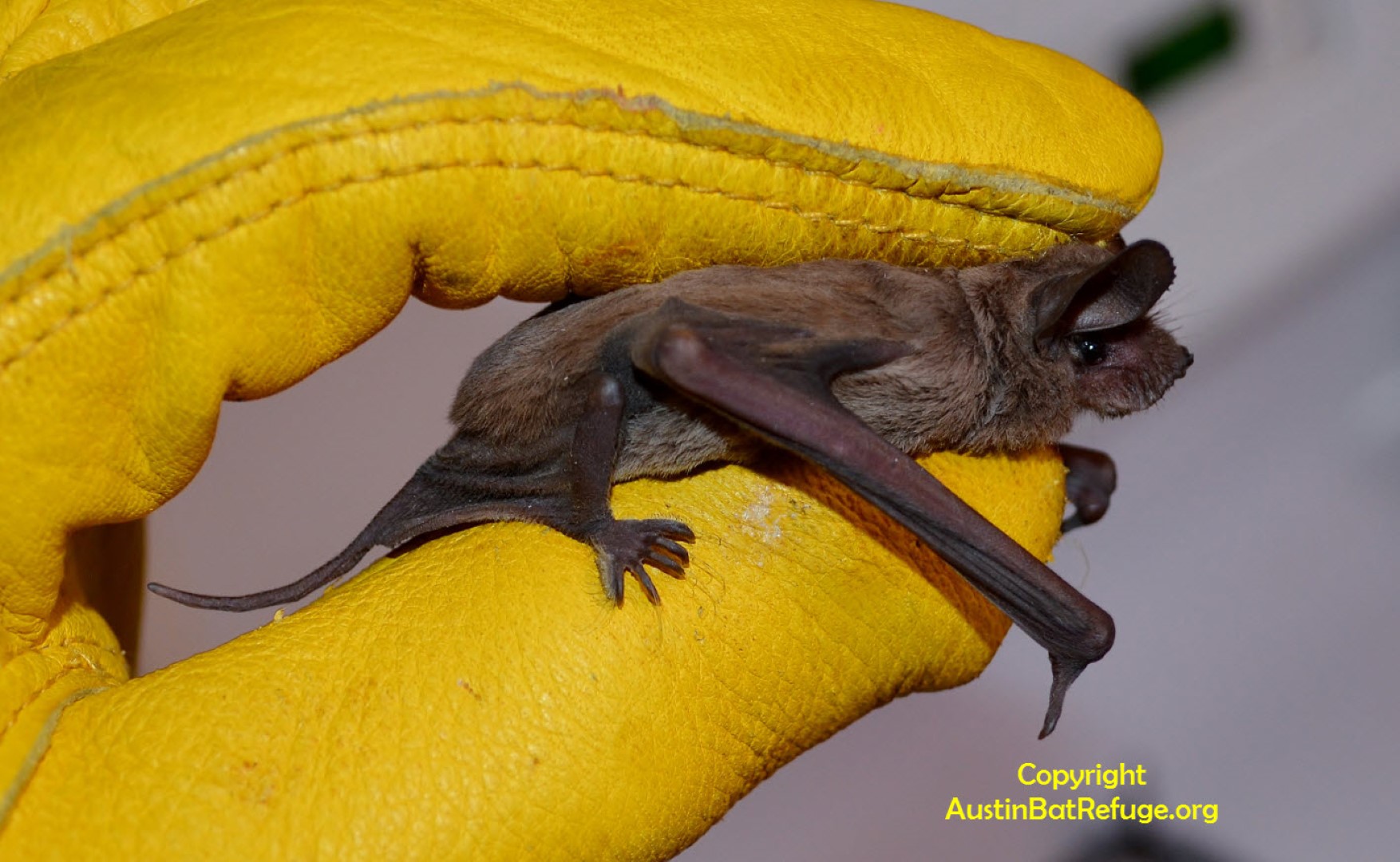
If someone has been bitten by the bat, then it must be tested for rabies, which requires euthanizing the animal. You can’t test a living animal for rabies. If there has been no contact with humans or pets, testing them for rabies is a waste of a resource, health department budget, and a precious life. Calling Austin Bat Refuge will divert such bats from needless euthanasia, while still safeguarding public health.
5. Enrichment
NOT NECESSARY!
In fact, bats enrich US by the gusto with which they live. Just being born a bat is all the excitement any living being could ask for. Watching them answer the call of the wild, as they are released after rehab, the “joie de vivre” is palpable as they leap into flight.
No one forgets the excitement of the Congress Avenue Bridge bats as they burst out of their roost in spectacular flight on a warm summer evening. That excitement inspires passion to protect these bats in all who witness this nightly event.
In Summary
Bats are the only mammal capable of true flight. The name of their Order, Chiroptera, means “hand-wing”. Since their hands are their wings, when they fly, they are waving at us! Be friendly and wave back. And let’s use bat-friendly practices when maintaining Austin’s green infrastructure and the built environment.
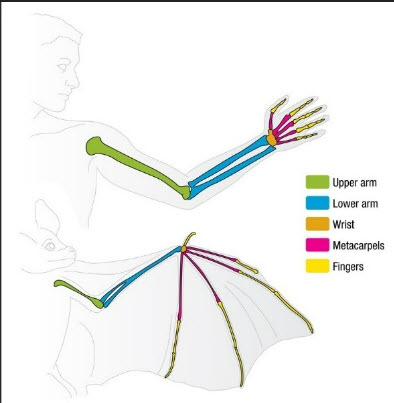
Chiroptera: “hand-wing” – the bat’s wing IS its hand. When they fly, they’re waving at us.
Every park decision is a bat decision
Let’s use bat-friendly practices when maintaining Austin’s green infrastructure and the built environment. Every decision in park management is also a bat management decision.