BONN (IDN) – As efforts are stepping up around the world to prevent the further spread of the coronavirus disease (COVID-19), there are alarming reports that some communities and governmental authorities are targeting the wrong enemy: bats.
Not only will killing bats not stop COVID-19; it could also do irreparable harm to a mammal which poses no risk to human health in its natural environment, and which provides enormous benefits including pollination, seed dispersal and pest control.
First, let’s look at what we know. Bats do not spread COVID-19. COVID-19 is being transmitted from humans to other humans. Virologists are in total agreement that the spread of the virus across the planet has been due to human to human rather than animal to human contact. Moreover, there is no evidence that bats infected humans with COVID-19 to begin with. Inaccurate reports suggesting otherwise may be contributing to the ill-advised killing of bats.
Second, scientific investigations are still ongoing as to the exact origins of COVID-19. There is consensus that COVID-19 is one of a class of “zoonotic” diseases – diseases that are initially transmitted from animals to humans. However, it is how and why this likely occurred that is important, so that the right preventative measures can be taken in the future.
One focus of the investigations is on the so-called “wet market” in Wuhan, China, which sells live animals, pigs, poultry and sea food — as well as many types of wild animals. Rodrigo Medellin, who serves on the Scientific Council of the Convention on the Conservation of Migratory Species of Wild Animals (CMS), and is Co-Chair of the IUCN Bat Specialist Group, is calling for an assessment of the risks of trading in live and dead specimens of animals in such markets. Conditions there are thought to be conducive to the spillover of viruses between different species, ultimately resulting in a mutation that is carried and transferred by humans, as is the case with COVID-19.
Zoonotic diseases account for approximately 60 per cent of all known infectious diseases in humans. While some zoonotic diseases have been linked to viruses in bats, bats themselves are not the problem. Bats harbor viruses, but so do other species, including humans. There are millions of viruses in the world, most of which are beneficial. The cause of zoonotic diseases in people is not the existence of viruses in wildlife, but the kinds of human interactions with wildlife that can result in these transfers.
Some scientists also point to human destruction and encroachment of natural ecosystems as another culprit in the cause of zoonotic diseases. Various studies confirm that the conservation of wild species of animals and their habitats will help reduce the occurrence of such diseases in the future.
There are some 1,400 bat species living in the wild around the world. Many have adapted to urban environments, living in backyard gardens, urban parks and even roosting under bridges, without posing the slightest threat to their human neighbors. But with destruction of their natural habitat and centuries of negative associations, superstitions, myths and legends, many bat species are in danger of extinction. Dozens of bat species are protected by CMS, and particularly by a specific agreement covering most European countries known, fittingly, as EUROBATS. But much more needs to be done to ensure the survival of bats around the world.
This is not the first time that in a state of panic, humans have looked for quick but misplaced solutions which can cause significant damage to natural habitats and species. At the height of the 2006 avian influenza outbreak, there were calls for widespread culling of migratory waterbirds and the draining of their wetland habitats. In fact, wild birds were mainly victims of the outbreak, not its cause, which was found to be domestic fowl rearing and their trade.
The most urgent action needed to combat COVID-19 is to stop its transmission, which is from humans to humans. In the longer term, we need to examine and stop specific human practices and uses of wild animals, and the widespread destruction of natural habitats, in order to prevent another such terrible event in the future.
Amy Fraenkel is the Executive Secretary of the United Nations’ Convention on the Conservation of Migratory Species of Wild Animals
Rodrigo Medellin
Do Not Be Deceived – Bats In Real Life Are Your True Friends
Great video from The Bat Man of Mexico
NASBR condemns racism and discrimination NASBR Statement of Support for Black Scientists
Dear Lee Mackenzie,
The North American Society for Bat Research (NASBR) is saddened and moved by the long history of violence against the Black community and the systemic racism and intolerance that pervades the United States, including the role that scientists have played in perpetuating racism. We strongly condemn racism and discrimination in all forms, and we believe that science and society at large are best served when people treat each other with compassion, civility, encouragement, and mutual respect. We believe that Black lives matter. NASBR stands with our Black members, as we do with all members who are people of color. Our Society and its mission are enriched through the diversity of our members. We are committed to being better allies and advocates for all minoritized groups. However, we recognize that our Society’s membership is not reflective of the racial diversity of people in North America, and we aim to change this. Creating an inclusive, diverse, and equitable Society is part of our values, and we strive to continue moving NASBR towards this goal. To achieve this, we are establishing a fund specifically devoted to bringing Black student researchers to our annual conference. Members will provide the initial monies to create this fund, and we will seek funding from larger diversity initiatives to sustain this effort. We will continue to promote participation by people of color in our scientific and educators’ sessions. We will reserve time during our annual conferences for purposeful collaboration towards developing long-term solutions that will allow us to overcome our deficits. We acknowledge that there is much more work we need to do, and the NASBR Diversity, Equity, and Inclusion Committee and Board of Directors are eager to work with and to challenge our members to drive positive change. As always, we welcome discussion. We are listening, we will not forget, and we will do better. Sincerely, NASBR Board of Directors www.nasbr.org
Acknowledge, Dismantle, and Eradicate systemic racism in Austin.
As the weather is warming, more and more bats will be returning to Yolo County from their winter migration. But is that a cause for concern for the area?
A negative stigma has always followed bats stemming from fictional associations with vampires to nonfictional links to rabies and coronaviruses. A recharged villainization is taking place thanks to the connections between the outbreak of COVID-19 and Chinese Horseshoe bats.
“This villainization of bats is not new, it’s just much worse right now because of the current coronavirus situation,” said Nistara Randhawa, a veterinary epidemiologist, and a postdoctoral scholar at the UC Davis One Health Institute. “The problem comes when we go out and start disturbing spaces that bats live.”
Corky Quirk of NorCal Bats feeds a live mealworm to a ‘Big Brown Bat.’ Quirk said she has been fielding questions from people wanting to know if bats spread the coronavirus. MIKE JORY-MEDIA NEWS GROUP ARCHIVES
Corky Quirk, a program coordinator for the Yolo Basin Foundation and a volunteer with the wildlife rescue group, Northern California Bats, said that she has been receiving a variety of calls form people that are concerned about whether or not the bats in North America carry the coronavirus.
“I appreciate when people call and ask,” Quirk said. “Sometimes, people are right, and sometimes they are wrong when they jump to their own conclusions, so I’m glad people are looking for more accurate information.”
If a bat is at your home, Quirk suggests gently nudging them at dusk to make them uncomfortable, so they leave, instead of opting to kill or hurt the animal.
According to Quirk, there are around 45 species of bats in the United States, 25 in California, and 17 in northern California.
Around a fifth of all the world’s mammals are bats.
“The DNA of this current virus may be traced to a species of Horseshoe bat in Asia,” Quirk said. “Bats in the United States evolved away from the common ancestor millions and millions of years ago. They are not even closely related. They just happen to be in the same order of animals.”
Woodland buildings are well known for having bats, as are the ones in Davis and West Sacramento. The positives bats provide far outweigh any potential fears over diseases.
“People should really think about what the bat does,” Randhawa said. “The bats are eating pests and insects keeping the insect population down. In Southern California, we have bats that pollinate. They are extremely valuable to the ecosystem.”
Bats may be more likely to get sick from humans than the other way around.
“No, people should not be concerned if they see a bat,” Randhawa said. “The cases are happening because of human to human transmission. The likelihood of humans giving COVID-19 to bats we don’t quite know, but the likelihood of bats giving it to humans is extremely unlikely because these bats have just evolved differently.”
There is such a concern in the other direction that the United States Fish and Wildlife Service has asked scientists to stop bat studies temporarily, for the animal’s safety.
“In California, they are allowing us to take bats into rescue, but they are asking us not to release them once they have healed”, Quirk said. “I’ve had a bat that was trapped in a building in Woodland for a couple of weeks now. Normally I would let her go, but she will stay with me indefinitely until the research is complete as to whether or not humans can make the bats sick.”
As a part of her work with the Yolo Basin Foundation, Quirk is involved in the Bat Talk and Walk event that takes place in June out in the Yolo Bypass Wildlife Area.
Following a 45-minute indoor presentation on bat natural history, a group will carpool out to the Yolo Bypass Wildlife Area to watch the “flyout” of the largest colony of Mexican free-tailed bats in California. The whole experience takes about three hours.
The event looks to be at risk of not happening this year.
First off out of concern for human health, we are waiting to see what the recommendations are for shelter in place,” Quirk said. “We are also discussing how those events could look different if indeed we are or aren’t able to begin to gather again. Whether it’s fewer people or something like that. We’ve looked into having a virtual walk as well.”
According to the Yolo Basin Foundation’s website, the 2020 Bat Talk and Walk session is on hold due to current shelter in place and social distancing recommendations
.”June is pretty far out, but we are trying to figure out alternatives,” Quirk said. “But there is nothing like seeing the animals fly. So I would be sad if we are not able to share that experience. If virtual is the case, then so be it, but we are hopeful that we will be able to share about the bats.”
But if it were to go on as planned, there should be no concern.
Something like the bat walk would be perfectly safe,” Randahawa said. “Your’e not getting close to the bats, and you’re not doing anything that will transfer anything to them.”
Researchers explain why ‘mass hysteria’ is uncalled for
Bats are critical for the survival of several ecosystems | Credits: Devna Arora
Bengaluru: A group of 64 chiropterologists or bat researchers, scientists, and conservationists from six Asian nations released a statement Friday expressing concern about increased stigmatisation and killing of bats due to “unverified opinions” on these mammals as the source of Covid-19.
The statement was released in response to rising demands by people to kill or remove bats from human neighbourhoods and other natural habitats they occupy.
In the seven-point statement, the chiropterologists have explained how bats haven’t yet been confirmed as the source of the novel coronavirus (the mammals are considered to be the most likely source, but definitive evidence has not been found yet).
They also discuss how bat viruses cannot directly infect humans and there is no evidence that bat faeces can transmit viruses to people.
The statement lists the ecological benefits and vital functions that bats fulfill in terms of pollination and crop protection. It also clarifies that discovery of bat coronaviruses in two species in an Indian Council of Medical Research study poses no health hazard.
The full text of the statement is below:
The world is currently battling a pandemic of unprecedented proportions and bats have been prematurely implicated as the source of COVID-19. Recent social media posts and unverified opinions about bats have led to widespread antipathy and fear in the general public. Incidents of the public requesting for removal of bats, destroying bat roosts, bursting crackers or smoking them out and sealing crevices where bats and their pups roost has increased in the last month both in urban and rural areas in India [1,2]. In this challenging time, we, as people involved in bat conservation at different capacities, would like to clarify that bats do not pose a direct human health hazard. On the contrary, we highlight the role of bats in improving the ecosystem, economy and human health. The following points are listed out in this summary and are elaborated.
1. The exact origin of SARS-CoV-2 or its precursor is not known. It is premature and unfair to blame bats or any other animal for the pandemic.
2. Scientists strongly suggest that it is highly unlikely for SARS-like viruses to jump directly from bats to humans. Also, there is no evidence of humans contracting coronavirus or any such viruses through the excreta of bats .
3. The recent report from the Indian Council of Medical Research (ICMR) on the discovery of bat coronaviruses (BtCoV) in two species of South Asian bats poses no known health hazard. The viruses found in the study are different from SARS-CoV-2 and cannot cause COVID-19.
4. Information on the current, and past zoonotic disease outbreaks suggest that global wildlife trade and/or large-scale industrial livestock farming play an important role in such events. Killing bats and other wild animals, or evicting them from their roosts in retaliation is counterproductive and will not solve any problems.
5. Bats perform vital ecosystem services. They pollinate the flowers of some mangroves, and many other commercially and culturally important plants. Insect-eating bats are voracious eaters of pest insects in rice, corn, cotton and potentially, tea farms.Therefore, bats benefit ecological and human health, and provide intangible economic benefits.
6. The society currently needs more awareness about the bats around them in addition to epidemiological facts for a healthy coexistence. We therefore, request media houses and the press to consider possible negative impacts of their statements on bats and other animals before releasing them.
7. Lastly, we urge the governments of South Asian countries to strengthen the legal framework to protect bats in view of their ecosystem services and their slow breeding capacity.
On the origin and transmission of SARS-CoV-2
The actual origin of SARS-CoV-2 is highly debated among scientists. SARS-CoV-2 appears to be similar to another coronavirus RaTG13 found in a species of bat called the Intermediate Horseshoe Bat (Rhinolophus affinis) [3]. However, a recent study has shown that RaTG13 and SARS-CoV-2 diverged 40-70 years ago from each other (a long timespan for the evolution of viruses) and hence the direct transmission of SARS-CoV-2 or its precursor from bats to humans is improbable [4,5]. Moreover, the surface proteins of all SARS-like viruses found in bats cannot bind efficiently to the corresponding receptors of the human lung epithelium which makes direct transmission even more unlikely [4].
It is also highly improbable that the faeces of bats pose an immediate health risk to humans and, none of the previous zoonotic disease outbreaks, globally, show any evidence that they were caused due to contact with bat faeces [6,7,8]. However, fungal infections (for eg. Histoplasmosis) may arise from unprotected contact with the faeces of any wild animal, so following basic hygiene rules is advised.
Coronaviruses in two species of Indian bats
None of the South Asian bats are proven to be natural reservoirs of SARS-CoV-2. Recently, a study by the Indian Council of Medical Research (ICMR) found bat coronaviruses (BtCoV) in the common Indian Flying Fox (Pteropus medius a.k.a giganteus) and Fulvous Fruit Bat (Rousettus leschenaultii) [9]. However, less than 5% of the screened samples contained this
BtCoV and, as the study mentions, it is very distantly-related to SARS-CoV-2 and hence cannot cause COVID-19.
Relationship between bats and zoonotic disease outbreaks
The real drivers of zoonotic disease outbreaks are predominantly man-made and many animals are carriers of viruses which could potentially spillover to humans. However, in recent times only bats are unfortunately in focus for being reservoirs of viruses. Like any other animal, bats are also reservoirs of many zoonotic viruses. However, being reservoirs does not mean that they spread diseases to humans. In reality, there is very little scientific evidence to prove bats have directly transmitted viruses to humans or caused outbreaks. The only known exception was the Nipah (NiV) outbreak in Bangladesh which was caused through indirect contact between bats and humans. As the cause of the outbreak was identified, it became easy to control and prevent subsequent outbreaks through basic precautionary and mitigation measures [7,10]. Habitat fragmentation, global wildlife trade and wet markets, large-scale industrial farming of wild and domestic animals have synergistic effects in bringing animals in close contact in unsanitary or stressful conditions—ideal conditions for the transmission and evolution of novel zoonotic viruses [11]. Hence, during such outbreaks there is no reason to single out or villainise only bats – whose benefits far outweigh the perceived negativity associated with them. .
Bats are beneficial for humans and the ecosystem
Bats perform vital ecosystem services all over the world. Fruit bats help pollinate globally important cash crops like durian [12] and agave (the plant that produces tequila) [13]. In South Asia, the culturally-significant tree Mahua (Madhuca longifolia) appears to be predominantly bat-pollinated [14]. In Nepal, Chiuri (Diploknema butyracea), a multipurpose tree for the rural populace is pollinated by bats [15]. Small fruit bats also pollinate the flowers of mangroves, which is an extremely productive ecosystem and also a natural barrier to coastal erosion and sea surges, thereby forming our first line of defence to natural disasters. Insectivorous bats, on the other hand, voraciously eat pest insects that cause economic losses in rice plantations [16] and also eat mosquitoes. For instance, bats are estimated to save ~800 million USD for cocoa farmers in Indonesia [17] and ~22 billion dollars (annually) for corn farmers in the United States [18] through pest control. The importance of bats as seed dispersers, pollinators and pest controllers, particularly in the region’s important cash crops (like tea) is beginning to be unravelled. Epidemiologically, the unique immune system of bats could provide clues on handling viruses, therefore they should be seen as a solution to disease outbreaks, rather than the problem.
Concluding remarks
In view of the above points, we firmly believe that the mass hysteria against bats is unfair and uncalled for. The current pandemic is an outcome of the ongoing ecological destruction, increasing intensification of livestock farming and wildlife trade. We urge people not to believe in news from unverified sources and cause harm to bats in retaliation. Likewise, we request the media to not oversimplify scientific evidence, to emphasise the role of humans in disease outbreaks and to highlight the importance of coexistence with bats in urban landscapes. Bats have been living around us for centuries and we have been disease free wherever bats have been left to their business. Oversimplified or unverified information from the press not only creates unnecessary fear among the public but also pushes decades of conservation efforts backwards which is far more destructive for the ecosystem.. In India, only two species (out of 128) are protected by law, while many other species are more endangered or lack scientific information [19]. In Nepal, too, all species are unprotected, including two species from the National Red List [20] and the same is true for Pakistan. We urge the governments of these countries to reconsider and reinforce the laws governing bat conservation.
Signatories
*Email IDs are provided for those who have agreed to be contacted by the media
1. Rohit Chakravarty, Leibniz Institute for Zoo and Wildlife Research, Berlin, Germany <[email protected]>
2. Baheerathan Murugavel, Indian Institute of Science Education and Research Thiruvananthapuram (IISER TVM), India <[email protected]>
3. Dr. Seshadri K S, Indian Institute of Science (IISc) and The Madras Crocodile Bank Trust (MCBT), India <[email protected]>
4. Vidisha Kulkarni, Jain University and GubbiLabs, Bangalore, India
5. Rajesh Puttaswamaiah, Citizen Scientist & Trustee, Bat Conservation India Trust, Bangalore, India <[email protected]>
6. Dr. Vadamalai Elangovan, Babasaheb Bhimrao Ambedkar University, Lucknow, Uttar Pradesh, India <[email protected]>
7. Shriranjani Iyer, Sálim Ali Centre for Ornithology and Natural History (SACON), Anaikatty, Coimbatore, India <[email protected]>
8. Aditya Srinivasulu, Biodiversity Research and Conservation Society, Hyderabad, India. <[email protected]>
9. Dr. Pushpa Raj Acharya, Central Campus of Science and Technology, Mid-Western University, Birendranagar, Surkhet, Nepal <[email protected]>
10. Basanta Sharma, Nepal Bats Research and Conservation Union (NeBRCU), Pokhara, Nepal. <[email protected]>
11. Dr. T.Ganesh, Senior Fellow, Ashoka Trust for research in Ecology and the Environment(ATREE), Bangalore, India
12. Sanjeev Baniya, Nepal Bat Research and Conservation Union (NeBRCU), Pokhara, Nepal. <[email protected]>
13. Dr. A. Rathinakumar, Madurai Kamaraj University, Madurai, India. <[email protected]>
14. Dr. Chetan HC, Assistant Professor, The University of Transdisciplinary Health Sciences and Technology, Centre for Conservation of Natural resources, Bengaluru, India <[email protected]>
15. Dr. R. Ganesan, Ashoka Trust for Research in Ecology and the Environment (ATREE), Bangalore, India
16. Rohit Chouhan, Wildlife Research Fellow, Department of Wildlife Science, University of Kota, Kota, Rajasthan, India. <[email protected]>
17. Kaushik N, Madurai Kamaraj University, Madurai, India <[email protected]>
18. Dr. Sumit Dookia, Assistant Professor, University School of Environment Management, Guru Gobind Singh Indraprastha University, New Delhi, India <[email protected]>
19. Aishanya Sarma, Conservation Initiatives, Assam, India <[email protected]>
20. Kasturi Saha, Indian Institute of Science (IISc), Bangalore, India <[email protected]>
21. Ram Mohan, Indian Institute of Science Education and Research Pune (IISER Pune), India <[email protected]>
22. Tariq Ahmed Shah, Wildlife Biology & Taxonomy Lab, Osmania University, Hyderabad, India. <[email protected]>
24. Harish Prakash, Indian Institute of Science (IISc), Bangalore, India <[email protected]>
25. Dr. Parvathy Venugopal, School of Biological Sciences, University of Bristol, United Kingdom. <[email protected]>
26. Rajlakshmi Mishra, University School of Environmental Management, Guru Gobind Singh Indraprastha University, New Delhi, India <[email protected]>
27. Rahul Prabhukhanolkar, Mhadei Research Center, Belagavi and Indian Bat Conservation Research Unit, India <[email protected]>
28. A. Karthikeyan, Madurai Kamaraj University, Madurai, India. <[email protected]>
29. Prof. Hema Somanathan, Indian Institute of Science Education and Research, Thiruvananthapuram (IISER-TVM), India <[email protected]>
30. Prof. G. Marimuthu, Madurai Kamaraj University, Madurai, India
31. Dr. Utttam Saikia, Zoological Survey of India, Shillong, India <[email protected]>
32. Dr. H. Raghuram, PG and Research Department of Zoology, The American College, Madurai 625 002, Tamil Nadu, India <[email protected]>
33. Tharaka Kusuminda, Department of Agricultural Biology, Faculty of Agriculture, University of Ruhuna, Kamburupitiya, Sri Lanka. <[email protected]>
34. Jayanthi Kallam, Founder and Executive Director, Avian and Reptile Rehabilitation Trust, Bangalore, India <[email protected]>
35. Prof. Sripathi Kandula, Madurai Kamaraj University / Chettinad Academy of Research and Education, Chennai, India <[email protected]>
36. Dr. Amani Mannakkara, Department of Agricultural Biology, Faculty of Agriculture, University of Ruhuna, Kamburupitiya, Sri Lanka. <[email protected]>
37. Ravi Umadi, Department of Biologie II, Biocenter, Ludwig-Maximillians Universitaet, Munich, Germany <[email protected]>
39. R.M.T. Priyanwada Rathnayake, Master of Environment Management , Faculty of Graduate Studies , University of Colombo, Sri Lanka <[email protected]>
40. Sangay Tshering, College of Natural Resources, Royal University of Bhutan, Punakha, Bhutan. <[email protected]>
41. Dr. D. Paramanantha Swami Doss, Assistant Professor, St. John’s College, Palayamkottai, Tamil Nadu, India <[email protected]>
42. Dr. Venkatesh Nagarajan Radha, Postdoc Associate, University of Sydney, Australia. <[email protected]>
43. Dr. Chelmala Srinivasulu, Department of Zoology, Osmania University, Hyderabad, Telangana State, India <[email protected]>
44. Dr. Bhargavi Srinivasulu, Department of Zoology, Osmania University, Hyderabad, Telangana State, India
45. Dr. S. Baskaran, Assistant Professor, Department of Biotechnology, The Madura College, Madurai, Tamil Nadu, India <[email protected]>
46. Chamara Amarasinghe, Faculty of Graduate Studies, University of Colombo, Sri Lanka. <[email protected]>
47. Pratik Das, XVI M.Sc., Wildlife Institute of India, Dehradun, India.
48. Dr. Touseef Ahmed, Department of Biological Sciences, Texas Tech University, Texas, USA. <[email protected]>
49. Dr. T. Karuppudurai, Madurai Kamaraj University, Madurai, India. <[email protected]>
50. Steffi Christiane R, Department of Animal Behaviour & Physiology, School of Biological Sciences, Madurai Kamaraj University, Madurai, India. <[email protected]>
51. Dr. Manjari Jain, Indian Institute of Science Education and Research, Mohali (IISER-M), India <[email protected]>
52. Suranjan Karunarathna, Nature Exploration and Education Team, Colombo, Sri Lanka <[email protected]>
53. Dr. Sanjay Molur, Co-chair, Chiroptera Conservation & Information Network of South Asia (CCINSA), Zoo Outreach Organization, Coimbatore, India. <[email protected]>
54. Dr. Kranti Yardi, Professor, Bharati Vidyapeeth Institute of Environment Education and Research, Bharati Vidyapeeth Deemed to be University, Pune <[email protected]>
55. Aita Hang Subba, Guest faculty, Department of Zoology, Sikkim University, Gangtok, India <[email protected]>
56. M. Mathivanan, Senior Research Associate, Ashoka Trust for Research in Ecology and the Environment (ATREE), Agasthyamalai Community Conservation Centre (ACCC), Manimutharu, Tirunelveli, Tamil Nadu, India <[email protected]>
57. Dr. Adora Thabah, Freelance researcher, Shillong, Meghalaya. <[email protected]>
58. Tijo K Joy, UNDP Cluster Coordinator- Conservation & Ecology HTML Project, Munnar, Kerala, India.
59. Dr. K. Emmanuvel Rajan, Department of Animal Science, School of Life Sciences, Bharathidasan University, Tiruchirappalli-620024, Tamil Nadu, India <[email protected]>
60. Shasank Ongole, National Centre for Biological Sciences, Bengaluru, Karnataka
61. Soham Mukherjee, Herpetologist & Wildlife Biologist, NAJA India, Ahmedabad (Gujarat), India <[email protected]>
62. Kadambari Deshpande, Ashoka Trust for Research in Ecology and the Environment (ATREE), Bangalore, India
63. Thejasvi Beleyur, Max Planck Institute for Ornithology, Seewiesen, Germany <[email protected]>
64. Dr Md Nurul Islam, FETPV Technical Officer, Global Health Development (GHD), Bangladesh <[email protected]>
Note: The views of the signatories are personal and may not reflect those of their institutions.
References
1. “Bats are Bengaluru’s enemy no 1 now”, news article in Bangalore Mirror on 20th April 2020. https://bangaloremirror.indiatimes.com/bangalore/cover-story/bats-are- bengalurus-enemy-no-1-now/articleshow/75240633.cms
2. “Myths of bats spreadinng Coronavirus: Two trees chopped off in city”, news report in Star of Mysore on 3rd April 2020. https://starofmysore.com/myth-of-bats- spreading-coronavirus-two-trees-chopped-off-in-city/
3. Zhou, P., Yang, X., Wang, X. et al. (2020). A pneumonia outbreak associated with a new coronavirus of probable bat origin. Nature 579, 270–273 (2020). https://doi.org/10.1038/s41586-020-2012-7
4. Andersen, K.G., Rambaut, A., Lipkin, W.I. et al. (2020) The proximal origin of SARS-CoV-2. Nat Med 26, 450–452. https://doi.org/10.1038/s41591-020-0820-9
5. Boni, M.F., Lemey, P., Jiang, X. et al. (2020). Evolutionary origins of the SARS- CoV-2 sarbecovirus lineage responsible for the COVID-19 pandemic. Preprint on www.biorxiv.org. https://doi.org/10.1101/2020.03.30.015008
6. World Health Organization Fact Sheet on Ebola: https://www.who.int/news- room/fact-sheets/detail/ebola-virus-disease
7. World Health Organization Fact Sheet on Nipah virus: https://www.who.int/news- room/fact-sheets/detail/nipah-virus
8. World Health Organization Fact Sheet on Middle Eastern Respiratory Syndrome: https://www.who.int/news-room/fact-sheets/detail/middle-east-respiratory-syndrome- coronavirus-(mers-cov)
9. Yadav, P.D, Shete-Aich, A., Nyayanit, D.A., et al. (2020). Detection of coronaviruses in Pteropus and Rousettus species of bats from different states of India. Indian Journal of Medical Research
10. Dhillon, J., Banerjee, A. (2015) Controlling Nipah virus encephalitis in Bangladesh: Policy options. J Public Health Pol 36, 270–282. https://doi.org/10.1057/jphp.2015.13
11. Jones, B.A, Grace, D., Kock, R. et al. (2013). Zoonosis emergence linked to agricultural intensification and environmental change. PNAS 110 (21), 8399-8404. https://doi.org/10.1073/pnas.1208059110
12. Aziz, SA, Clements, GR, McConkey, KR, et al. (2017) Pollination by the locally endangered island flying fox (Pteropus hypomelanus) enhances fruit production of the economically important durian (Durio zibethinus). Ecol Evol.; 7: 8670– 8684. https://doi.org/10.1002/ece3.3213
13. Trejo-Salazar, R.E, Eguiarte, L.E, Suro-Piñera, D. and Medellin, R.A. (2016) Save Our Bats, Save Our Tequila: Industry and Science Join Forces to Help Bats and Agaves Natural Areas Journal 36(4), 523-530. https://doi.org/10.3375/043.036.0417
14. Nathan, P.T., Karupuddurai, T., Raghuram, H. and Marimuthu, G. (2009). Bat foraging strategies and pollination of Madhuca longifolia (Sapotaceae) in southern India. Acta Chiropterologica, 11(2): 435-441.
15. Acharya, P.R. (2015). Chepang Chiuri and Chamera. Friends of Nature, Kathmandu.
16. Wanger, T.C., Darras, K., Bumrungsri, S. et al. (2014). Bat pest control contributes to food security in Thailand. Biological Conservation, 171: 220-223.
17. Maas, B., Clough, Y. and Tscharntke, T. (2013). Bats and birds increase crop yield in tropical agroforestry landscapes. Ecology Letters, 16: 1480-1487.
18. Maine, J. and Boyles, J.G. (2015). Bats initiate vital agroecological interactions in corn. PNAS, 112(4): 12438-12443.
19. Srinivasulu, C., Srinivasulu, A. and Srinivasulu. B. (2020). Checklist of the bats of South Asia (v1.1). https://threatenedtaxa.org/index.php/JoTT/checklists/bats/southasia [Date of publication: 13 April 2020].
20. Jnawali, S.R., Baral, H.S., Acharya, K.P., Upadhyay, G.P. et al. (2011). The Status of Nepal Mammals: The National Red List Series, Department of National Parks and Wildlife Conservation, Kathmandu, Nepal.
• Bats in Austin do not have or spread SARS-CoV-2 (the virus that causes COVID-19 in humans). SARSCoV-2 is not found in North American bat species at present.
• Transmission of COVID-19 is from humans to other humans.
• There are theoretical concerns about the possibility for transmission of SARS-CoV-2 from humans to bats. Research is underway; until we know more, precautions to minimize the chance of North American bats of being exposed to SARS-CoV-2 are being taken. This is not unique to bats – there are also concerns of possible transmission from humans to other wildlife species, particularly mustelids, felids and canids.
• Avoid handling live bats and any wildlife. If handling live bats cannot be avoided, follow recommendations about PPE to prevent spread of respiratory droplets – a face mask, thick gloves, etc.
The concern is transmission of SARS-CoV-2 from humans to bats, not vice versa, so handling dead bats is fine. Dead bats provide valuable information to bat biologists. To collect a dead bat, wear gloves, wrap in paper towel, and double bag in a Ziploc. Place on ice or in freezer until the bat can be retrieved. Avoid any skin contact to prevent rabies exposure and keep pets and children away.
Bat conservation and COVID-19
• Many bat species have adapted to urban and rural environments, where they coexist safely with people. Ask us about living with bats safely.
• It is important that bats and bat habitat not be destroyed because of unfounded fears over coronavirus transmission.
• Bats in North America are in trouble from habitat loss and white-nose syndrome – at least two species in Texas have experienced sharp decline just this spring.
• Bats are essential to our Texas ecosystems and economy. Nationwide, bats are estimated to provide $23 billion of natural pest control each year.
• Killing bats would not have any effect on the spread of COVID-19, but would negatively affect bat populations, conservation efforts, and our economy.
Austin Bat Refuge would like to remind people we are here to answer your questions and collect reports on bat sightings, bat roosts, and dead bats. Contact us at [email protected] and 512-695-4116 or 512-799-8847.
(This post borrowed and modified from BC Community Bat Program)
Moth Garden in Full Bloom
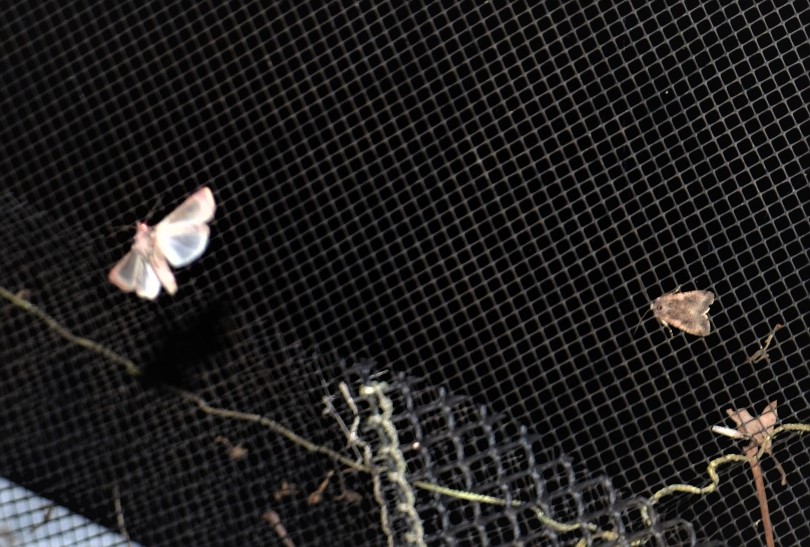
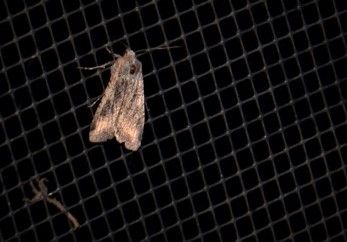
Ever wonder about bat’s pest control services? We see evidence every morning that bats are at work for us, all night long.
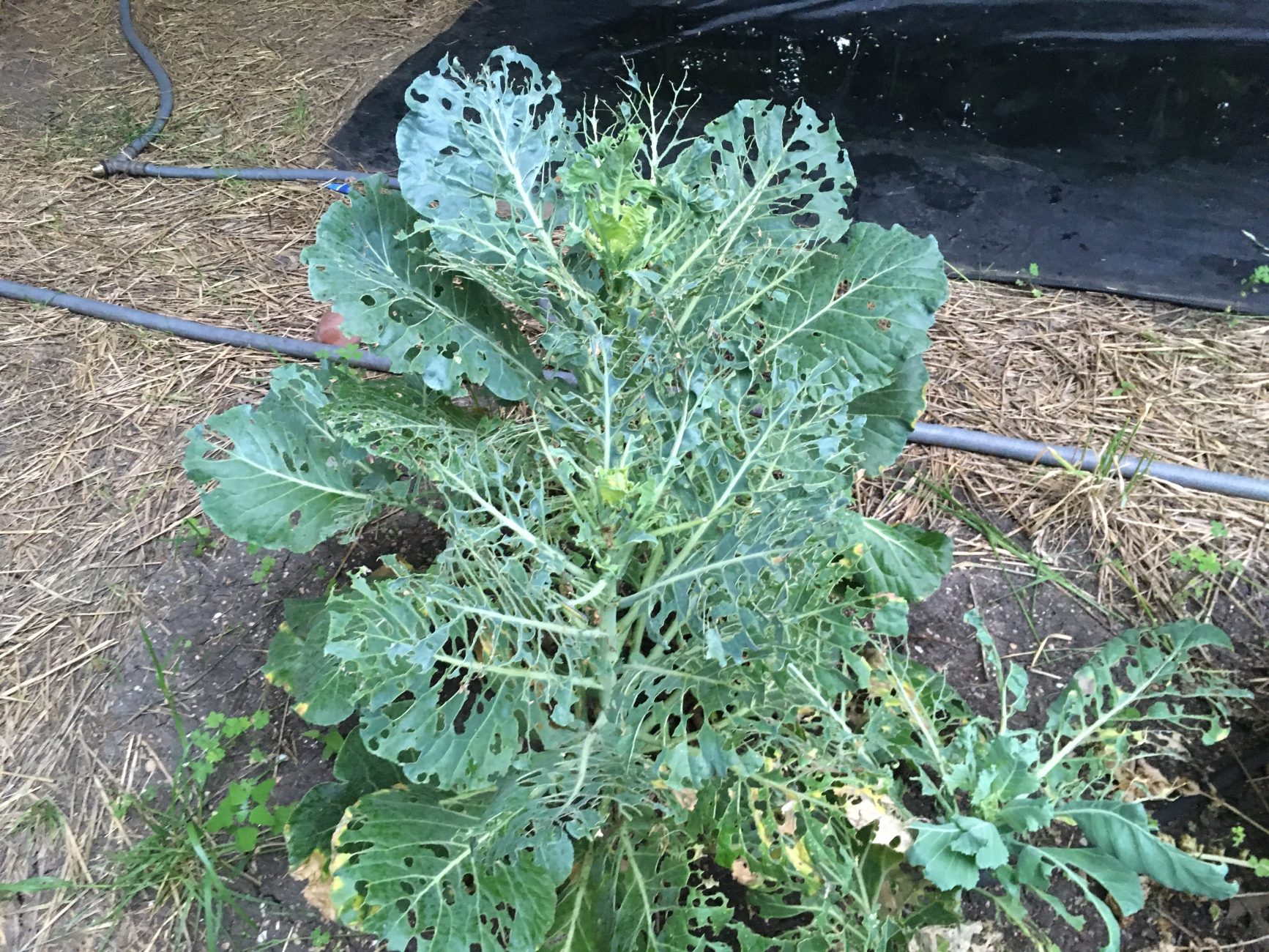
We grow crops to attract moths; the females lay their eggs on our brassicas such as collard greens, curly kale, swiss chard, and cabbage. We allow the larvae to eat all they want of the nutritious greens and they soon become moths. Without bats to balance the numbers of crop pests, our food crops would take a beating.
Collard greens moth nursery
The flight cage is full of moths nowadays and the rehabilitating bats are loving their hunting practice.
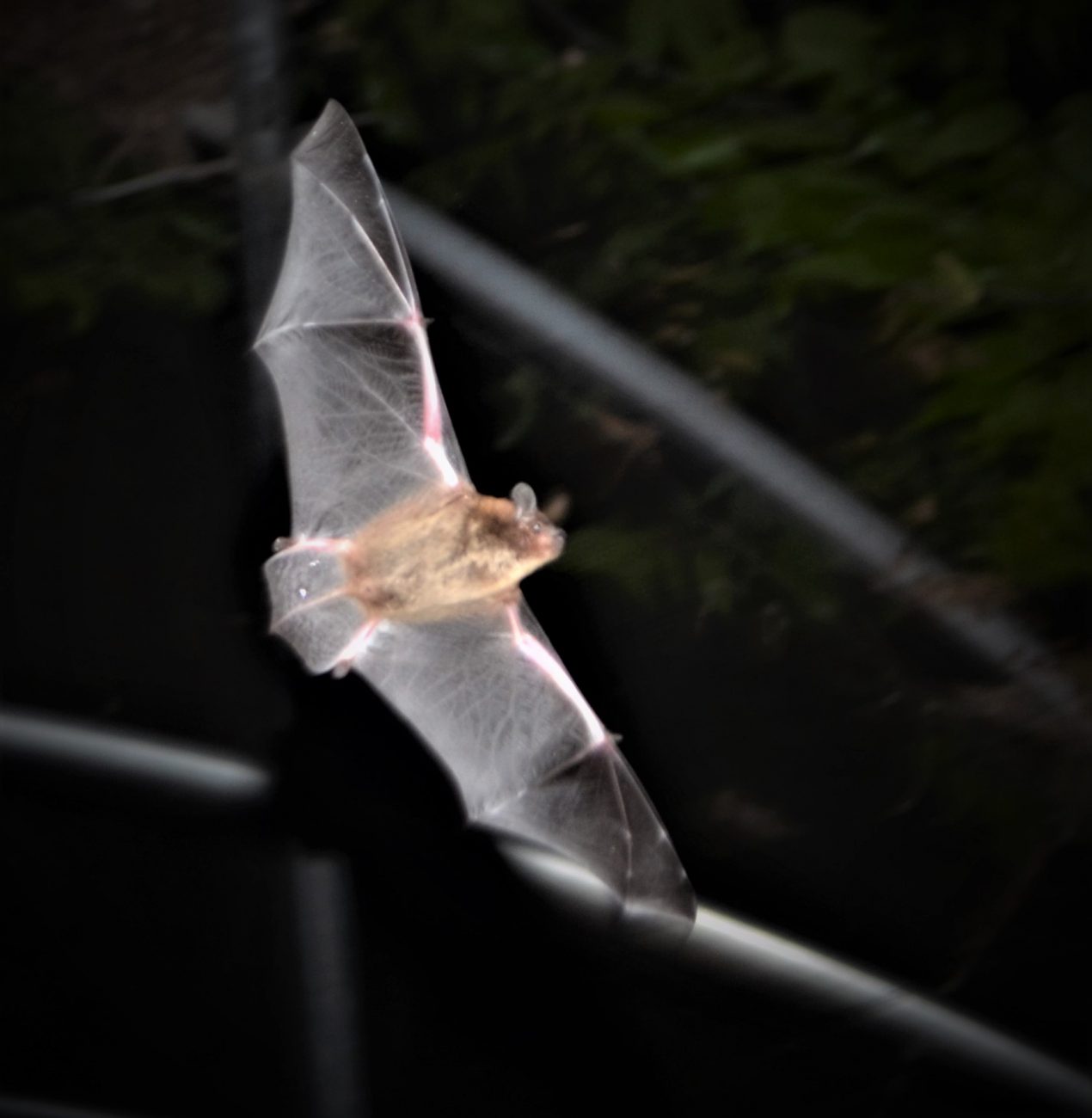
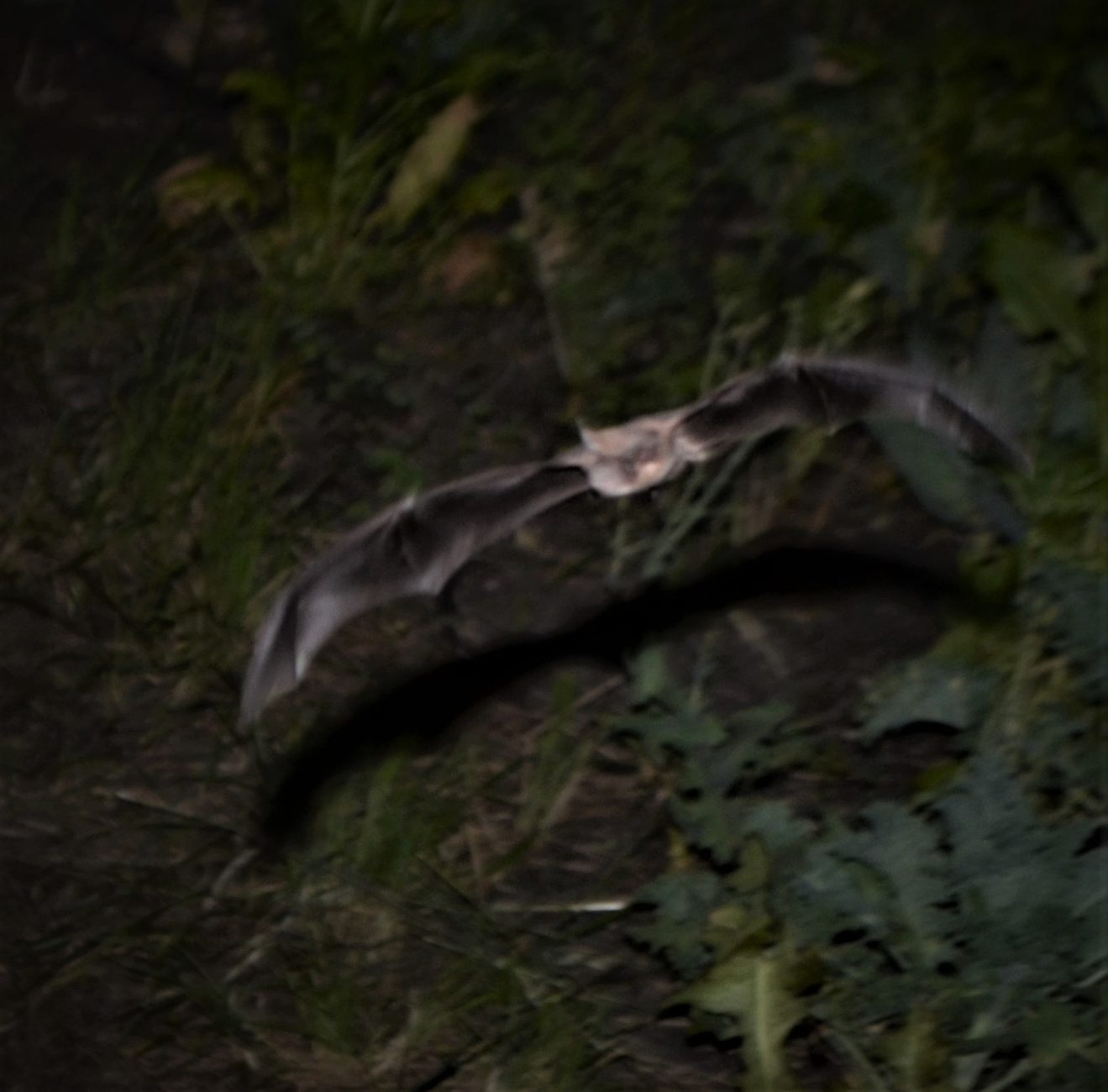
female evening bat on the huntYoung Mexican free-tailed bat skimming the crops
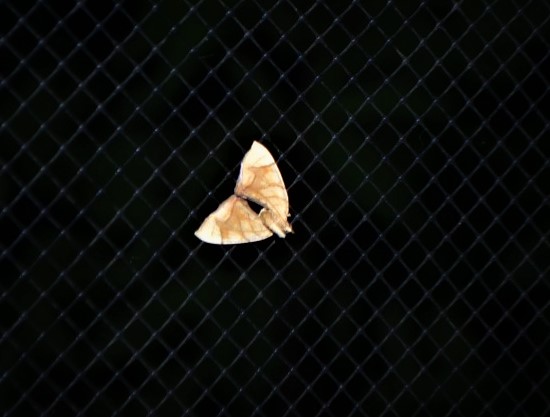
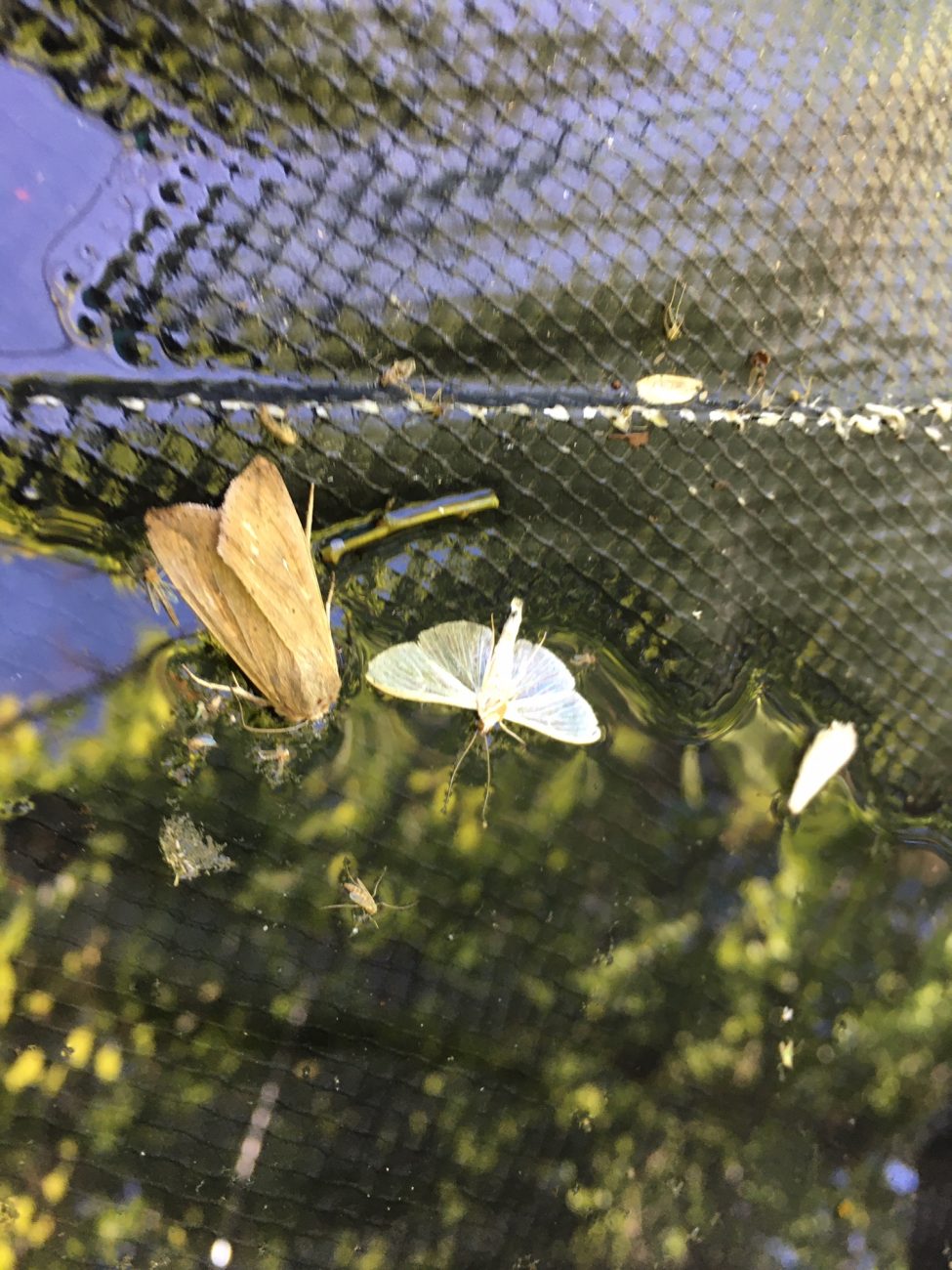
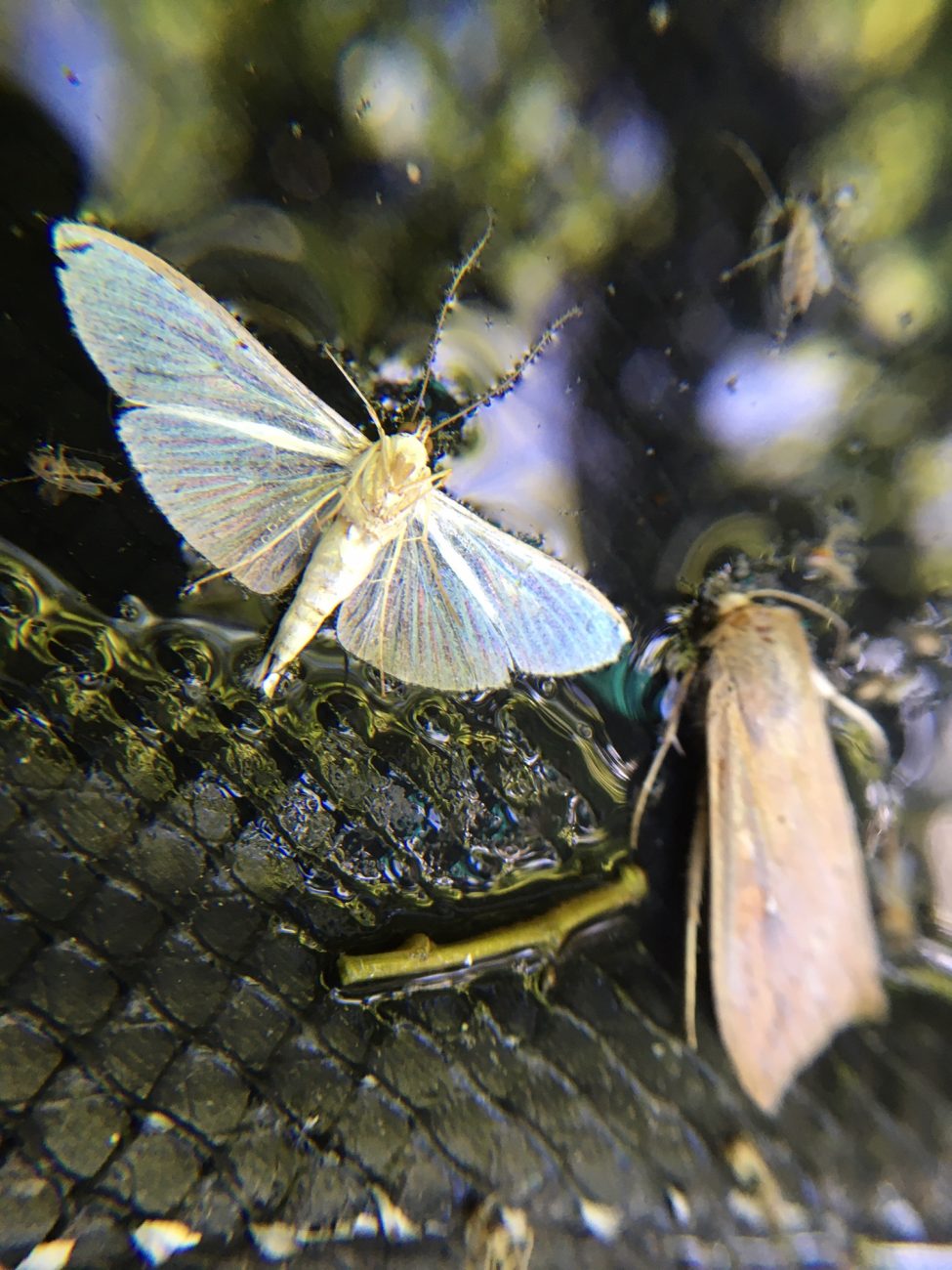
When moths hear echolocation of an approaching bat, millions of years of evolution kick in and they employ various defense mechanisms. In our aviary some fly erratically while others drop to the ground to evade the bats. Normally dropping works well as they hide in the grass, but in our fight cage they often drop into the bats’ drinking troughs. Each morning we go out to rescue the moths trapped by the surface tension of the water.
Live moths trapped by surface tension
https://youtu.be/ANhr4T_BNe0
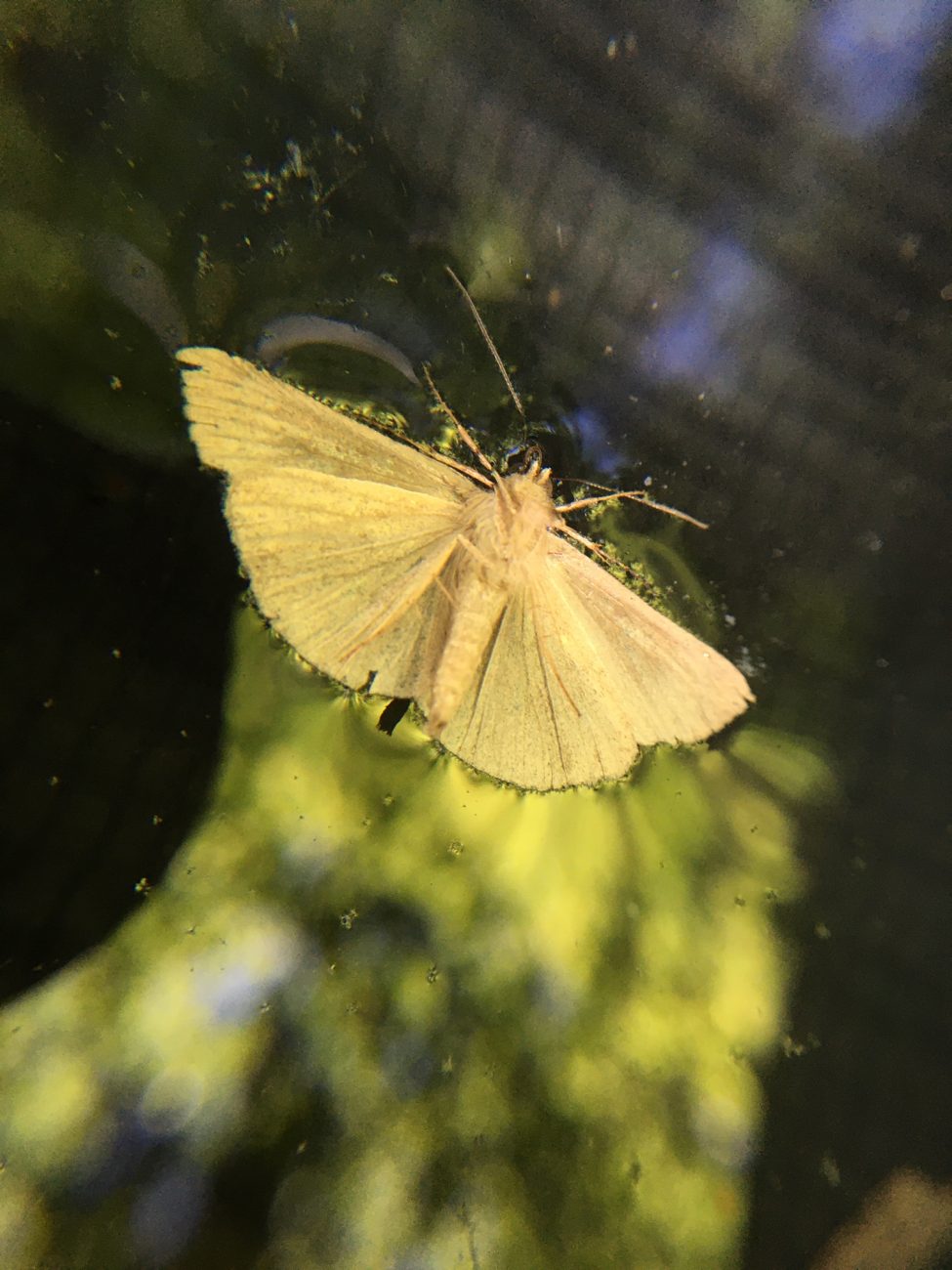
Morning moth lifeguard dutiesAll moths are extraordinary – some are exquisite
Soon the brassicas will have served their purpose. We’ve eaten lots this winter, but as the insects begin to ravage them in the spring, they form a bitter latex in their leaves that makes them unpalatable to the larvae, but also to us! Soon we will replace them with a cover crop, to fix nitrogen in the soil and protect the soil from the hot summer sun. And we’ll plant the winter garden again in the fall.
Roosting With Bats: Nature’s Most Misunderstood Mammal
By Dr. Tigga Kingston | Originally published April 17, 2020
Bats have earned an unwarranted reputation as disease spreaders since the Covid-19 outbreak. With April 17 marking World Bat Appreciation Day, Dr. Tigga Kingston sets out to provide the full picture on these misunderstood mammals.
It’s 7:20pm at the edge of the rainforest of Krau Wildlife Reserve in Peninsular Malaysia. Plaintive calls of nightjars herald the transition from day to night as silhouettes of bats flitter in the twilight.
Bats do not spread Covid-19 — you can only catch it from other people. SARS-CoV-2 is the virus that causes Covid-19. A related virus, RatG2013, was isolated from an intermediate horseshoe bat from China in 2013, leading to suggestions the bat virus jumped to people. Research shows this is extremely unlikely. The key part of the virus that enables it to infect people is not from bats — the closest match identified is from a pangolin.
What is becoming clear is that human activities are making viral spillover events more likely. Habitat disturbance stresses animals, making them more susceptible to viruses and more likely to produce high viral loads. Humans are encroaching on wildlife habitat and trading or consuming wildlife, increasing exposure opportunities.
Why Bats Matter
Bats provide enormous ecological and economic value worldwide. They are important pollinators and seed dispersers for hundreds of plants. Most famously, they are the key pollinator of durian — an 18 billion dollar industry. No bats means no durian.
The wrinkle-lipped free-tailed bat roosts in caves in the thousands and millions. One colony in Thailand of 2.6 million bats eats about four tonnes of plant-hoppers — a major rice pest — in a single night. Across Thailand this one species saves about 2,892 tonnes of rice annually.
Loss of habitat is a major challenge facing bats globally. About half of Southeast Asia’s bats roost in caves that are being lost to tourism disturbance, guano harvesting, and limestone quarrying for the cement industry. Intense hunting of large fruit bats is pushing many species toward extinction.
What Can We Do?
The solutions are familiar: habitats must be protected and restored, wildlife exploitation must stop, and the world’s ecosystems must be kept healthy. Creating buffers between human settlements and wildlife is essential for protecting both public and environmental health.
Bats are long-lived mammals — some species live more than 30 years — that typically give birth to only one pup per year. Their populations cannot withstand sustained disturbance or intense hunting. Every bat that survives is important.

 Dear Lee Mackenzie,